The US Senate has passed a landmark bill that empowers the President to impose massive tariffs on nations purchasing Russian oil and gas, potentially impacting major importers like India and China.
Key Takeaways
- The US Senate passed the Russia sanctions bill with a decisive 86-11 vote.
- The bill allows for 100% tariffs on the top 5 purchasers of Russian crude oil and gas.
- India, as the second-largest buyer of Russian oil, faces significant economic risk.
- The legislation also extends Iran sanctions through the year 2031.
WASHINGTON D.C.: In a major escalation of economic warfare, the United States Senate has passed a sweeping piece of legislation aimed at choking Russia's energy revenue. The bill, which received bipartisan support, targets nations that continue to purchase significant quantities of Russian oil and natural gas, providing a mechanism to impose tariffs as high as 100%.
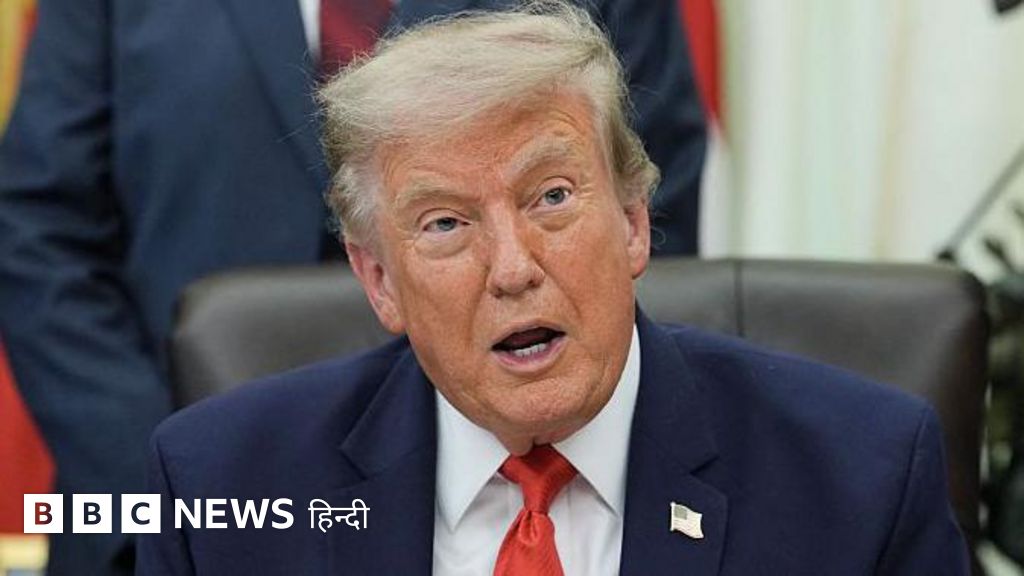
Spearheaded by Senator Darleen Graham, the bill passed with an overwhelming 86 votes in favor and only 11 against. While the legislation must still clear the House of Representatives, its passage in the Senate marks a critical shift in US foreign policy under the Donald Trump administration's approach to the Ukraine conflict.
Why This Matters
BozokMedia analysis shows that this move signals a departure from direct aid to Ukraine toward a strategy of aggressive economic coercion. By targeting the financiers of the Russian war machine, the US aims to hit Vladimir Putin where it hurts most: his economy. However, this strategy places major trading partners like India in a precarious position.
"This law will hit Putin where it hurts him the most." - Senator Darleen Graham
For India, the stakes are incredibly high. As the world's second-largest importer of Russian crude, Indian refineries could face crippling 100% tariffs if the administration decides to exercise its new powers. While China has reportedly received certain trade-related considerations to limit tension, India remains a primary target for potential punitive measures.
Potential Impact on Major Importers
| Country | Russian Energy Status | Risk Level |
|---|---|---|
| China | Largest Importer | Moderate (Trade tension limits) |
| India | Second Largest Importer | High (Potential 100% Tariff) |
| Hungary/Slovakia | European Importers | High (Sanction exposure) |
The bill also includes provisions to extend the 1996 Iran Sanctions Act until 2031, reinforcing secondary sanctions on non-US companies dealing with Tehran.
Frequently Asked Questions
1. Will tariffs be applied to India immediately?
No. The bill grants the President the authority to impose tariffs, but the actual implementation depends on executive decisions and specific exemptions.
2. What is the role of the House of Representatives?
The bill has passed the Senate but must now be passed by the House of Representatives to become law.