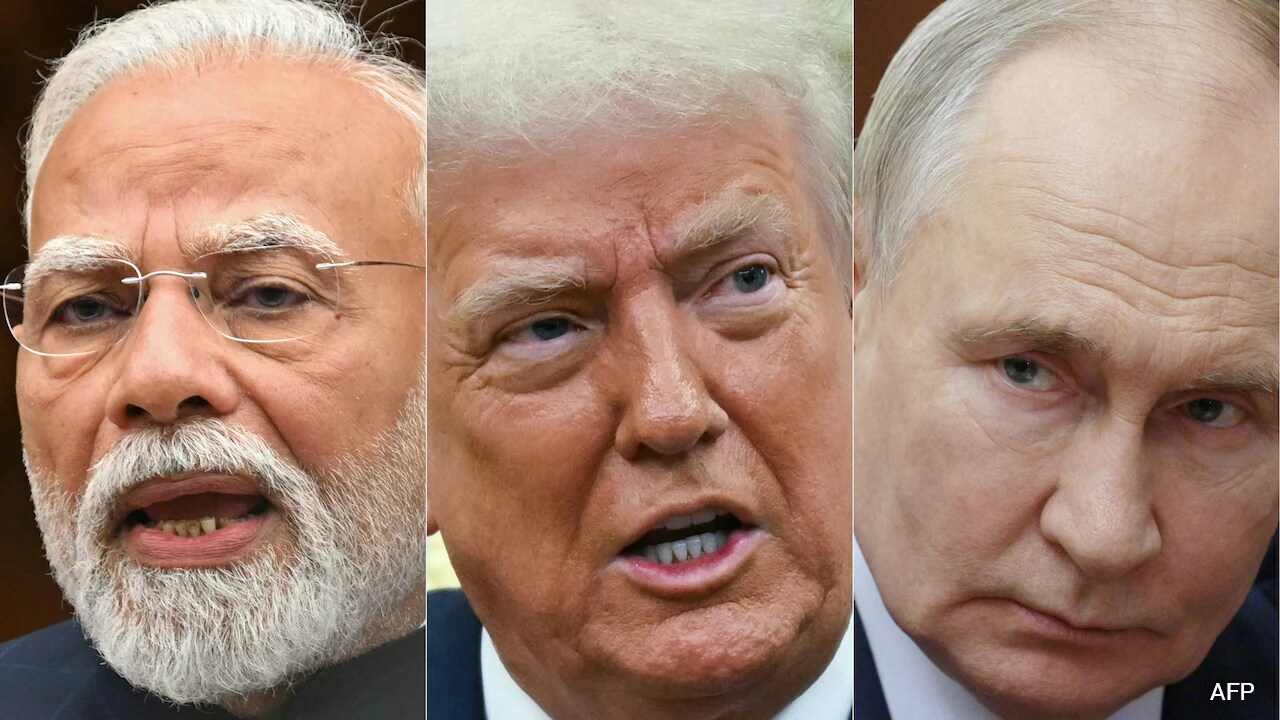
The US Senate has overwhelmingly passed a bill targeting Russia, raising the specter of 100% tariffs on major importers like India and China.
Key Takeaways
- The US Senate passed the Russia sanctions bill with an 86-11 vote.
- The bill is named in honor of Senator Lindsey Graham.
- India and China face potential 100% tariffs due to Russian oil/gas imports.
WASHINGTON D.C. — In a decisive move to tighten the noose around the Russian economy, the United States Senate has passed a sweeping sanctions bill. The legislation, passed with a commanding 86-11 vote, is named in honor of Republican Senator Lindsey Graham, a prominent and staunch supporter of Ukraine. This move signals a heightened level of aggression in Washington's foreign policy regarding the ongoing conflict.
Economic Fallout for India and China
The implications of this bill extend far beyond the borders of Russia. Because India and China are among the top five global importers of Russian oil and gas, they now find themselves in the crosshairs of American trade policy. There is a looming threat of 100% tariffs being imposed on goods from these nations if they continue to bolster the Russian energy sector.
Why This Matters
BozokMedia analysis shows that this legislative shift represents a move toward 'secondary sanctions,' where the US targets not just the primary aggressor, but also the nations that facilitate its economic survival. This could trigger a massive realignment of global trade corridors and energy dependencies.
The imposition of massive tariffs on major trading partners like India and China would represent a seismic shift in global geopolitical stability.
Historically, energy has been used as a tool of diplomacy and warfare. By targeting the importers of Russian energy, the US is attempting to isolate Russia completely from the global financial system, even at the risk of straining its own relationships with key strategic partners.
Frequently Asked Questions
1. Who is Lindsey Graham?
He is a US Senator and a leading voice in the Republican party, known for his strong pro-Ukraine stance.
2. How will this affect global oil prices?
If tariffs are applied, it could lead to trade wars, potentially causing volatility in global energy markets.