Nepal's ruling coalition faces a severe crisis as a bitter power struggle erupts between Kathmandu Mayor Balen Shah and RSP Chief Rabi Lamichhane. Amid rising unrest in the Tarai-Madhes region and demands for top-level resignations, the Himalayan nation's political stability hangs in the balance.
Key Takeaways
- Power struggle intensifies between Kathmandu Mayor Balen Shah and Rastriya Swatantra Party (RSP) chief Rabi Lamichhane.
- Opposition and ruling coalition MPs demand the resignation of key leaders over government failures and violence in Madhesh.
- The UML demands moral responsibility for recent civilian deaths during protests in Sunsari and Tarai-Madhes.
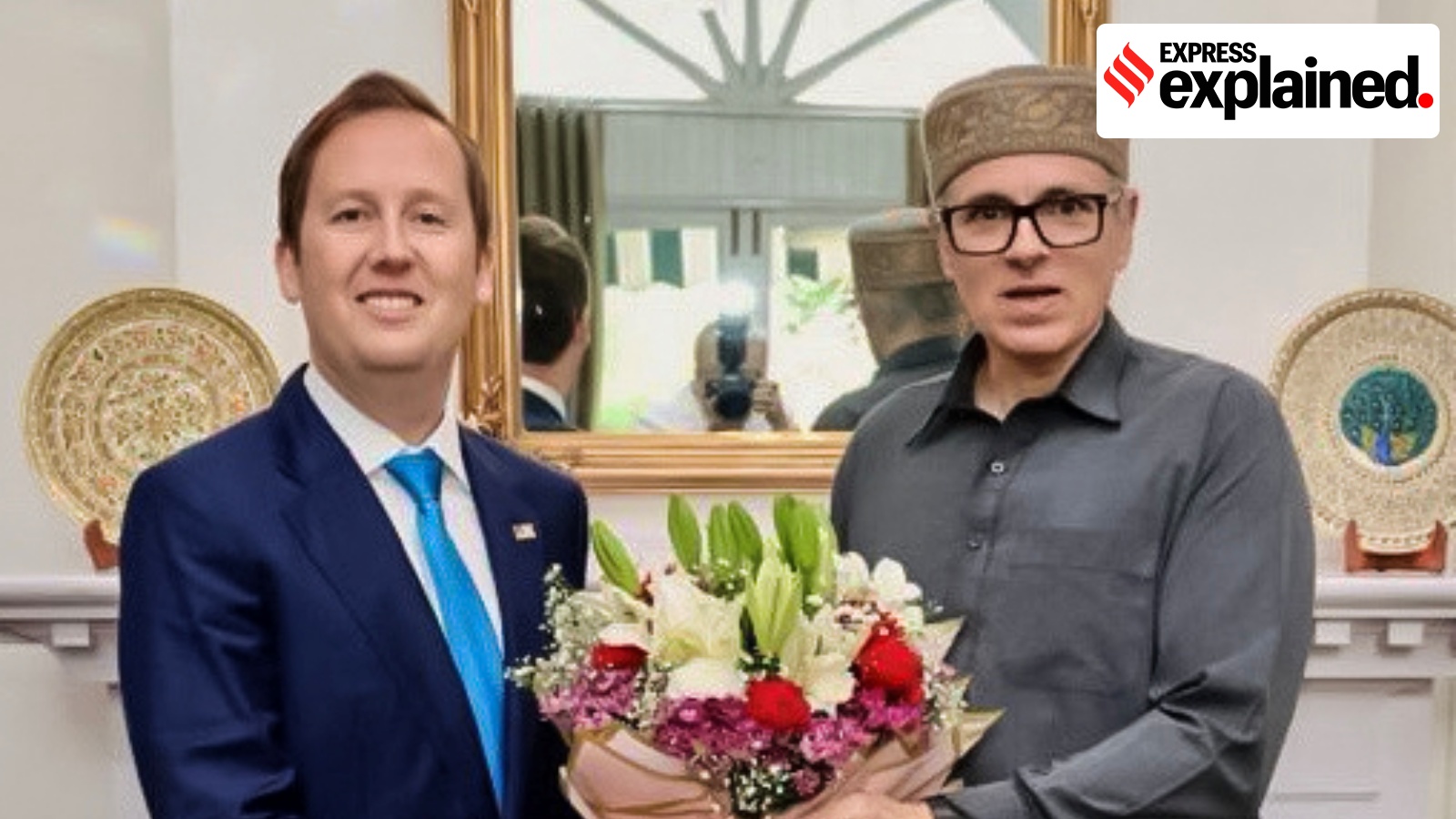
Nepal's political landscape is witnessing a dramatic escalation as the ruling Rastriya Swatantra Party (RSP) finds itself fractured by an internal power struggle. The friction between Kathmandu Mayor Balendra "Balen" Shah and RSP President Rabi Lamichhane has triggered a domino effect, threatening the fragile stability of the current coalition government. Both leaders, who command massive youth followings, are locked in a battle for political supremacy.
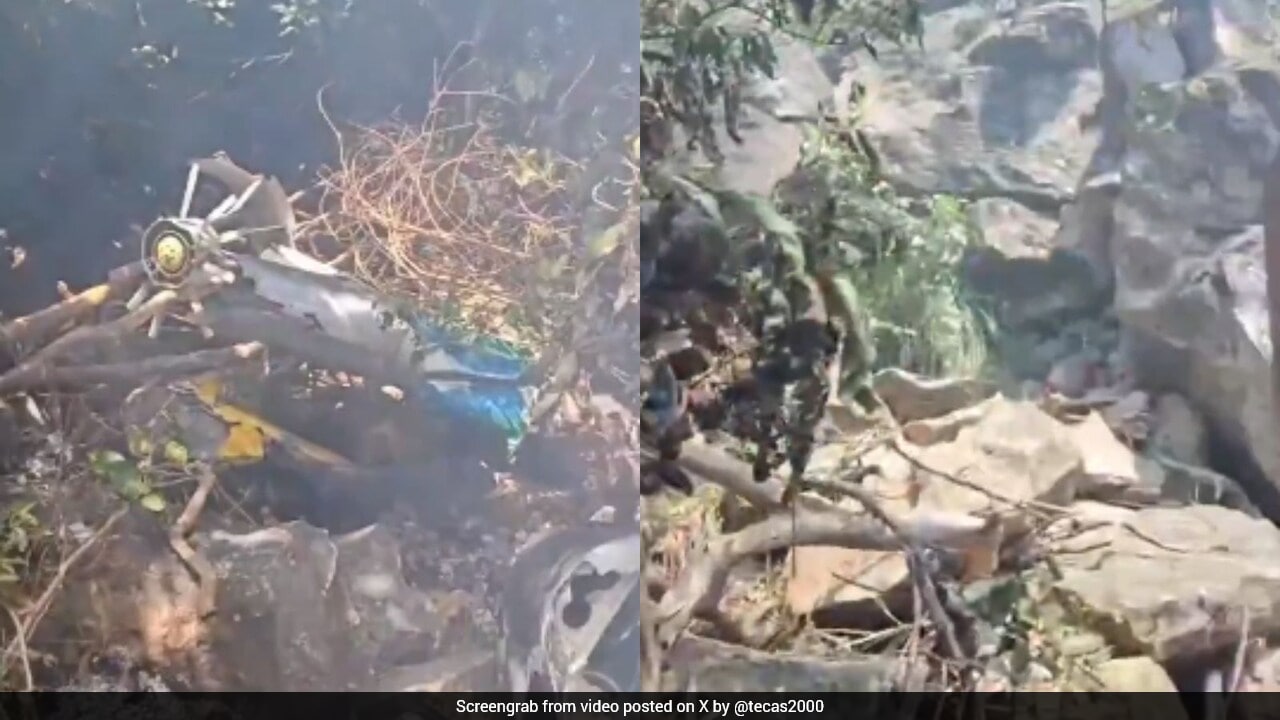
Beyond the internal party feud, the government is facing intense heat over recent violent clashes in Sunsari and the Tarai-Madhes belt. During a volatile House of Representatives (HoR) session, MP Yashoda Baral and other lawmakers openly demanded the resignation of top officials, including Home Minister Sudhan Gurung, citing systemic failure to maintain law and order.
Why This Matters
BozokMedia analysis shows that Nepal's political instability is no longer just an internal party matter but a threat to regional security and economic progress. The clash between populist leader Balen Shah and media-mogul-turned-politician Rabi Lamichhane represents a deeper ideological divide in Nepal's young federal democracy, where personal charisma often eclipses institutional policy.
Adding to the government's woes, MP Amresh Kumar Singh raised serious concerns in the parliament regarding the police's use of lethal force against protestors in Madhesh. The opposition party, CPN-UML, has strongly asserted that the government must take moral responsibility for the four tragic deaths recorded during the recent unrest. Political analysts warn that if these grievances are not addressed, it could lead to widespread civil unrest.
"The current crisis in Nepal highlights the volatile nature of its coalition politics, where personal ambitions frequently override institutional governance, leaving the public to bear the brunt of administrative paralysis."
| Feature | Balen Shah Faction | Rabi Lamichhane Faction |
|---|---|---|
| Core Support | Youth and urban voters | Party cadres and media networks |
| Political Stance | Anti-establishment & independent | Reform from within coalition government |
| Key Concern | Local autonomy & development | Party control & national governance |
Frequently Asked Questions
1. What triggered the current political crisis in Nepal?
The crisis was triggered by an internal power struggle within the ruling RSP between Balen Shah and Rabi Lamichhane, compounded by deadly clashes and governance failures in the Tarai-Madhes region.
2. What are the key demands of the opposition parties?
Opposition parties and several MPs are demanding the resignation of the Home Minister and other officials over police brutality and the deaths of four citizens during recent protests.