Iran has dismissed US President Donald Trump's assertions regarding total American control over the Strait of Hormuz. Tehran maintains that the strategic waterway will remain closed until its demands are met.
Key Takeaways
- Donald Trump described the US naval blockade in Hormuz as a 'Steel Wall.'
- Iran refuted the claims, stating US rhetoric does not change reality on the ground.
- Tehran demands unfreezing of assets and a ceasefire in Gaza and Lebanon.
- The Strait of Hormuz handles approximately 20% of global petroleum trade.
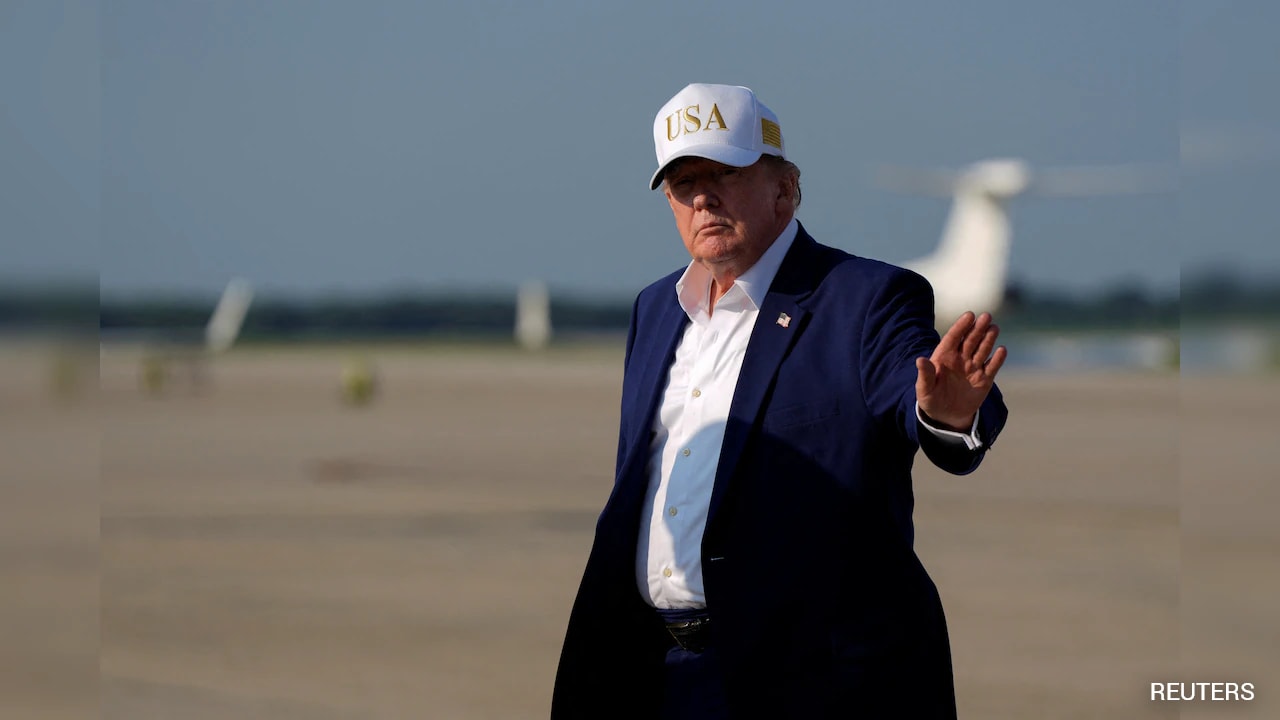
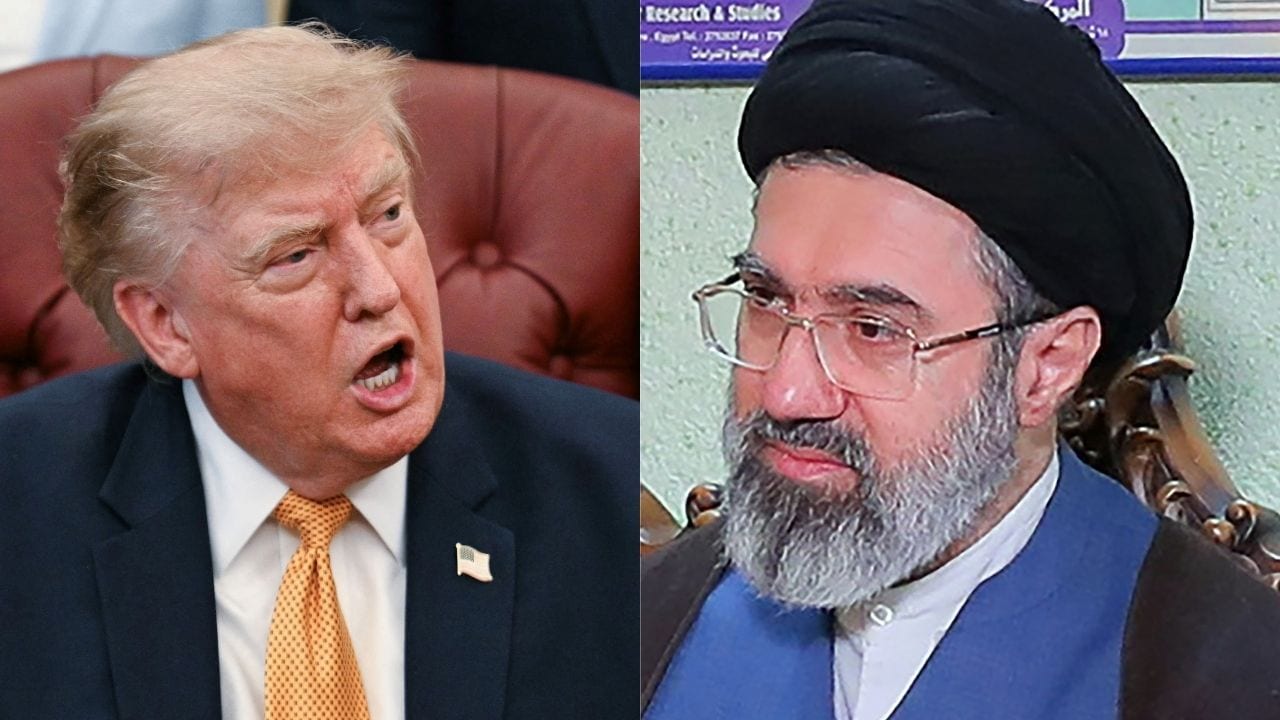
Tensions have escalated globally following US President Donald Trump's recent assertions regarding complete American dominance over the Strait of Hormuz. In a post on Truth Social, Trump characterized the US naval presence as a 'Steel Wall,' claiming that Iran's military infrastructure has been decimated and that the US maintains absolute control over the waterway.
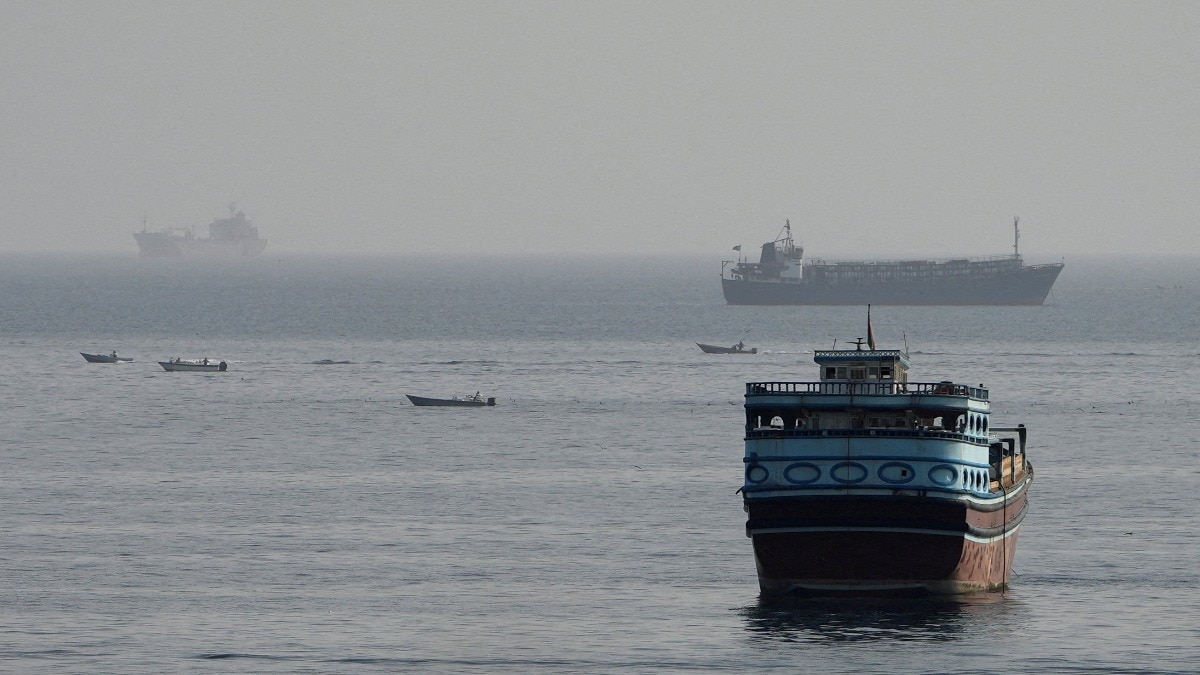
However, the Islamic Republic of Iran has vehemently rejected these claims. The Persian Gulf Strait Authority (PGSA) issued a sharp rebuttal on X (formerly Twitter), stating that repeated claims by US officials do not alter the physical reality. According to the authority, the strategic maritime route remains closed to international transit.
Why This Matters
BozokMedia analysis shows that this standoff is far more than a bilateral dispute; it is a critical threat to global energy security. As the Strait of Hormuz is a vital artery for the world economy, any prolonged closure or military escalation could trigger a massive spike in global crude oil prices and disrupt international shipping lanes.
The geopolitical stakes in the Strait of Hormuz are at an all-time high, turning a maritime route into a global economic flashpoint.
Mohsen Rezaee, head of Iran's Supreme National Security Council (SNSC), has laid out clear conditions for reopening the strait. Tehran demands that the US end the blockade, unfreeze Iranian assets, and agree to a comprehensive ceasefire in Lebanon and Gaza to stabilize the region.
Historical Background
The Strait of Hormuz has long been one of the most sensitive geopolitical chokepoints in the world. Located between Iran and Oman, it serves as the primary exit point for oil from the Persian Gulf. Throughout decades of tension between the US and Iran, control over this passage has been used as a significant tool of strategic leverage.
Frequently Asked Questions
1. What was Donald Trump's claim regarding Hormuz?
Trump claimed that the US has total control over the Strait of Hormuz and described the naval blockade as an impenetrable 'Steel Wall.'
2. What are Iran's demands to reopen the waterway?
Iran demands the end of the blockade, the unfreezing of its assets, and a regional ceasefire involving Gaza and Lebanon.