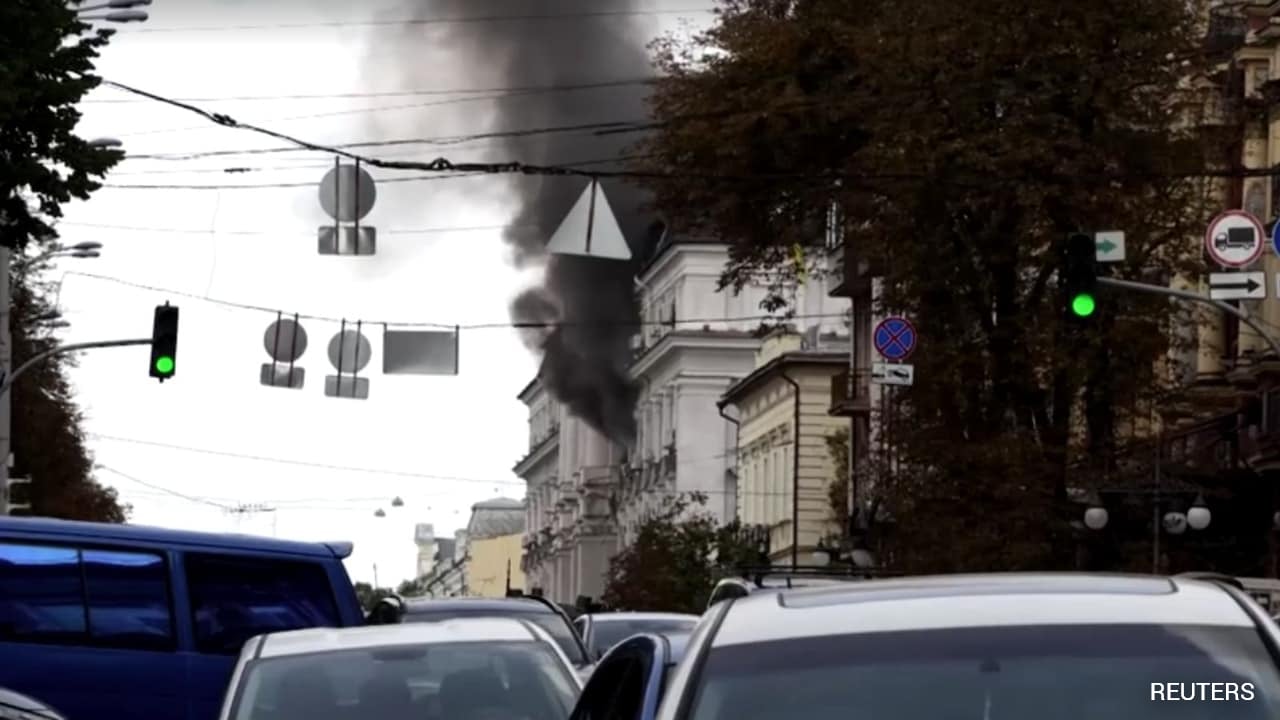
Israel has launched a series of targeted strikes in southern Lebanon, eliminating a senior Hezbollah commander while the United States prepares new sanctions against Iran, signaling a dangerous escalation in regional instability.
- Israeli military targeted a senior Hezbollah commander in Deir Al-Zahrani, southern Lebanon.
- The US is preparing fresh sanctions against Iran to curb its regional influence.
- UNIFIL has warned that civilians are bearing the brunt of the escalating military stakes.
The geopolitical landscape of the Middle East has entered a volatile phase as Israel intensified its aerial campaign against Hezbollah strongholds in southern Lebanon. The Israeli Defense Forces (IDF) confirmed the successful elimination of a high-ranking Hezbollah commander during a precision strike in the town of Deir Al-Zahrani. This operation is part of a broader strategy to degrade the operational capabilities of the militant group and push back its infrastructure away from the Israeli border.
Simultaneously, the international dimension of the conflict is deepening. Reports indicate that the United States is finalizing a new package of sanctions aimed at Iran, the primary benefactor of Hezbollah. These sanctions are designed to choke the financial pipelines that fuel the proxy war in Lebanon, though analysts warn that economic pressure often leads to more aggressive tactical responses on the ground.
Why This Matters
BozokMedia analysis shows that the synchronization of Israeli kinetic strikes and US economic warfare suggests a coordinated effort to isolate Tehran. However, the risk of a full-scale regional war remains high, as Hezbollah has repeatedly vowed to retaliate for the loss of its senior leadership. The strategic depth of this conflict now extends beyond local border skirmishes to a global power struggle involving nuclear-armed states and superpower diplomacy.
The current escalation represents a shift from containment to active degradation of proxy networks, risking a systemic collapse of the fragile Lebanese state.
The humanitarian cost of these operations has drawn sharp criticism from international bodies. UNIFIL (United Nations Interim Force in Lebanon) has issued a stark warning, stating that civilians are paying the heaviest price as the Israeli military raises the stakes. Displaced families and damaged civilian infrastructure in southern Lebanon have highlighted the precarious nature of the current military engagement.
Historical Background
The friction between Israel and Hezbollah is rooted in decades of territorial disputes and ideological warfare, exacerbated by the 2006 Lebanon War. Hezbollah's strategic positioning along the "Blue Line" has historically made southern Lebanon a flashpoint. The current escalation is further complicated by the ongoing Gaza conflict, which has turned the northern border into a secondary front of attrition.
| Entity | Current Strategy | Primary Goal |
|---|---|---|
| Israel | Targeted Kinetic Strikes | Neutralize Hezbollah Leadership |
| USA | Economic Sanctions | Isolate Iran Financially |
| Hezbollah | Asymmetric Warfare | Pressure Israel via Border Raids |
Frequently Asked Questions
Q1: Who was targeted in the Deir Al-Zahrani strike?
A: The Israeli military targeted and killed a senior commander of Hezbollah, aimed at disrupting the group's command and control.
Q2: How is the US responding to the Iran-Israel tension?
A: The US is preparing fresh sanctions against Iran to limit its ability to fund and arm regional proxies like Hezbollah.