Despite the loss of 18 US service members and rising global fuel prices, President Donald Trump has minimized the ongoing military engagement with Iran, calling it 'small potatoes.'
- President Trump characterized the Iran conflict as 'small potatoes' during an Oval Office event.
- The ongoing military engagement has resulted in the deaths of 18 US service members.
- Global energy prices have spiked significantly due to the instability in the Middle East.
- The administration is facing legal scrutiny for bypassing Congressional war authorization.
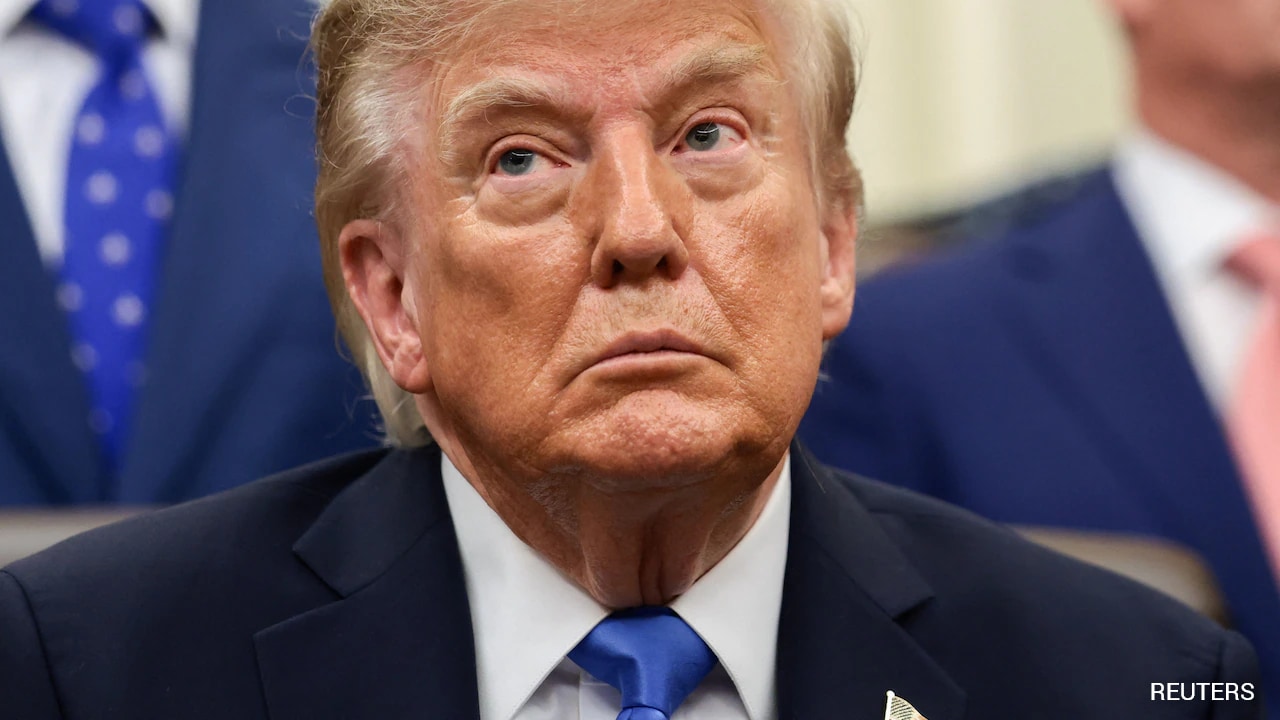
As the military tension between the United States, Israel, and Iran enters its seventh month, President Donald Trump has taken a controversial stance by downplaying the severity of the conflict. Speaking to reporters in the Oval Office on Friday, the President described the ongoing military engagement as 'small potatoes,' a term used to suggest the conflict is insignificant.
Trump attempted to contextualize the conflict by comparing it to previous US military operations, specifically the mission to apprehend Venezuelan President Nicolas Maduro. He noted that while the Venezuela operation resulted in no US casualties, the current friction with Iran has claimed the lives of 18 US service members. Despite this human cost, Trump opted to label the situation a 'military conflict' rather than a 'war.'
Why This Matters
BozokMedia analysis shows that the administration's choice of language—using terms like 'skirmish,' 'detour,' and 'excursion'—is likely a calculated legal maneuver. Under the US Constitution, only Congress has the power to formally declare war. By avoiding the 'W-word,' the Trump administration seeks to bypass the need for Congressional authorization, a move that has already triggered a symbolic War Powers Resolution in both chambers of Congress.
The administration's semantic shift from 'war' to 'military conflict' is a strategic attempt to mitigate domestic political fallout ahead of the November midterms.
The economic implications are equally stark. The instability has caused a surge in global energy markets. In the United States, the American Automobile Association (AAA) reports that average fuel prices have risen by nearly a dollar per gallon compared to the previous year. Trump, however, maintains that the US holds strong control over the Hormuz Strait, ensuring that the economic impact remains manageable.
Historical Background
The current escalation began on February 28, 2026, following a series of strikes and retaliatory actions. The conflict has seen significant targeting of Iranian infrastructure, including the Natanz uranium enrichment facility. Tensions reached a boiling point recently when Iran targeted US military bases across the Middle East, while the US faced accusations of striking a wedding celebration in the coastal city of Sirik.
Frequently Asked Questions
1. Why is the Trump administration avoiding the term 'war'?
Legal experts suggest that avoiding the term 'war' helps the administration avoid the constitutional requirement of obtaining formal authorization from Congress.
2. How has the Iran conflict affected US citizens?
The primary impact on US citizens has been the rise in fuel prices, which have increased significantly due to global energy market volatility.