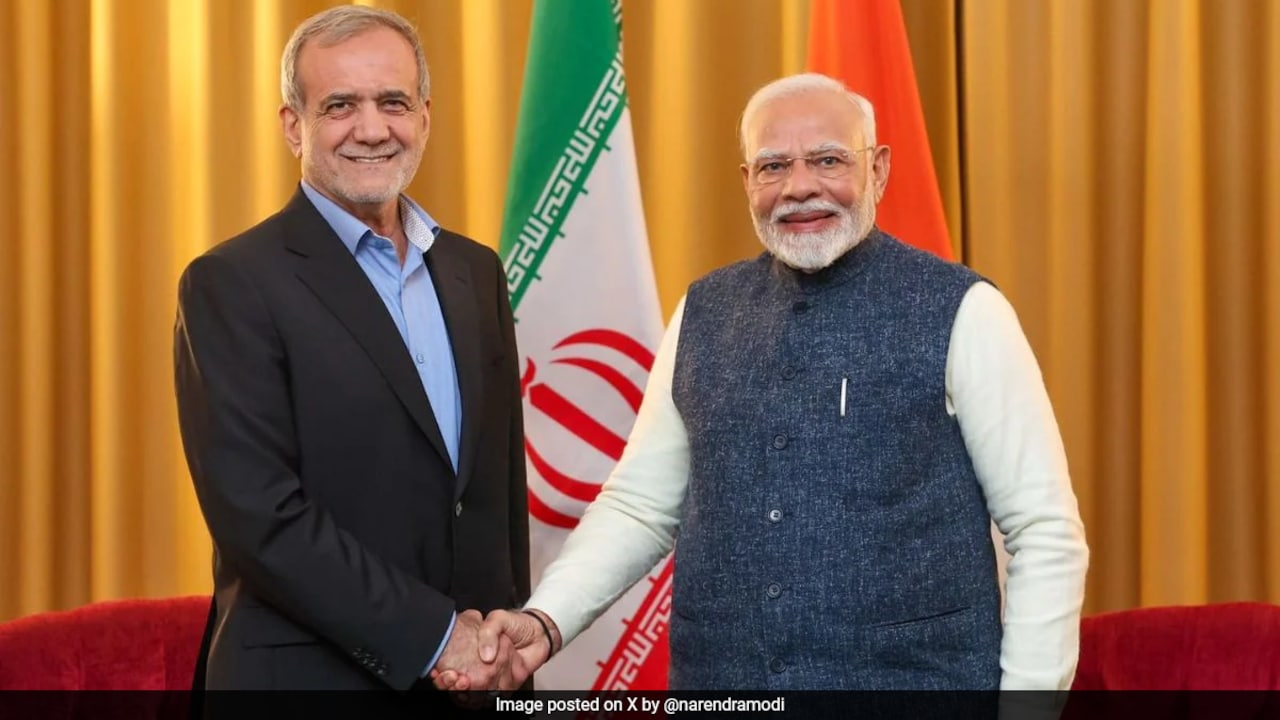
On Korean Liberation Day, North Korean leader Kim Jong Un and Russian President Vladimir Putin reaffirmed their bilateral partnership. Both pledged to deepen strategic cooperation across economic and security domains.
Key Takeaways
- Kim Jong Un and Vladimir Putin reiterated their alliance during the ceremony.
- Russia and North Korea promised expanded economic, technological, and security collaboration.
- The move signals a shift in Asia‑Pacific geopolitical dynamics.
Celebrating Korean Liberation Day on August 15, North Korean supreme leader Kim Jong Un met with Russian President Vladimir Putin in a high‑profile event. Both leaders described their partnership as "unbreakable" and pledged to broaden cooperation in the coming years.
During the joint statement, Kim emphasized that the economic and security ties between the two nations are "mutually beneficial," while Putin reiterated Russia’s support for North Korea’s "sovereignty and independence." The declarations highlight a growing diplomatic and military rapport amid shifting global alliances.
Analysts note that this reaffirmation underscores Russia’s expanding role in the Asia‑Pacific, especially as it navigates heightened tensions with Western powers post‑Ukraine. For North Korea, Russian backing could help mitigate its international isolation.
Historical Background
Russia‑North Korea relations trace back to the 1950s when the Soviet Union supplied troops and equipment during the Korean War. After the Cold War, ties fluctuated, but the 2000s saw renewed cooperation in energy and defense sectors.
Why This Matters
BozokMedia analysis shows that this renewed commitment could reshape power balances in the Asia‑Pacific, influencing policy decisions at the United Nations and other multilateral forums.
"Kim and Putin’s meeting makes clear that both countries see each other’s strategic needs as complementary," said senior international‑relations scholar Dr. Ajay Sharma.
Frequently Asked Questions
Question 1: Will this partnership increase security tensions in the Asia‑Pacific?
Answer: Experts believe it could alter regional power dynamics, but actual impact will depend on broader geopolitical developments.
Question 2: What economic projects might emerge from deeper Russia‑North Korea ties?
Answer: Potential growth areas include energy, infrastructure, and technology investments as both seek alternative international partners.