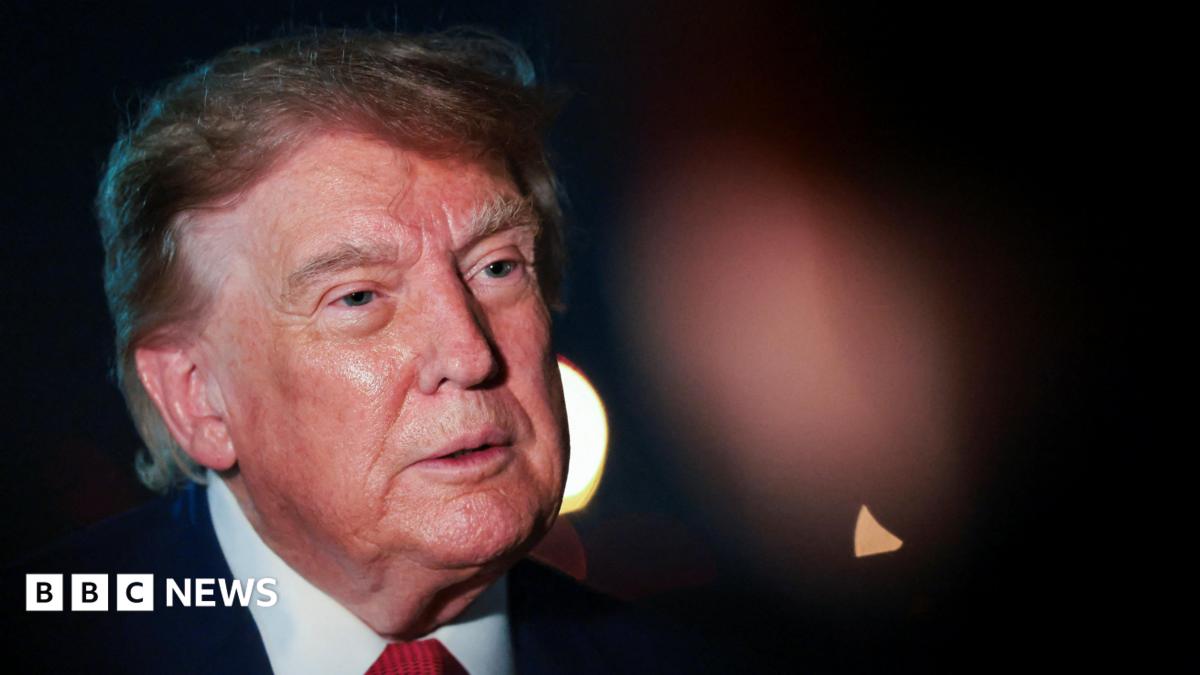
Turkish President Recep Tayyip Erdogan has urged the immediate reopening of the Strait of Hormuz to stabilize global oil flows. He emphasized that both Turkey and Iran support maintaining the strategic waterway despite US-Iran tensions.
Key Takeaways
- President Erdogan has called for the reopening of the Strait of Hormuz to secure global oil supplies.
- Both Turkey and Iran support the continued movement of oil through this vital waterway.
- The call comes amidst heightened geopolitical tensions between the US and Iran.
Turkish President Recep Tayyip Erdogan has issued a significant call to action regarding global energy security, demanding the reopening of the Strait of Hormuz. As disruptions in oil supplies threaten to destabilize markets, Erdogan stressed that the uninterrupted flow of oil is essential for the global economy.
The President highlighted a rare point of alignment, noting that both Turkey and Iran support keeping the strategic waterway operational. This comes at a critical time when the strait remains a central flashpoint in the ongoing tensions between the United States and Iran.
Why This Matters
BozokMedia analysis shows that any prolonged closure or restriction in the Strait of Hormuz could trigger a massive spike in global crude oil prices, leading to widespread inflation and economic instability across continents.
The stability of the Strait of Hormuz is not just a regional concern, but a fundamental pillar of global energy security.
Historical Background
The Strait of Hormuz has long been one of the world's most sensitive maritime chokepoints. Due to its location, it has frequently been used as leverage in geopolitical conflicts, particularly involving Iran's influence in the Persian Gulf and its interactions with Western powers.
Frequently Asked Questions
1. Why is the Strait of Hormuz critical?
It is the most important oil transit chokepoint in the world, connecting major oil producers to global markets.
2. What is Turkey's stance?
Turkey aims to ensure energy stability by advocating for the free flow of oil, regardless of political friction.