The Afghanistan Embassy in Delhi marked the fifth anniversary of the Taliban's return to power. While the regime projects stability, the UN and rights groups warn of a deepening humanitarian and gender-based crisis.
- The Afghanistan Embassy in Delhi hosted a 'Victory Day' event to mark five years of Taliban rule.
- M. Anand Prakash, Joint Secretary (PAI) of India's Ministry of External Affairs, attended the event.
- UN officials warn of an escalating rights crisis, particularly regarding the restriction of women.
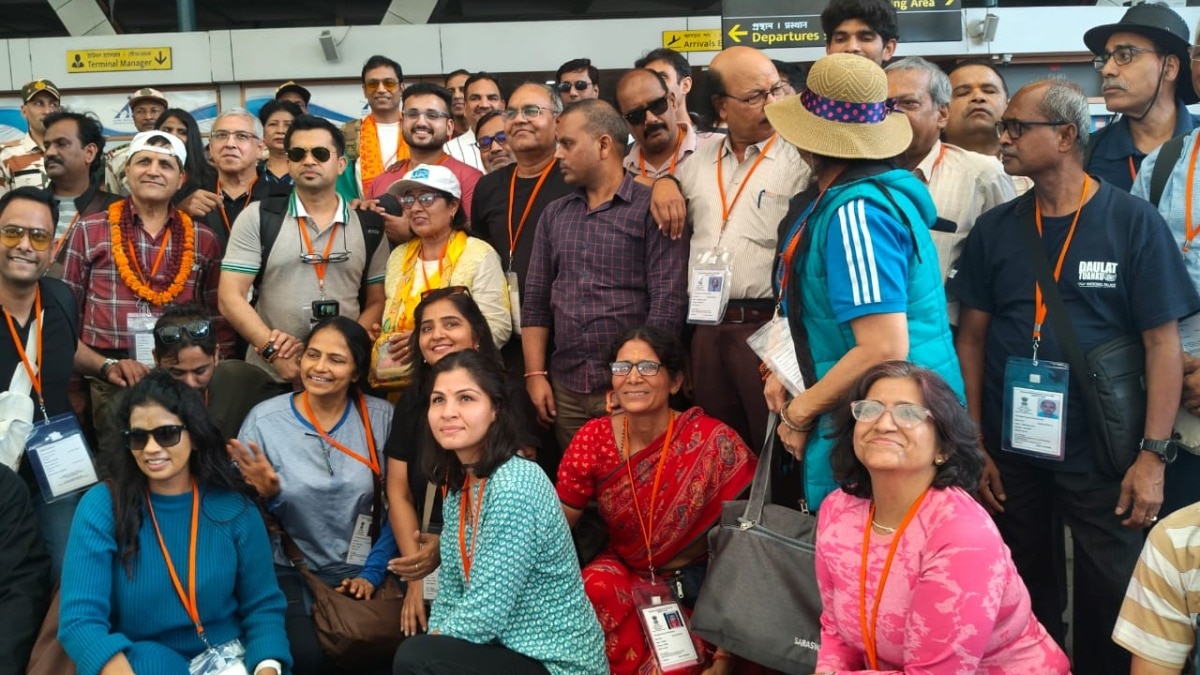
In a significant diplomatic gesture, the Afghanistan Embassy in Delhi celebrated the fifth anniversary of 'Victory Day' on Monday, August 17, 2026. The event commemorated the Taliban administration's five-year tenure in power, marking a transition from a militant insurgency to a governing body in Kabul.
The celebrations were attended by high-ranking officials, including Dr. Ikramuddin Kamil, Consul General of Afghanistan in Mumbai, and Mufti Noor Ahmed Noor, CDA of the Afghan Embassy. Notably, M. Anand Prakash, the Joint Secretary for the Pakistan, Afghanistan, and Iran (PAI) Division in India's Ministry of External Affairs, was present, highlighting the nuanced diplomatic engagement between New Delhi and the de facto authorities in Kabul.
Why This Matters
BozokMedia analysis shows that the Taliban are aggressively utilizing their diplomatic missions to project an image of stability and legitimacy. By hosting such events in a major capital like New Delhi, the regime aims to signal that it is the sole legitimate authority of Afghanistan, despite the lack of formal recognition from most of the international community.
The celebration of 'Victory Day' in foreign embassies is a calculated move to normalize the Taliban's presence in the global diplomatic sphere.
Historically, the Taliban seized power on August 15, 2021, following the withdrawal of U.S. and NATO forces after two decades of conflict. While the regime celebrates this as a liberation, the subsequent five years have been fraught with challenges. The country has faced severe droughts, earthquakes, and a collapsing economy.
International organizations and the United Nations have repeatedly warned that the Taliban have failed to address these humanitarian crises. The crisis is compounded by the regime's systemic erasure of women from public life, including bans on secondary and tertiary education, which has drawn condemnation from across the globe.
Taliban Regime: Narrative vs. Reality
| Metric | Regime Narrative | International Reports |
|---|---|---|
| Governance | Stability and Order | Fragile state with humanitarian gaps |
| Human Rights | Islamic Sharia Law | Severe restrictions on women/girls |
| Diplomacy | Seeking Global Recognition | Isolated due to rights violations |
Frequently Asked Questions
1. Does India officially recognize the Taliban government?
India maintains a pragmatic relationship for security and humanitarian reasons but has not granted formal diplomatic recognition to the Taliban government.
2. Why is the UN concerned about the Taliban's five-year rule?
The UN is primarily concerned with the severe restrictions on women's rights and the inability of the regime to manage the ongoing humanitarian disaster.