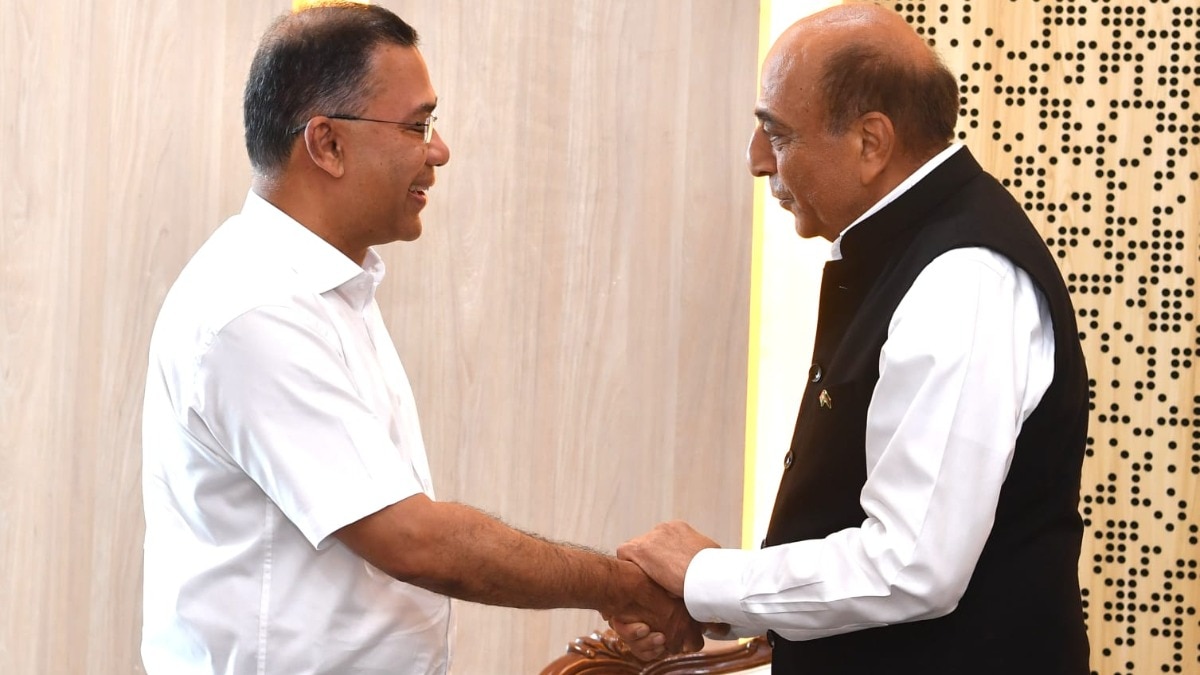
India's High Commissioner to Dhaka, Dinesh Trivedi, has admitted to existing differences and conflicting logics between India and Bangladesh, while expressing optimism that dialogue will restore stability.
- High Commissioner Dinesh Trivedi admitted that both nations have distinct logics and differences.
- Uncertainty looms over PM Tarique Rahman's visit to India for the BRICS summit.
- The demand for Sheikh Hasina's extradition remains a core point of contention.
- Both nations emphasize the need for a 'conducive atmosphere' for diplomatic breakthroughs.
Diplomatic relations between India and Bangladesh have faced significant turbulence recently. Speaking at a welcome dinner in Dhaka, India's High Commissioner Dinesh Trivedi candidly acknowledged that differences are inevitable between two sovereign nations. He emphasized that both countries require their own space to pursue national interests and that in a democracy, dialogue is the primary tool for conflict resolution.
This admission comes at a critical juncture as the proposed visit of Bangladesh's Prime Minister Tarique Rahman to India remains uncertain. The BRICS Summit, scheduled for September 12-13 in New Delhi, is the intended occasion for the visit. However, the Bangladeshi government has insisted that India must create the 'right atmosphere' before PM Rahman commits to the trip.
Why This Matters
BozokMedia analysis shows that the current friction is a direct result of the political upheaval in Dhaka. The demand for the extradition of ousted Prime Minister Sheikh Hasina has turned into a diplomatic deadlock. The shift from the Hasina administration to the current leadership has forced New Delhi to recalibrate its neighborhood-first policy to accommodate a more assertive Dhaka.
"The transition of power in Bangladesh has shifted the diplomatic gravity, requiring India to move from a relationship of patronage to one of mutual sovereign respect."
High Commissioner Trivedi noted that India and Bangladesh share more than just a border; they share a "dream." While acknowledging the challenges, he expressed hope that PM Rahman's visit would happen "very soon." Meanwhile, A K M Shahidul Karim, spokesperson for the Bangladesh Foreign Ministry, noted that while officials have been in contact for weeks, the success of any meeting between PM Modi and PM Rahman depends on the prevailing public sentiment.
Further straining ties was a virtual media interaction by Sheikh Hasina from New Delhi on August 5. The Bangladesh government viewed this event as an affront to its sovereignty and an insult to the emotions of its people, which has adversely affected bilateral improvement efforts.
Frequently Asked Questions
Q1: What is the primary cause of current tensions between India and Bangladesh?
The primary friction stems from the demand for Sheikh Hasina's extradition and disagreements over recent diplomatic events.
Q2: Why is PM Tarique Rahman's visit to India uncertain?
The Bangladeshi government believes that a 'conducive atmosphere' must be established first to ensure the visit leads to meaningful outcomes.