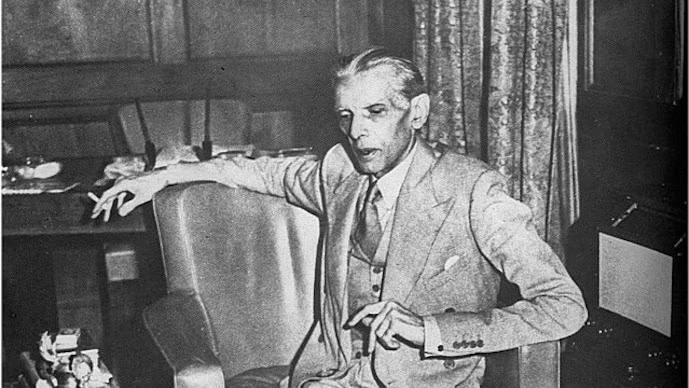
Pakistan has approved the Nishan-e-Imtiaz for two Mumbai-based Parsi doctors who maintained strict professional confidentiality regarding Muhammad Ali Jinnah's terminal tuberculosis during the Partition era.
- Dr. Jal Ratanji Patel and Dr. Jal Dhaybho-Koo nominated for the Nishan-e-Imtiaz.
- The doctors kept Jinnah's advanced tuberculosis a secret during the 1947 Partition.
- Historians suggest the secrecy prevented a potential delay in Pakistan's creation.
In a move that bridges historical medical ethics and geopolitical legacy, Pakistan has approved the Nishan-e-Imtiaz, its highest civilian honor, for two Indian Parsi doctors from Bombay (now Mumbai). Dr. Jal Ratanji Patel and radiologist Dr. Jal Dhaybho-Koo are being recognized for their "quiet but extraordinary service" in guarding the secret of Muhammad Ali Jinnah's terminal illness at a pivotal moment in history.
Muhammad Ali Jinnah, the founder of Pakistan, had been suffering from tuberculosis since the 1930s. At the time, TB was a lethal disease with no effective antibiotic treatments. To prevent any damage to his political standing and leadership during the delicate negotiations for the creation of Pakistan, Jinnah's health was kept strictly confidential, known only to a tiny inner circle including his sister, Fatima Jinnah.
Why This Matters
BozokMedia analysis shows that this recognition underscores how professional medical confidentiality can inadvertently steer the course of nations. The secrecy surrounding Jinnah's health ensured that his political authority remained unchallenged during the Partition talks. Had the British or the Indian National Congress known the truth, the power dynamics of 1947 would have shifted drastically.
"Their fidelity to their professional oath inadvertently became a significant contribution to the circumstances that made the creation of Pakistan possible." - Ahsan Iqbal, Minister for Planning.
According to historian Akbar Ahmed, Jinnah had been complaining of severe physical and nervous strain since 1938. His condition was exacerbated by a heavy smoking habit, reportedly consuming up to 50 cigarettes a day and Cuban cigars, all while maintaining a grueling political schedule.
In 1946, Dr. Patel and Dr. Dhaybho-Koo examined Jinnah's X-rays and concluded that the tuberculosis had progressed to a terminal stage, leaving him with perhaps only a year or two to live. Despite the gravity of the diagnosis, the doctors maintained absolute silence, adhering to their professional oath.
| Detail | Historical Fact |
|---|---|
| Medical Condition | Pulmonary Tuberculosis |
| Doctors Involved | Dr. Jal Ratanji Patel & Dr. Jal Dhaybho-Koo |
| Critical Period | 1946-1948 (Partition Era) |
| Award Granted | Nishan-e-Imtiaz |
The implications of this secrecy were profound. Lord Mountbatten later remarked that had he known about Jinnah's failing health, he would have delayed the grant of independence by several months, potentially altering the existence of Pakistan. Jinnah eventually passed away on September 11, 1948, shortly after the birth of the nation he envisioned.
Frequently Asked Questions
1. What is the Nishan-e-Imtiaz?
It is the highest civilian award given by the Government of Pakistan for distinguished services.
2. When will the awards be conferred?
The awards are scheduled to be formally conferred during a ceremony in March 2027.

