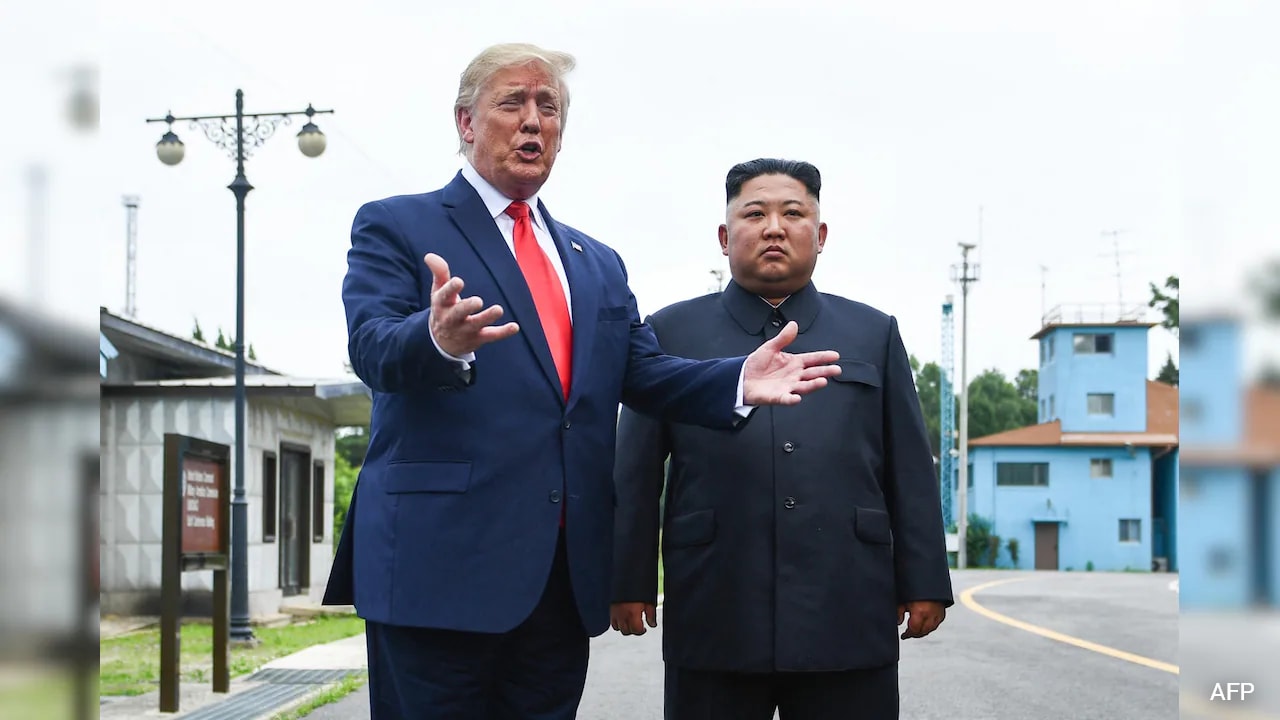
In a major policy pivot, President Donald Trump has directed the Pentagon to reduce the scale of joint military exercises with South Korea, signaling a shift in U.S. defense strategy in Asia.
- President Trump has ordered the Pentagon to downscale joint military drills with South Korea.
- The move aligns with the administration's focus on reducing foreign military expenditures.
- This decision could reshape the security landscape in the Indo-Pacific region.
In a move that has sent ripples through the international defense community, President Donald Trump has issued orders to the Pentagon to scale back the scope and frequency of joint military exercises conducted with South Korea. This directive marks a significant departure from long-standing U.S. military engagement patterns in East Asia.
According to defense officials, the decision is part of a broader effort to re-evaluate the cost-effectiveness of overseas military operations. The Trump administration has consistently emphasized that allies should bear a greater share of the financial burden for collective security, a principle that directly influences this new directive regarding the South Korean alliance.
Why This Matters
BozokMedia analysis shows that this decision is not merely about cost-cutting but represents a fundamental shift in how the United States views its role as a regional security guarantor. Reducing joint maneuvers could impact the perceived readiness and deterrent capability against North Korean provocations.
Scaling back these exercises may inadvertently create a security vacuum in the Indo-Pacific.
The geopolitical implications are vast. As China expands its influence in the region, the strength of the U.S.-South Korea alliance serves as a cornerstone of regional stability. A reduction in visible military cooperation could be interpreted by regional actors as a signal of diminishing American commitment.
Historical Background
Since the end of the Korean War in 1953, the military alliance between the United States and South Korea has been one of the most robust in the world. Regular joint exercises have served as a vital component of the Mutual Defense Treaty, designed to deter aggression from North Korea and maintain a balance of power in Northeast Asia.
Frequently Asked Questions
1. What is the primary reason for this order?
The primary driver appears to be a desire to reduce military spending and re-evaluate the costs of maintaining large-scale joint operations.
2. How will South Korea react?
The South Korean government is expected to seek high-level discussions to ensure that security remains uncompromised despite the reduction in exercises.