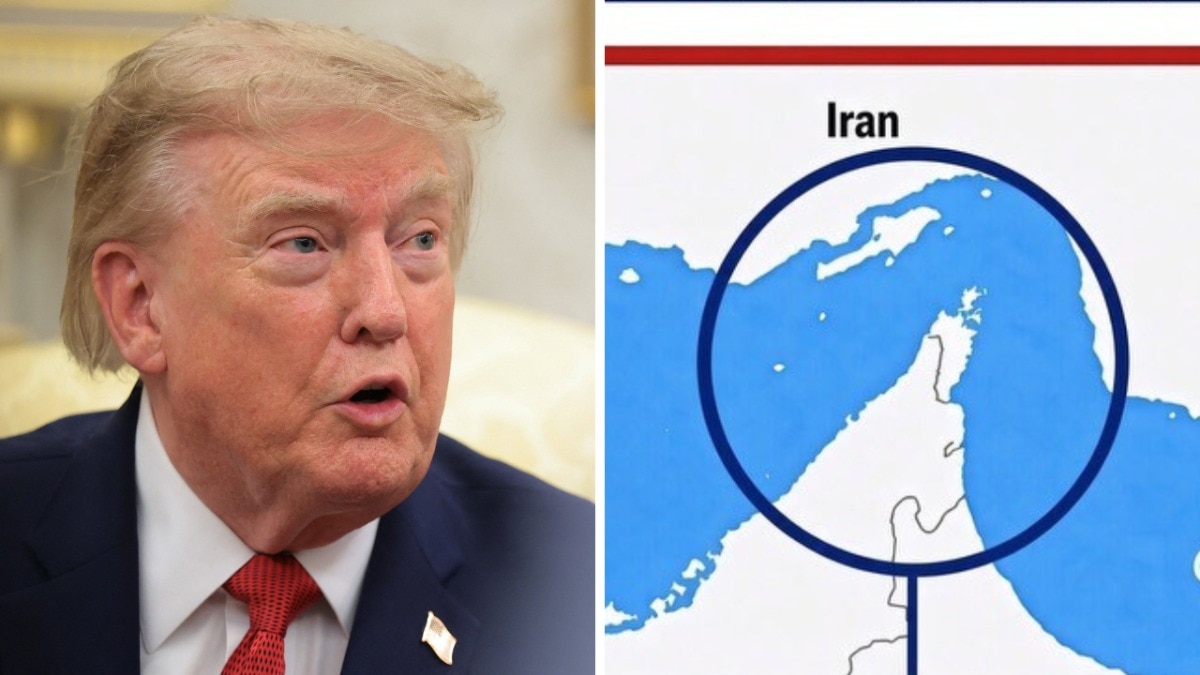
U.S. President Donald Trump has issued a severe warning to Oman, threatening military action if the nation interferes with U.S.-Iran peace negotiations regarding the critical Strait of Hormuz.
- President Trump threatened to bomb Oman if it obstructs U.S. talks with Iran.
- Oman is currently acting as a neutral mediator between Washington and Tehran.
- The Strait of Hormuz is a vital global artery for oil and LNG supplies.
In a move that has sent shockwaves through international diplomatic circles, U.S. President Donald Trump has threatened to bomb Oman if the nation "gets in the way" of ongoing peace negotiations between the United States and Iran. The threat specifically concerns the management and control of the Strait of Hormuz, a maritime chokepoint of immense strategic and economic importance.
Speaking to Fox News on Monday, Trump claimed his administration had established a backchannel to the Islamic Revolutionary Guard Corps (IRGC). However, the IRGC spokesperson vehemently denied these claims, labeling Trump's assertions as "fantasies" born of "defeat and desperation." This friction underscores the deep mistrust that continues to plague the region despite attempts at de-escalation.
Why This Matters
BozokMedia analysis shows that this escalation poses a direct threat to global energy security. The Strait of Hormuz facilitates the passage of approximately one-fifth of the world's oil and liquefied natural gas (LNG). Any military intervention in these waters could trigger an unprecedented spike in global crude oil prices, potentially pushing Brent crude well beyond the $120 mark seen earlier in the conflict.
Trump's aggressive rhetoric shifts the paradigm from traditional diplomacy to a policy of coercion, placing even long-standing allies like Oman in the line of fire.
This is not an isolated incident. Trump previously issued similar warnings in May, stating that Oman must behave according to international maritime standards or face military consequences. The U.S. State Department has previously validated these hardline stances, indicating a consistent administration policy aimed at maintaining absolute control over the strait's shipping routes.
Currently, Oman is attempting to facilitate a joint mechanism with Iran to manage maritime traffic. Iranian officials, including Foreign Ministry spokesperson Esmaeil Baghaei, have stated that they are working toward a declaration that safeguards the sovereign rights of both littoral states while ensuring commercial passage. This move by Tehran is seen as an attempt to bypass direct U.S. involvement.
Frequently Asked Questions
1. Why is Oman involved in the U.S.-Iran conflict?
Oman serves as a neutral mediator and its territorial waters are adjacent to the Strait of Hormuz, making it central to any regional maritime agreement.
2. How does this affect global oil prices?
Conflict in the Strait threatens to disrupt the supply of 20% of the world's oil, which would lead to immediate and massive increases in energy costs globally.
| Stakeholder | Primary Objective |
|---|---|
| United States | Dominance over the Strait and containment of Iran. |
| Oman | Neutrality and regional stability through mediation. |
| Iran | Sovereignty and lifting of economic sanctions. |