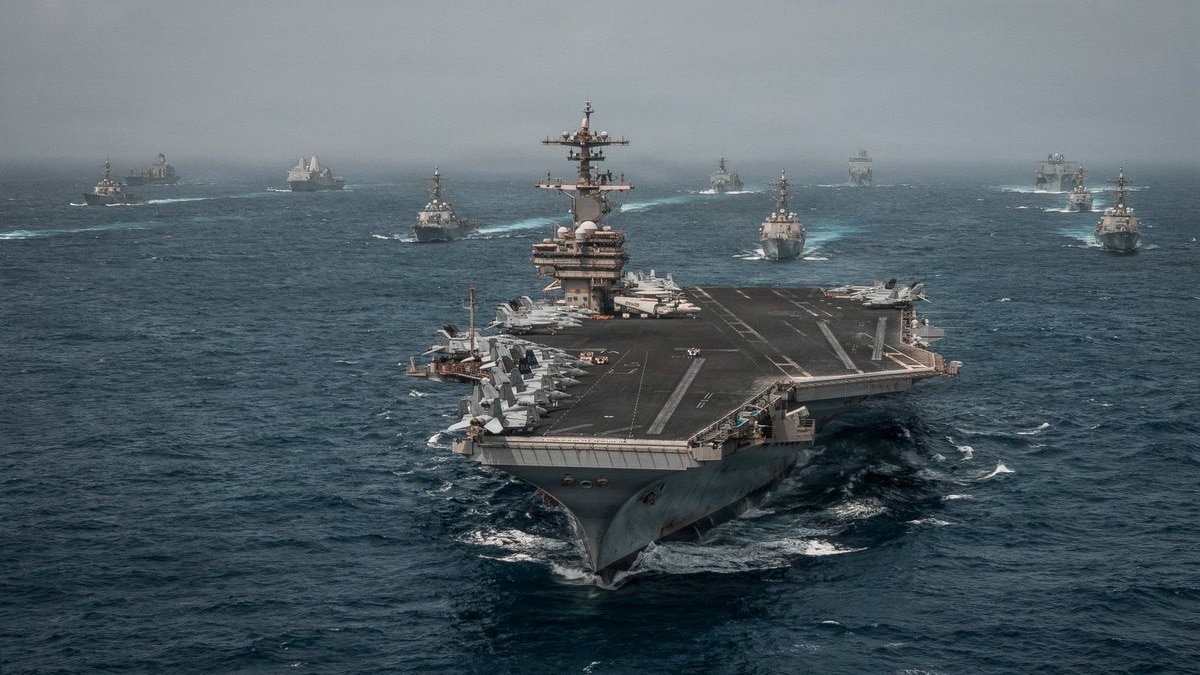
Following damage to military facilities during the conflict with Iran, the US Department of Defense is exploring a reduction in its Persian Gulf presence. Amidst conflicting claims over the Strait of Hormuz, tensions remain at an all-time high.
- The US Defense Department is evaluating a reduction in military presence in the Persian Gulf.
- Potential relocation of troops to Jordan and Israel is under consideration.
- President Trump denies ongoing negotiations with Iran, asserting the Strait of Hormuz remains open.
- Iran insists on meeting interim deal conditions before reopening maritime routes.
- UAE reported two Iranian ballistic missiles targeting maritime traffic.
According to a report by The Washington Post, the US Defense Department is weighing a significant reduction in its military footprint in the Persian Gulf. This decision follows substantial damage sustained by US bases and facilities during the ongoing conflict with Iran. The crisis is being viewed by analysts as a "once-in-a-generation chance" for Washington to rethink its long-term strategic positioning in the Middle East.
Strategic options currently on the table include shifting military assets and personnel further west to locations such as Jordan and Israel. It is worth noting that American refueling aircraft have already been stationed in Israel throughout the conflict period.
Why This Matters
BozokMedia analysis shows that any shift in US military posture in the Gulf could trigger a massive ripple effect in global energy markets. A withdrawal or relocation could create a power vacuum, potentially emboldening regional adversaries and complicating the security of international shipping lanes.
The intersection of military damage and strategic reassessment suggests the US is entering a new phase of Middle East diplomacy.
The political landscape remains volatile. President Donald Trump stated via Truth Social that no formal talks are currently scheduled with the Islamic Republic of Iran, maintaining that the naval blockade is in effect and the Strait of Hormuz remains operational. However, these claims stand in stark contrast to the position of Tehran. Iranian negotiator Mohammad Baqer Qalibaf has maintained that the waterway will remain closed until Washington fulfills the terms of the June interim deal, including lifting oil sanctions and unfreezing Iranian assets.
Adding to the volatility, the United Arab Emirates (UAE) recently detected two ballistic missiles launched from Iran. While the UAE Defence Ministry confirmed that the missiles fell into the sea and were likely targeting maritime traffic, the incident has heightened fears of a full-scale maritime escalation. The expiration of a 60-day peace-talk window without a breakthrough has left the region on edge.
Frequently Asked Questions
1. Why is the US considering a troop pullback?
The decision is driven by the need to reassess the military footprint following damage to facilities during the conflict with Iran.
2. What are Iran's demands to reopen the Strait?
Iran demands the removal of oil sanctions, the lifting of port blockades, and the unfreezing of its international assets.
