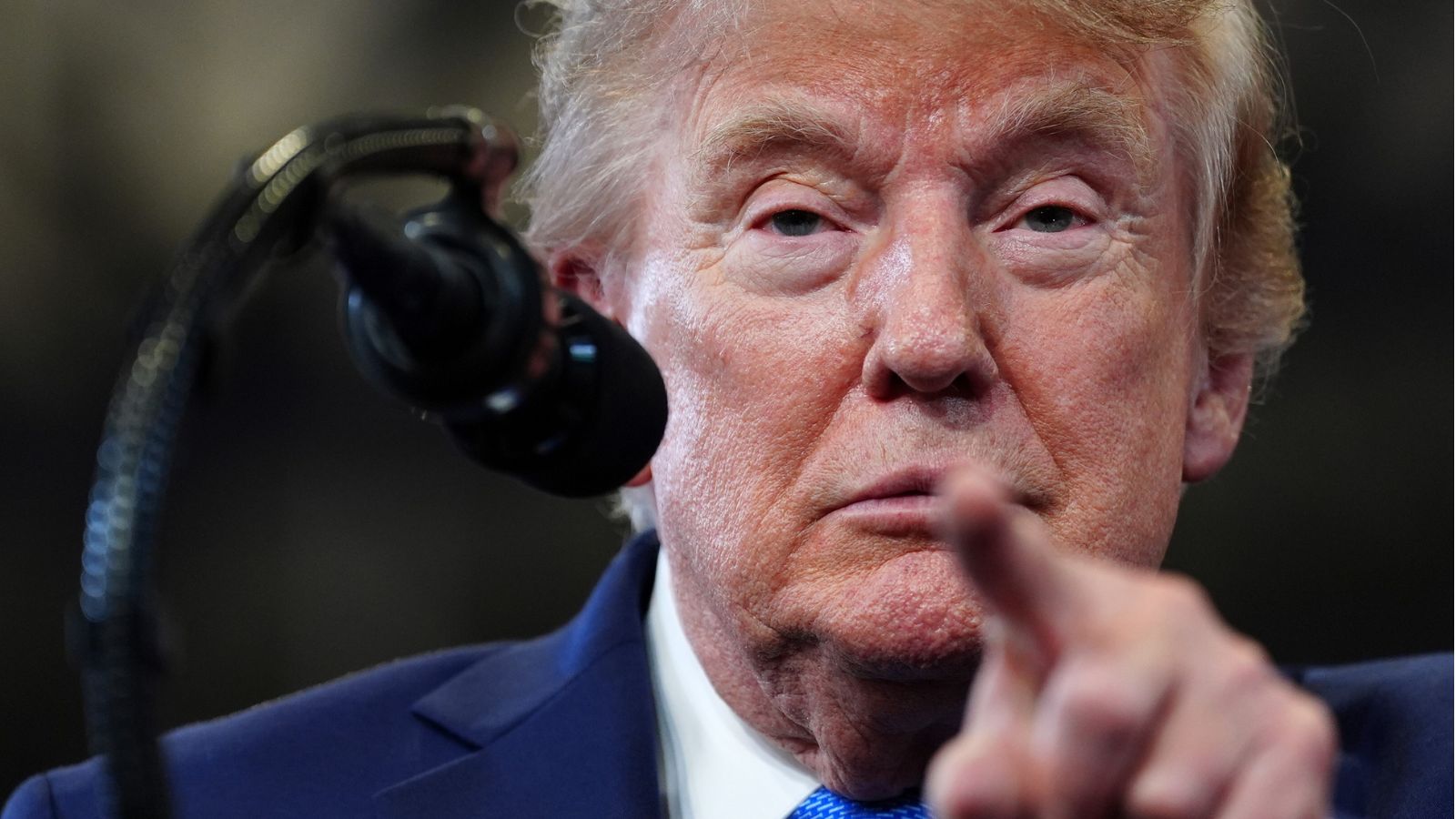
President Donald Trump claims North Korean leader Kim Jong Un has responded positively to his outreach, coinciding with a strategic scale-back of joint military drills with South Korea.
- President Trump confirms a "very positive" response from Kim Jong Un regarding direct talks.
- The US has ordered a substantial reduction in joint military exercises with South Korea.
- Trump criticized Seoul for its refusal to assist in US-led military operations against Iran.
- North Korea has deepened ties with Russia, providing troops and missiles for the Ukraine conflict.
In a surprising diplomatic turn, United States President Donald Trump announced on Monday that North Korean leader Kim Jong Un has responded to his recent requests for a conversation. Speaking from the Oval Office, Trump characterized the response as "very positive," although he stopped short of providing specific details regarding the nature of the communication or the potential agenda for future talks.
This revelation comes immediately after a contentious decision by the Trump administration to order the Pentagon to "substantially reduce" joint military drills with South Korea. Trump argued via his Truth Social platform that these annual exercises are not only an unnecessary financial burden but also send an "inappropriate and hostile" signal to a nation that he claims has been respectful during his tenure.
Why This Matters
BozokMedia analysis shows that this move is likely a dual-pronged strategy. By softening the stance toward Pyongyang, Trump is attempting to revive the personal diplomacy that characterized his first term. Simultaneously, he is leveraging the security umbrella provided to Seoul to pressure the South Korean government into aligning more closely with US interests in the Middle East, specifically regarding the conflict in Iran.
The tension between Washington and Seoul has spiked as Trump openly questioned why the US maintains 39,000 troops in South Korea while Seoul refuses to participate in "easy military operations" in Iran. This transactional approach to diplomacy marks a significant departure from traditional security alliances.
"North Korea is likely biding its time, waiting for the optimal moment to negotiate from a position of strength given their new alliance with Russia."
The geopolitical landscape has shifted since the last Trump-Kim summit in 2019. North Korea has since forged a robust military partnership with Russia, with North Korean troops actively participating in the invasion of Ukraine. Reports indicate that Pyongyang-made missiles have been utilized in attacks on Zaporizhzhia, complicating the US's diplomatic efforts.
Despite these developments, Trump remains optimistic about his personal rapport with Kim, stating, "Kim Jong Un has always treated me with great respect. I understand him. He understands me." However, critics and analysts suggest that this pivot may also be a tactical move to divert global media attention away from the struggles of the ongoing war in Iran.
| Feature | First Term Diplomacy (Pre-2019) | Current Approach (2026) |
|---|---|---|
| Primary Method | High-profile Summits | Direct Outreach & Pressure |
| NK Alliance | Isolated / China-dependent | Strong Russia-NK Military Axis |
| SK Relations | Standard Alliance | Transactional / Pressure-based |
Frequently Asked Questions
Q: Why did Trump reduce military drills with South Korea?
A: Trump believes the drills are too costly and hostile, and he is using this as leverage to pressure South Korea into helping with operations in Iran.
Q: What is the current state of North Korea's international relations?
A: North Korea has significantly strengthened its ties with Russia, providing military personnel and weaponry for the war in Ukraine.