A new Reuters/Ipsos poll reveals Donald Trump's approval rating has plummeted to 33%, the lowest of his presidency, as Americans grow weary of the escalating war with Iran and surging fuel prices.
- President Trump's approval rating has hit a presidency-low of 33%.
- 80% of Americans believe the US-Iran conflict will persist for an extended period.
- Rising petrol prices are eroding Republican support ahead of the November midterm elections.
- Democrats are now perceived as better economic stewards than Republicans for the first time in a decade.
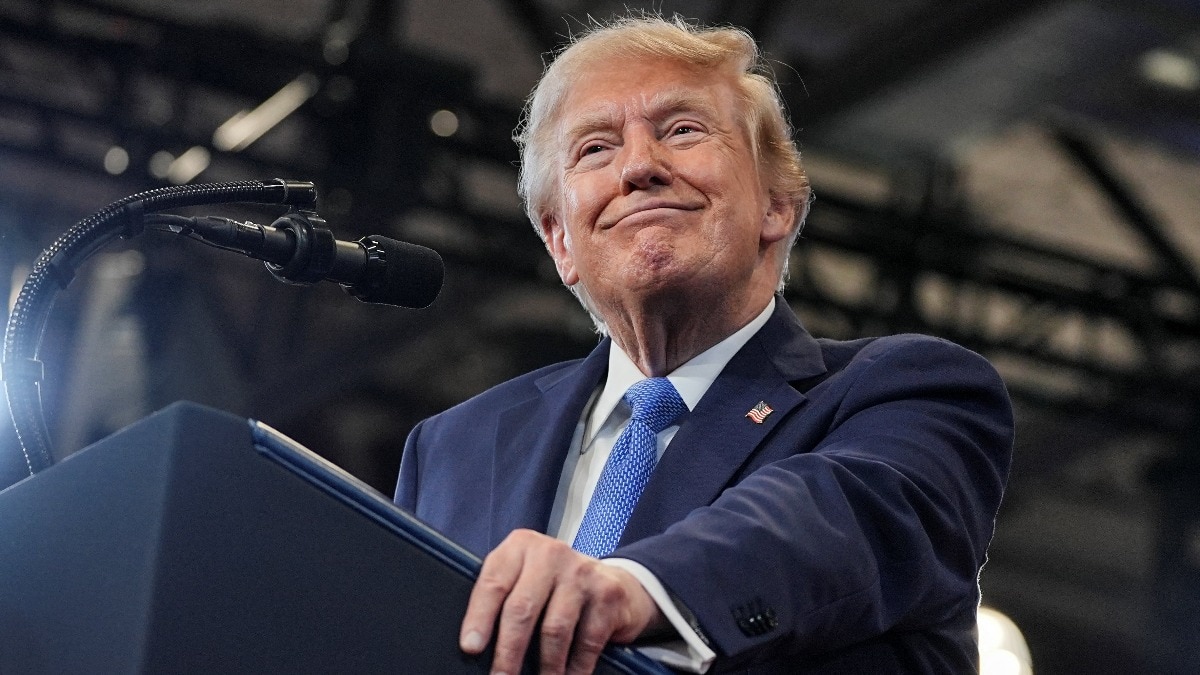
In a stunning shift in public sentiment, US President Donald Trump has seen his approval rating crash to 33 per cent, marking the absolute nadir of his current term. According to a comprehensive Reuters/Ipsos poll, 64 per cent of the American populace now disapproves of his performance in the White House. This decline is not merely a statistical dip but a reflection of deep-seated anxiety regarding the administration's foreign policy and its direct impact on the American pocketbook.
The primary catalyst for this collapse is the ongoing military engagement with Iran. After returning to office in 2025, Trump authorized strikes on Iran in coordination with Israel. While the administration initially framed the conflict as a short-term operation lasting only a few weeks, the reality has been far more complex. Iran's resilience has led to a strategic bottleneck in the Strait of Hormuz, paralyzing roughly one-fifth of the global oil trade and sending gasoline prices soaring across the United States.
Why This Matters
BozokMedia analysis shows that this is more than a foreign policy failure; it is a political crisis. Trump campaigned on a platform of avoiding "forever wars" and curbing inflation. By presiding over both a prolonged conflict and a spike in energy costs, he has created a narrative of contradiction that his political opponents are now leveraging. The economic fallout is directly threatening the Republican Party's slim majority in the House of Representatives, as voters increasingly associate the current administration with financial instability.
The intersection of geopolitical instability in the Middle East and domestic inflation is creating a 'perfect storm' that could reshape the US legislative landscape in the upcoming midterms.
The polling data highlights a rare bipartisan consensus on the war's duration. An overwhelming 80 per cent of Americans—including 71 per cent of Republicans—expect the involvement in Iran to continue indefinitely. Only 16 per cent believe a swift resolution is possible. This pessimism is mirrored in the perceived value of the war; only 20 per cent of the population believes the conflict has been worth the cost, with the administration justifying the expense as a necessary evil to prevent Iran from acquiring nuclear weapons.
Furthermore, the Republican grip on key issues is slipping. For the first time in ten years, voters now view Democrats as better managers of the economy (38%) compared to Republicans (35%). Even the administration's strongest suit—immigration—is seeing a decline in support. While Republicans still lead on immigration policy, the lead has shrunk from a massive 26-point margin in January 2025 to a razor-thin 2-point lead, largely due to reports of deadly confrontations and the detention of children at the border.
| Metric | January 2025 | August 2026 |
|---|---|---|
| Immigration Policy Lead (R vs D) | +26 points | +2 points |
| Economic Preference | Republican Lead | Democratic Lead (38% vs 35%) |
| Approval Sentiment | Moderate/High | 33% (Presidency Low) |
Frequently Asked Questions
Q: Why did Trump's approval rating drop so sharply?
A: The decline is primarily attributed to the prolonged war with Iran, which has caused global oil trade disruptions and led to higher petrol prices for US citizens.
Q: How is this affecting the upcoming US elections?
A: Republicans are nervous about defending their slim majority in the House, while Democrats see an opportunity to gain control of the Senate due to economic dissatisfaction.