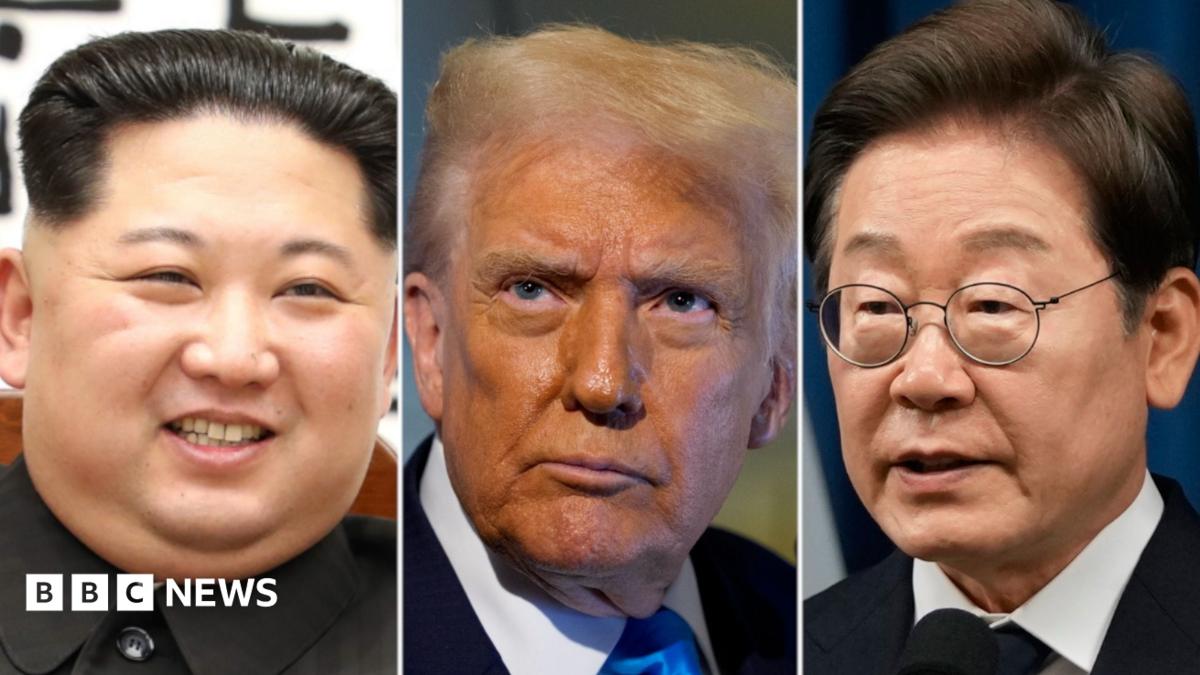
President Donald Trump has ordered a reduction in joint military exercises with South Korea, sparking panic among diplomats and security officials. The move is seen as a penalty for Seoul's neutrality in the Iran conflict and a nod to Kim Jong Un.
- President Trump ordered a downsizing of the 'Ulchi Freedom Shield' joint military exercises.
- The decision stems from South Korea's refusal to join the US war against Iran.
- Experts warn this emboldens North Korea and China while unsettling allies like Japan and Taiwan.
In a move that has sent shockwaves through the diplomatic corridors of Washington, US President Donald Trump has ordered a scale-back of joint military exercises with South Korea. Former diplomats and security officials warn that this decision weakens a critical ally and sends a destabilizing signal across the Asia-Pacific region.
The President justified the reduction by citing South Korea's reluctance to participate in his conflict with Iran and his uniquely close personal rapport with North Korean leader Kim Jong Un. Critics argue that this reflects a transactional approach to foreign policy, where strategic alliances are treated as bargaining chips rather than long-term security commitments.
Why This Matters
BozokMedia analysis shows that this shift represents a fundamental departure from the traditional US security architecture in Asia. By prioritizing personal chemistry with an adversary over a treaty-bound ally, the administration risks creating a security vacuum. This could inadvertently push South Korea toward pursuing its own nuclear weapons capability to ensure its survival, effectively dismantling decades of non-proliferation efforts.
"Trump is punishing an ally while encouraging an adversary. He is protecting Kim Jong Un's sensitive feelings at the expense of US-South Korean security." - Danny Russel, former Assistant Secretary of State.
The 11-day Ulchi Freedom Shield exercises, which began on Monday, are now being downsized in unspecified areas. This has left Seoul bewildered, as national security remains their top priority given the nuclear threats from Pyongyang. Democratic members of Congress, including Rep. Greg Meeks, have slammed the move, stating that treating a close ally like an adversary directly benefits China and North Korea.
Historically, the US-South Korea alliance has served as the bedrock of stability in East Asia since the end of World War II. Retired Ambassador Robert Wood emphasized that these drills are essential for deterrence, noting that without them, the psychological edge over North Korea is lost.
| Perspective | Trump Administration View | Diplomatic/Expert View |
|---|---|---|
| Strategy | Transactional & Personal | Strategic Deterrence & Stability |
| Allies | Should pay more for defense | Need reliability and trust |
| North Korea | Personal friendship with Kim | Nuclear threat to be contained |
Frequently Asked Questions
Q1: Why did Trump reduce the military exercises?
A: He cited South Korea's refusal to join the war against Iran and his positive relationship with Kim Jong Un as primary reasons.
Q2: What are the potential global implications?
A: It may embolden North Korea's nuclear ambitions, strengthen China's regional influence, and force allies like Japan and Taiwan to reconsider their security dependencies.