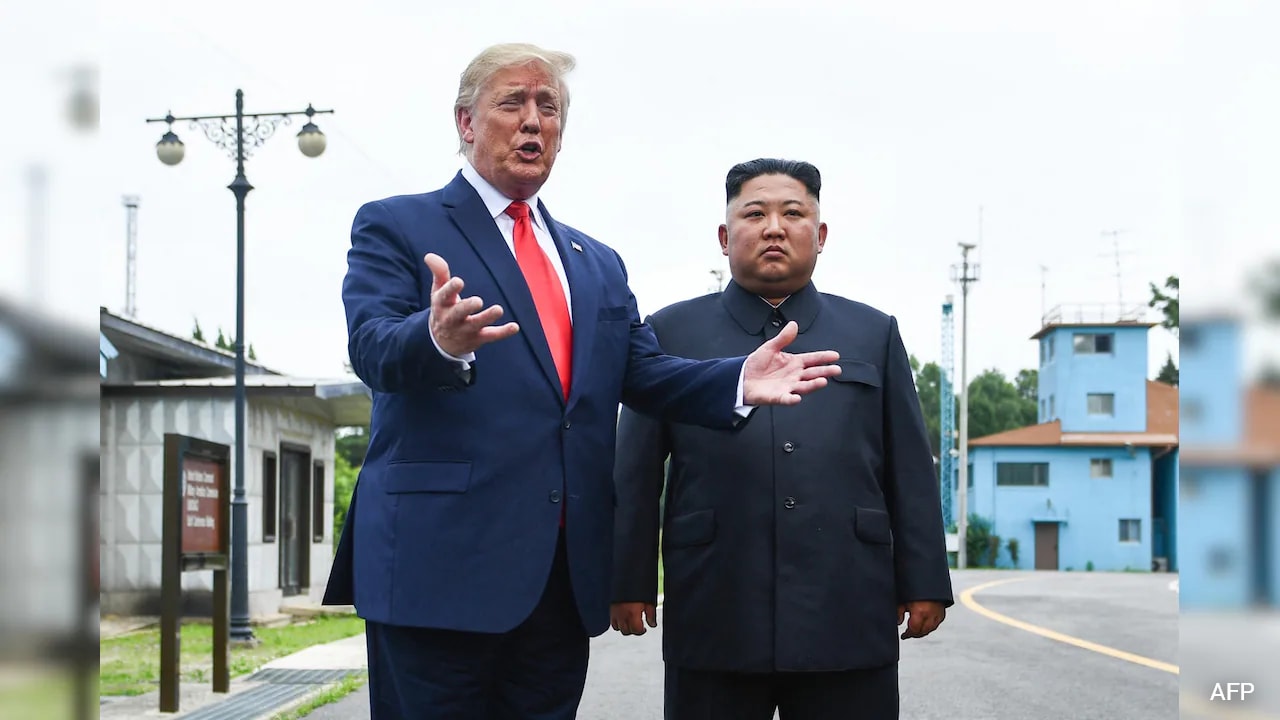
As the trade deadline looms, US and Canadian officials are engaged in high-stakes, last-minute negotiations to prevent the implementation of massive 50% tariffs proposed by Donald Trump.
- High-stakes negotiations are underway between US and Canadian officials.
- The proposed 50% tariff by Donald Trump poses a massive threat to North American trade.
- Canada is racing against the clock to convince the Trump administration to reconsider.
In a high-stakes diplomatic scramble, officials from the United States and Canada are conducting last-minute negotiations to avert a massive trade disruption. The core of the conflict lies in President Donald Trump's proposal to impose 50% tariffs on Canadian imports, a move that could fundamentally reshape the North American economic landscape.
The atmosphere in both Washington D.C. and Ottawa is one of extreme urgency. As the deadline approaches, Canadian diplomats are working tirelessly to present a case that emphasizes the interconnectedness of the two economies and the potential collateral damage to American consumers and industries.
Why This Matters
BozokMedia analysis shows that this standoff is more than just a bilateral dispute; it is a litmus test for the future of North American trade stability. A 50% tariff would disrupt critical supply chains in sectors ranging from automotive to energy, potentially causing inflationary spikes across both nations.
The economic stakes of this negotiation cannot be overstated; it is a fight for the stability of the North American corridor.
The geopolitical implications are profound. Canada has long been a key strategic ally of the US, and a full-scale trade war could strain diplomatic relations and security cooperation for years to come.
Historical Background
The economic relationship between the US and Canada has been anchored by agreements like NAFTA and its successor, the USMCA. While protectionist rhetoric has surfaced periodically in US politics, the current threat of a 50% blanket tariff represents an unprecedented escalation in trade tensions.
Frequently Asked Questions
Question 1: What is the primary goal of these last-minute talks?
Answer: The primary goal is to find a compromise that prevents the imposition of the proposed 50% tariffs.
Question 2: How would these tariffs affect the average consumer?
Answer: Consumers would likely see significant price increases on goods imported from Canada, such as food, lumber, and automotive parts.