As the 60-day peace framework expires, the United States and Iran remain locked in a dangerous stalemate. With blockades in the Strait of Hormuz and escalating regional tensions, the world faces a volatile new geopolitical reality.
- The 60-day window for a US-Iran long-term peace framework has officially expired without an agreement.
- Strategic maritime chokepoints, including the Strait of Hormuz and Bab el-Mandeb, remain under blockade or threat.
- Economic warfare has intensified as the US rescinds oil sanction waivers and Iran leverages the stalemate.
- India faces significant risks to its energy security and strategic interests due to the prolonged conflict.
The geopolitical landscape of the Middle East has entered a precarious phase as the 60-day window for the United States and Iran to agree on a long-term peace framework expired on Monday. What was intended to be a diplomatic bridge has instead become a catalyst for further instability. By late June and throughout July, the Memorandum of Understanding (MoU) began to unravel, primarily due to conflicting interpretations of its terms and a total failure to reopen the Strait of Hormuz.
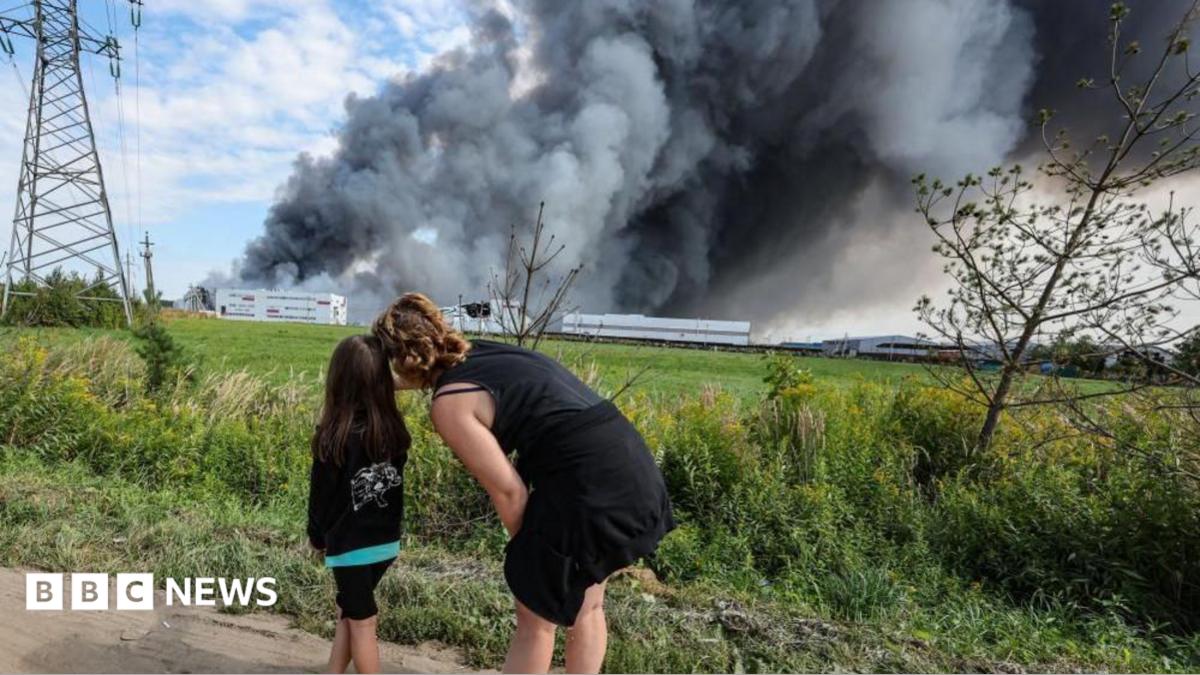
The current situation is characterized by a mirrored blockade system. Following an Israel-US attack in late February, Iran effectively shut down the Strait of Hormuz, prompting a reciprocal American counter-blockade. This instability has bled into neighboring regions, where the Houthis and Saudi Arabia have engaged in mutual attacks, with the Yemen-based militants enforcing a partial blockade of the Bab el-Mandeb, further strangling global trade routes.
Why This Matters
BozokMedia analysis shows that this is no longer a temporary diplomatic spat but a systemic shift in regional power dynamics. The US has realized that aerial bombardment alone cannot dismantle the hardline regime in Tehran, especially as munitions stockpiles dwindle. Conversely, Tehran recognizes that while ballistic missiles can harass US bases or Israel, they cannot force a complete American withdrawal from the region. Both nations are now doubling down on economic warfare as their primary weapon of choice.
The current stalemate represents a 'war of attrition' where the goal is not immediate victory, but the ability to outlast the opponent's economic and political endurance.
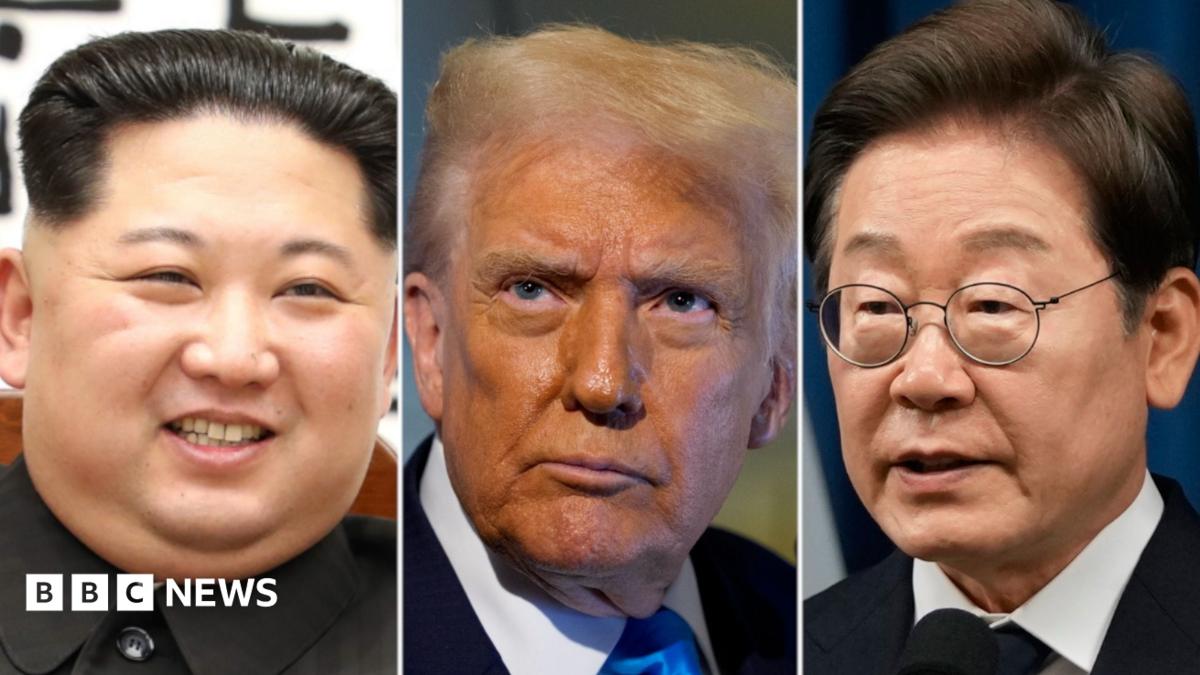
President Donald Trump finds himself in a complex position, oscillating between aggressive threats—such as bombing Oman if it interferes with deal-making—and a public insistence that a negotiated settlement is still possible. With midterm elections looming, the US administration is under pressure to show results without becoming permanently mired in another foreign war. Iran, meanwhile, is calculating its ability to absorb economic pain, betting that it can squeeze the US administration until the election cycle forces a concession.
For global players like India, this 'new normal' is a strategic nightmare. India's heavy reliance on imported oil makes it vulnerable to any disruption in the Persian Gulf. While New Delhi has managed the immediate fallout so far, the persistence of this deadlock necessitates a fundamental shift in national policy.
| Strategy | United States Approach | Iran Approach |
|---|---|---|
| Military | Naval Blockades & Air Strikes | Ballistic Missiles & Proxy Attacks |
| Economic | Sanction Waivers Rescinded | Leveraging Regional Instability |
| Goal | Regime Pressure/Stability | Survival & US Withdrawal |
Frequently Asked Questions
1. Why did the 60-day peace framework fail?
The framework failed due to disagreements over the interpretation of terms and the inability of both sides to agree on the reopening of the Strait of Hormuz.
2. How does this conflict affect India?
India faces threats to its energy security due to its high dependence on imported oil, which could see price spikes or supply disruptions if the blockades continue.