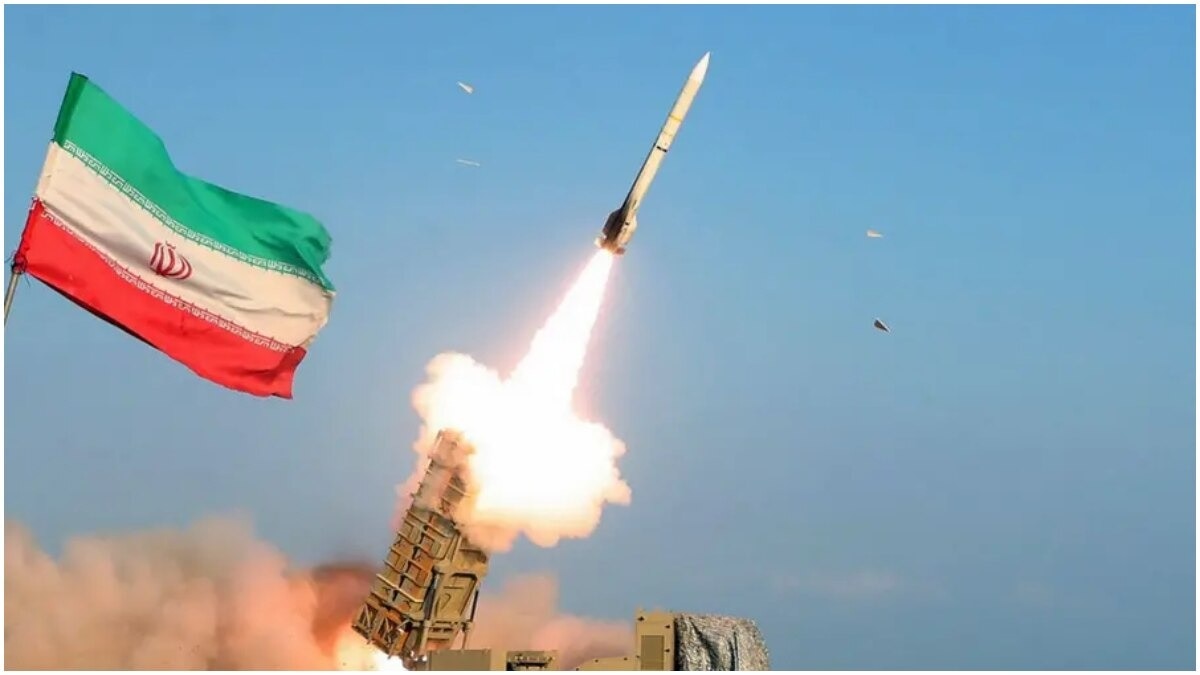
Tensions escalate in the Persian Gulf as Iran dismisses UAE's allegations of ballistic missile attacks as a 'false flag' operation. UAE has responded by suspending all trade and financial transactions with Tehran.
- UAE accused Iran of launching two ballistic missiles targeting maritime traffic.
- Iran labeled the accusations as 'baseless' and a potential 'false flag' operation.
- UAE has suspended all commercial and financial exchanges with Iran.
- The Strait of Hormuz remains a high-tension zone for global shipping.
The geopolitical landscape of the Middle East has reached a boiling point following serious accusations exchanged between the United Arab Emirates (UAE) and Iran. The UAE Ministry of Defense reported that two ballistic missiles, allegedly launched from Iranian territory, landed near its maritime borders. While the missiles were aimed at maritime traffic, one landed within UAE territorial waters and the other just outside, though no casualties or physical damage were reported.
Tehran has responded with vehement denial. A spokesperson for the Iranian Ministry of Foreign Affairs slammed the allegations, describing them as 'baseless' and a deliberate attempt to destabilize the region. Iran has gone a step further, suggesting that the entire incident might be a 'false flag' operation designed to frame Iran and incite international hostility.
Why This Matters
BozokMedia analysis shows that this escalation poses a significant threat to global energy security. The Strait of Hormuz is a critical chokepoint for the world's oil supply. Any military friction in this corridor can lead to a spike in global oil prices and disrupt international supply chains. The decision by the UAE to halt all trade and financial dealings with Iran signifies a shift from diplomatic friction to economic warfare.
Unsubstantiated military accusations in the Persian Gulf can act as a catalyst for a massive regional conflict.
The strategic importance of the region cannot be overstated. With the ongoing tensions between the United States and Iran, the maritime routes in the Gulf are under constant scrutiny. Recent data suggests that a significant percentage of vessels are already rerouting to avoid the Strait of Hormuz due to heightened security risks.
In response to the initial missile threat, the UAE Ministry of Interior issued emergency alerts to citizens via mobile phones, though the situation was later declared stable. The international community is now closely monitoring the situation to prevent a full-scale military confrontation between these two regional powers.
Frequently Asked Questions
Question 1: What triggered the tension between UAE and Iran?
Answer: The tension was triggered by the UAE's accusation that Iran launched ballistic missiles near its maritime territory.
Question 2: What is the impact on trade?
Answer: The UAE has suspended all trade, commerce, and financial transactions with Iran until further notice.


