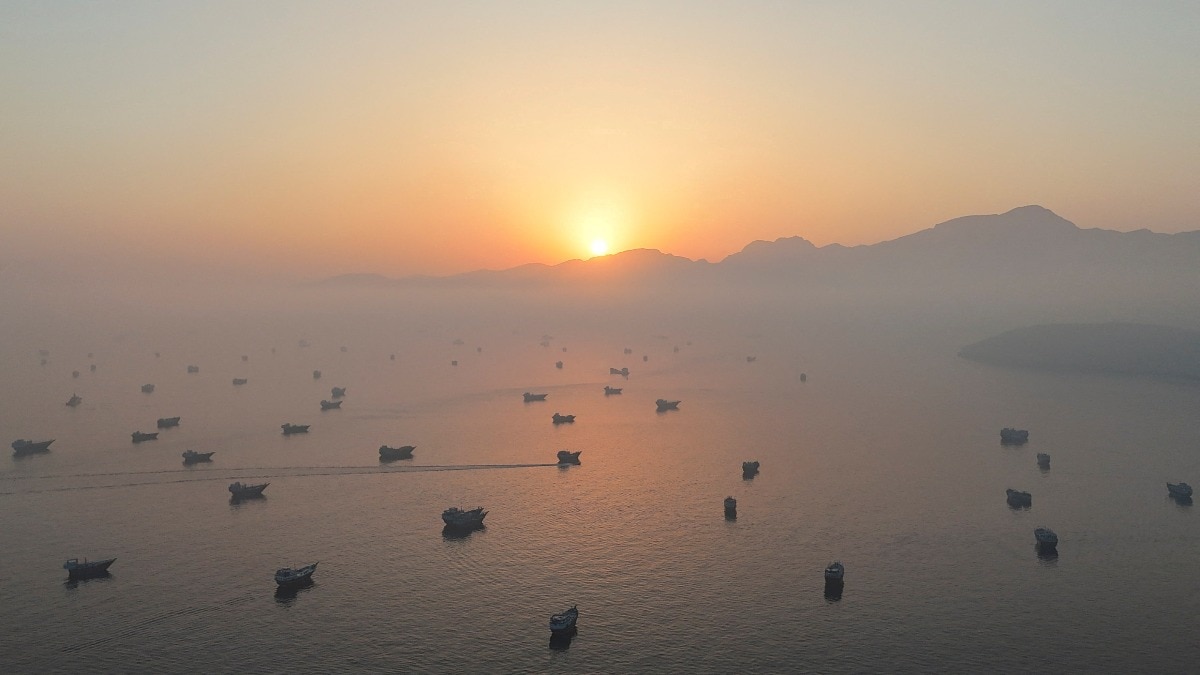
Donald Trump's aggressive economic sanctions and naval strategy are challenging Iran's dominance over the Strait of Hormuz. This escalation threatens global oil supplies and regional stability.
- Donald Trump has announced massive economic sanctions against Iran.
- The U.S. claims naval blockades in the Strait of Hormuz have been highly effective.
- Iran has prepared contingency plans for retaliatory strikes against U.S. interests.
- The conflict poses a direct threat to global energy security and oil prices.
The world is closely monitoring the Strait of Hormuz, the most volatile maritime chokepoint on the planet. With President Donald Trump initiating an 'economic war' against Iran, the geopolitical landscape of the Middle East is shifting rapidly. Trump has signaled a zero-tolerance policy, stating that the U.S. will impose the harshest sanctions yet, targeting not just Iran but also any nation that assists the Iranian regime.
Trump's Economic Warfare and the Iran Strategy
The Trump administration's latest stance indicates a departure from mere diplomacy toward total economic isolation. By targeting Iran's ability to export oil, the U.S. aims to strike at the very heart of the Iranian economy. Trump has explicitly warned that secondary sanctions will be applied to any country facilitating Iranian trade, a move designed to squeeze the regime's revenue to near-zero levels.
Why This Matters
BozokMedia analysis shows that the Strait of Hormuz is more than just a waterway; it is the jugular vein of the global economy. Approximately 20% of the world's liquid petroleum passes through this narrow passage. Any disruption here—whether through Iranian aggression or U.S. military intervention—will trigger immediate and massive volatility in global oil markets.
Control over the Strait of Hormuz is synonymous with control over the pulse of the global economy.
In response, Iran has not remained silent. Military officials in Tehran have indicated that they have formulated plans for significant strikes against American interests should the pressure become untenable. This creates a dangerous cycle of escalation that could lead to a full-scale naval conflict in the region.
Historical Context: The Strategic Chokepoint
The Strait of Hormuz has been a flashpoint for decades. From the 'Tanker Wars' of the 1980s to modern-day drone incursions, the struggle for maritime supremacy has defined Middle Eastern politics. While Iran has long used the threat of closing the Strait as a geopolitical lever, the current U.S. administration is attempting to dismantle this leverage through superior naval presence and economic coercion.
Frequently Asked Questions
1. Why is the Strait of Hormuz so critical?
It is the primary transit point for a significant portion of the world's crude oil supply.
2. What are secondary sanctions?
They are penalties imposed by the U.S. on third-party countries or entities that continue to trade with a sanctioned nation like Iran.