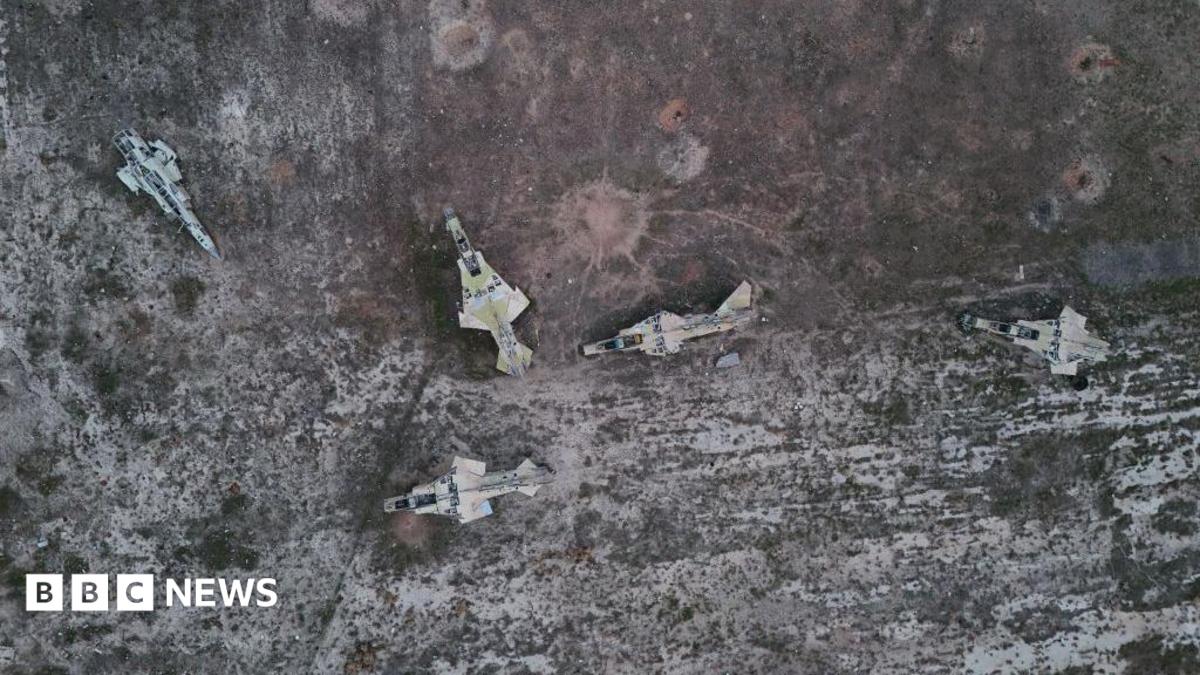
The United States has issued a rare and sharp rebuke of Israel following airstrikes on Syria's Abu Duhur military airbase near the Turkish border. Washington termed the strikes an "unnecessary escalation" that threatens regional stability, while Israel claimed Syria was breaching security agreements.
- The US has openly criticized Israel's airstrikes on Syria's Abu Duhur airbase, calling it an "unnecessary escalation."
- Israel defended the attack, alleging Syria breached security protocols by allowing Turkish troops to deploy at the base.
- Syrian President Ahmed al-Sharaa, who maintains close ties with the US, has denied hosting proxy forces or escalating tensions.
The United States has delivered a rare and direct diplomatic rebuke to Israel following reports of airstrikes targeting a Syrian military airbase near the Turkish border. US officials have characterized the military action as an "unnecessary escalation" that threatens to destabilize the fragile peace process in the post-Assad Middle East.
According to Syrian state television, eight airstrikes targeted the runway and storage facilities at the Abu Duhur military airport on Tuesday. While no casualties or injuries have been reported, the strikes have triggered intense diplomatic friction across the region, with Syria and Turkey pointing fingers directly at the Israeli military.
The office of Israeli Prime Minister Benjamin Netanyahu quickly defended the operation, stating that Israel and Syria had agreed to a strict security status quo. Israel accused Damascus of being on the verge of breaching this agreement by permitting Turkish troops to deploy at the strategic airbase near Aleppo.
Syria’s foreign ministry strongly condemned the strikes, calling them "an unjustified act of aggression" that directly imperils regional security and stability. Turkey, while not officially confirming whether its forces were present at the base located 70km from its border, rejected Israel's claims, calling them "frivolous allegations" designed to legitimize unlawful strikes.
Why This Matters
BozokMedia analysis shows that this incident marks a critical friction point between the US, Turkey, and Israel in the post-Assad era. While Israel remains highly suspicious of the new Syrian administration under Ahmed al-Sharaa, the US is actively trying to integrate Damascus into its regional security umbrella. Continued unilateral military actions by Israel could strain its strategic alignment with Washington.
Historically, the Abu Duhur airbase has been out of service as an active military airfield since 2013. Rebel forces seized control of the facility during their sweeping offensive in December 2024, which led to the rapid overthrow of Bashar al-Assad's regime. Since then, Syria has been attempting to rebuild its defense infrastructure with assistance from regional actors, including Turkey.
"The public friction between Washington and Jerusalem over Syrian airspace highlights a deeper strategic divergence on how to manage the post-Assad transition."
| Country | Official Stance / Action | Primary Strategic Concern |
|---|---|---|
| United States | Condemned strikes as "unnecessary escalation" | Preserving regional stability and supporting diplomatic transition |
| Israel | Conducted airstrikes on Abu Duhur airbase | Preventing Turkish military buildup and foreign proxy influence |
| Syria | Denounced attacks as "unjustified aggression" | Rebuilding military infrastructure and protecting sovereignty |
| Turkey | Rejected Israeli allegations of posing a threat | Securing its southern border and supporting the new Syrian administration |
Frequently Asked Questions
Q1: Why did Israel strike the Abu Duhur airbase?
Israel claimed that Syria was violating the security status quo by allowing Turkish troops to deploy at the airbase, which Israel views as a direct threat to its security interests.
Q2: What is the US stance on the new Syrian government?
The US, represented by envoy Tom Barrack, has expressed support for Syrian President Ahmed al-Sharaa, noting that he has avoided proxy forces and shown a clear preference for de-escalation with neighboring states.