President Vladimir Putin has expressed Russia's readiness to partner with Myanmar in offshore oil and gas exploration. This strategic move signals a deepening energy and technological alliance between the two nations.
- Russia is prepared to invest heavily in Myanmar's offshore energy sectors.
- Strategic discussions covered oil, gas, and small modular nuclear reactors.
- Cooperation extends to space exploration and financial technology.
In a significant diplomatic and economic development, Russian President Vladimir Putin has signaled that Russia is ready to deepen its cooperation with Myanmar, specifically targeting the country's offshore oil and gas exploration projects. This announcement comes as both nations seek to strengthen bilateral ties amidst a shifting global geopolitical landscape.
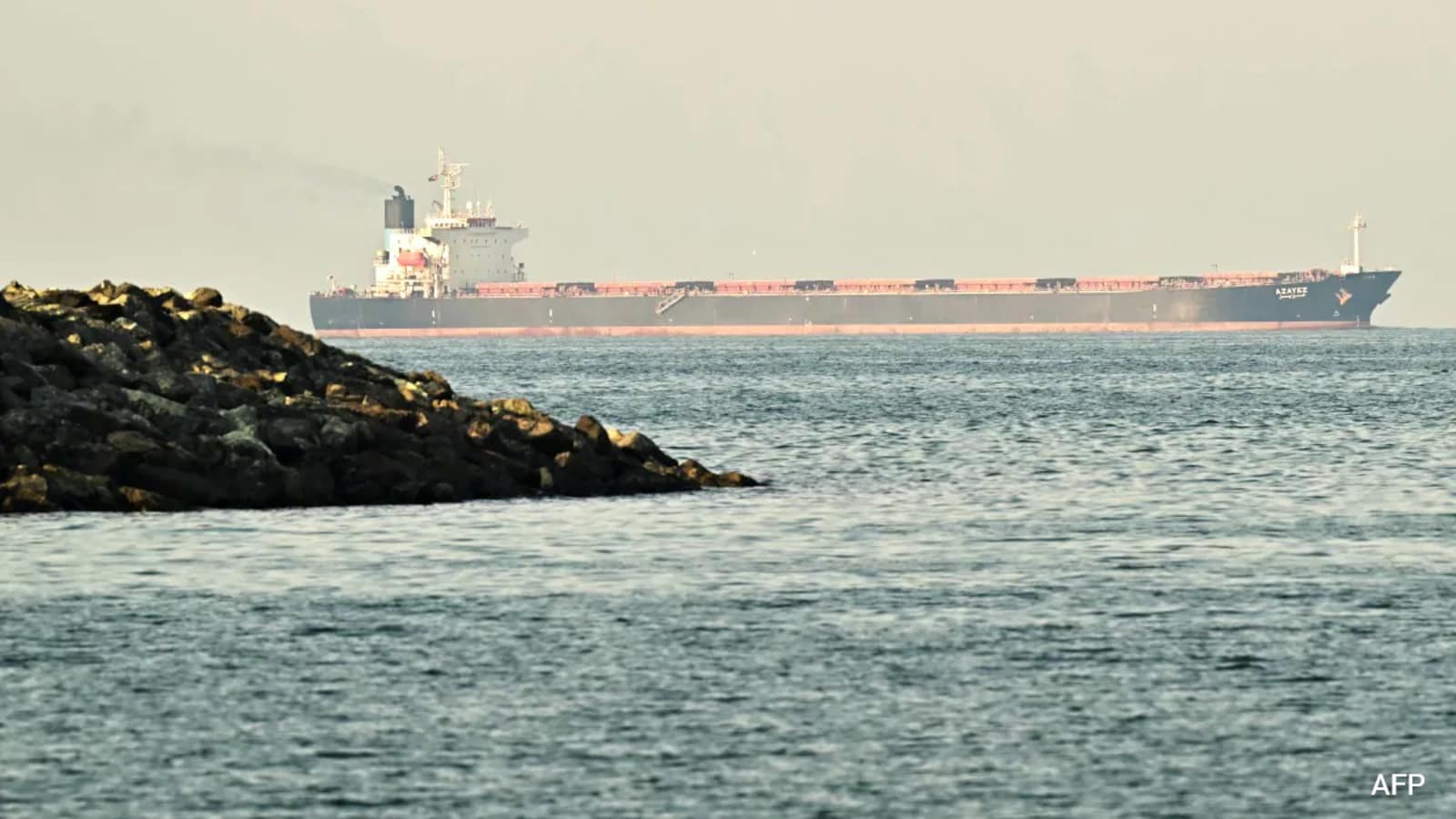
The proposed partnership focuses on leveraging Russian expertise in energy extraction to tap into Myanmar's vast offshore reserves. This move is expected to provide a significant boost to Myanmar's energy infrastructure while offering Russia a strategic foothold in the resource-rich Southeast Asian region.
Why This Matters
BozokMedia analysis shows that this deepening relationship is a calculated move by Moscow to diversify its economic partnerships and expand its influence in the Indo-Pacific region. By securing energy cooperation, Russia is positioning itself as a key player in the energy security of Southeast Asia.
The Russia-Myanmar energy alliance is more than a commercial deal; it is a strategic realignment that could redefine regional power dynamics.
Beyond traditional hydrocarbons, the scope of cooperation is remarkably broad. Reports indicate that the two nations are advancing a 110 MW small modular reactor (SMR) project, aimed at providing stable nuclear energy to Myanmar. Furthermore, Russia has committed to training Myanmar's first national cosmonaut, highlighting a leap into high-tech aerospace cooperation.
To bypass international financial constraints, an agreement has also been reached to implement the use of Mir cards in Myanmar, facilitating smoother trade and financial transactions between the two nations.
Frequently Asked Questions
1. What are the primary sectors of Russia-Myanmar cooperation?
The primary sectors include offshore oil and gas exploration, nuclear energy (SMR), and space exploration.
2. How will they handle financial transactions?
The two countries have agreed to use the Russian 'Mir' card system to facilitate trade.