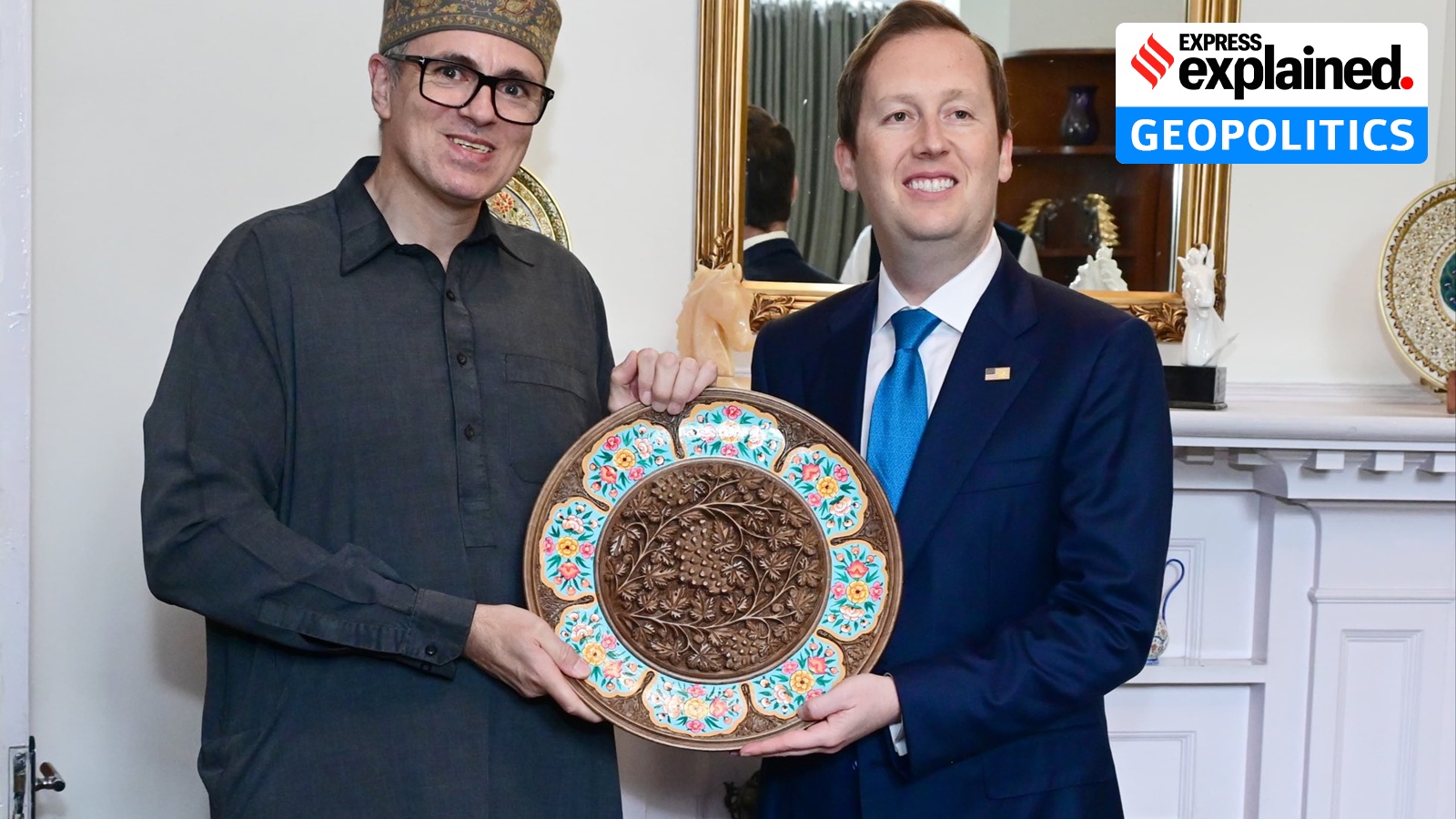
US Ambassador Sergio Gor's recent assertion that Jammu and Kashmir is an integral part of India has triggered a formal protest from Pakistan, marking a significant pivot in Washington's regional diplomacy.
- US Ambassador Sergio Gor termed Jammu and Kashmir as "an important part of India."
- Pakistan lodged a formal protest, summoning the US diplomat in Islamabad.
- The US position on Kashmir has historically fluctuated based on strategic interests.
In a move that has reverberated through South Asian diplomatic circles, US Ambassador to India Sergio Gor recently described Jammu and Kashmir as "an important part of India." This definitive stance prompted an immediate and sharp reaction from Pakistan, which summoned the US Charge d’ Affaires in Islamabad to protest what it termed an "irresponsible statement" that contradicts international law.
The significance of Gor’s remark cannot be overstated. Beyond his role as Ambassador, Gor serves as the Special Envoy for South and Central Asian Affairs and is widely regarded as a close confidant of Donald Trump. His comments suggest a potential hardening of US policy toward the Kashmir dispute, aligning more closely with New Delhi's position than in previous decades.
Why This Matters
BozokMedia analysis shows that the United States' involvement in the Kashmir issue has never been static. Instead, Washington’s policy has been a fluid instrument of its global strategic objectives, shifting between supporting bilateralism and acknowledging international disputes depending on the geopolitical climate.
The evolution of US policy on Kashmir reflects the broader transition from Cold War containment to a modern strategic partnership with India.
Historically, during the early years following the 1947 partition, the US and UK showed sympathy toward Pakistan. During the Cold War, Pakistan’s geographical location made it a vital strategic asset for the US to counter Soviet influence. This led Washington to support the idea of Kashmir as a disputed territory to maintain its alliance with Islamabad.
However, the landscape changed significantly following the 1971 war and the subsequent Simla Agreement, where both India and Pakistan agreed to resolve differences bilaterally. As India’s economic and strategic importance grew, and the Cold War ended, the US gradually moved away from supporting calls for a plebiscite, opting instead to respect the bilateral framework established between the two neighbors.
Frequently Asked Questions
1. Why did Pakistan protest against the US Ambassador?
Pakistan views the US Ambassador's statement as a violation of the long-standing US position on Kashmir being a disputed territory.
2. How has the US stance on Kashmir changed over time?
The US stance has shifted from supporting UN-led involvement and plebiscite calls during the Cold War to recognizing the importance of bilateral resolutions in recent decades.


