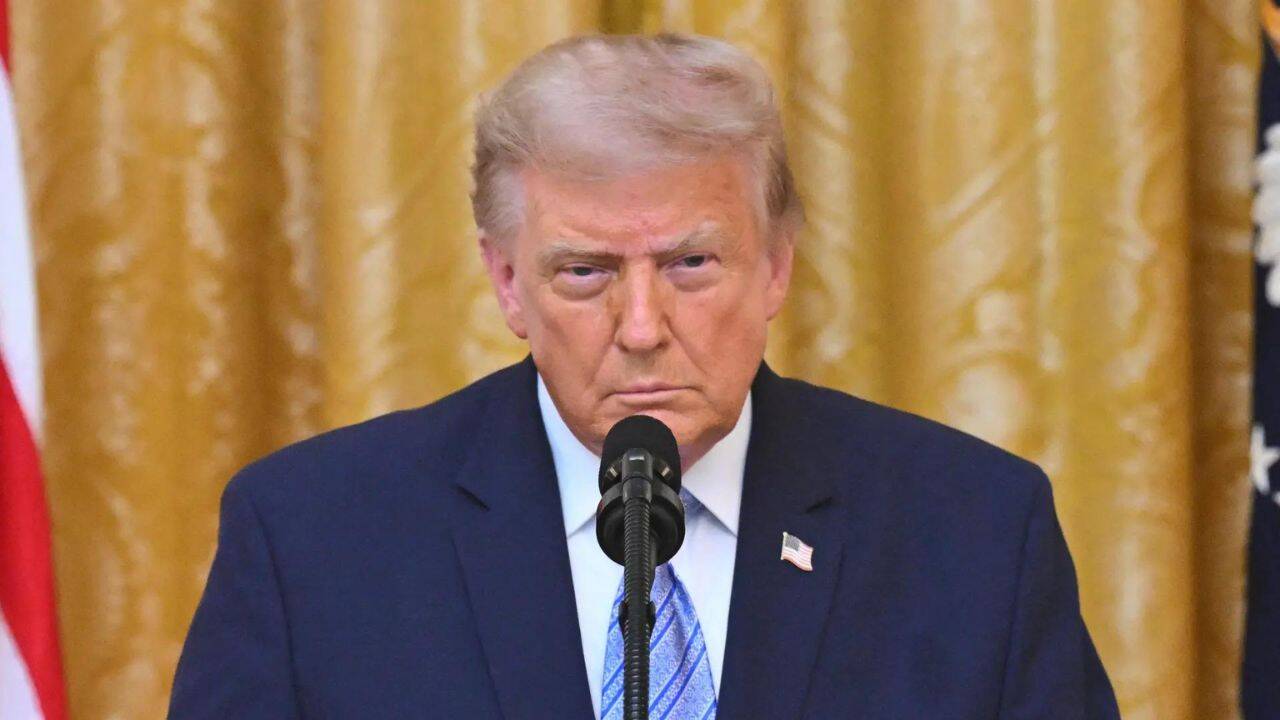
The Islamic Resistance in Iraq (IRI) has announced a $10 million reward for anyone who kills President Donald Trump, citing retaliation for the 2020 drone strike that killed Qassem Soleimani and Abu Mahdi al-Muhandis. The move reignites geopolitical tension and raises serious security concerns worldwide.
Key Takeaways (मुख्य बिंदु)
- Iran-backed militia IRI puts a $10 million bounty on President Donald Trump.
- The bounty is framed as retaliation for the 2020 drone strike that killed Qassem Soleimani and Abu Mahdi al-Muhandis.
- The announcement escalates existing geopolitical tensions and security risks.
The Islamic Resistance in Iraq (IRI), an Iran‑supported militia umbrella, released a statement on July 16 offering a $10 million reward to "whoever kills the criminal Trump, or whoever eliminates him personally, directs others to do so, or facilitates it as an individual, group, organisation or institution." The group claims the money has been collected from donations by its members and supporters.
Historical Background
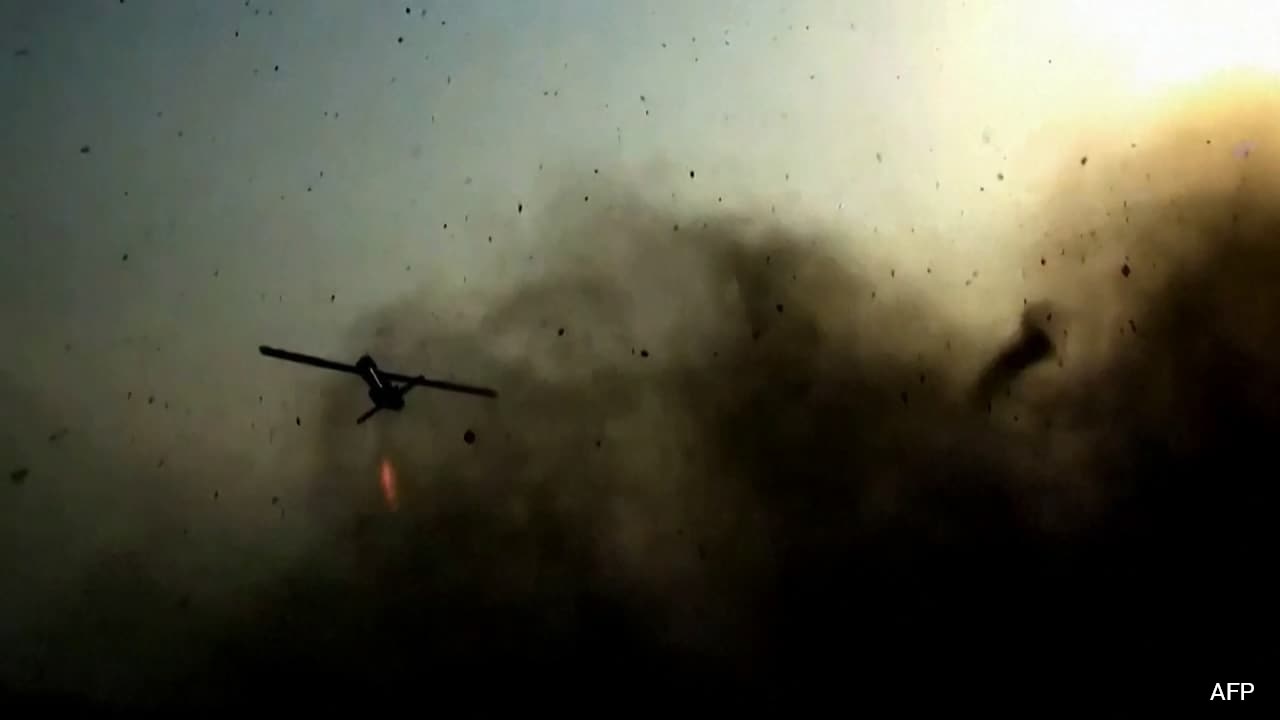
In January 2020, the United States carried out a drone strike in Baghdad that killed Iranian General Qassem Soleimani and Iraqi militia leader Abu Mahdi al‑Muhandis. The attack sparked outrage across Tehran and its allied militias, who viewed the strike as a violation of Iraqi sovereignty. Former President Donald Trump later praised the operation, calling it a decisive victory, which intensified anti‑American sentiment among Iran‑aligned groups.
Since then, Tehran and its proxy forces have repeatedly warned of retaliation. The bounty announcement follows a series of attempted attacks on Trump during his 2024 campaign, including a gunfire incident in Pennsylvania and a foiled plot near his Florida golf course.
Why This Matters (इसके मायने क्या हैं)
According to BozokMedia analysis, the bounty represents a dangerous escalation that could embolden extremist actors worldwide. By monetising an assassination target, the militia not only violates international law but also creates a lucrative incentive for terrorist networks, potentially increasing the cost of U.S. diplomatic and security operations.
Moreover, the declaration underscores the fragile balance within Iraq, where competing militia factions vie for influence. If the threat materialises, it could trigger a broader regional crisis, compelling the United States to reassess its Middle East strategy and allocate additional resources for protection of its officials.
"Offering a bounty on a sitting head of state is a flagrant breach of international norms and a direct challenge to global peace," says security analyst Dr. Ravi Singh.
Comparison Table
| Militia Position (IRI) | US Position |
|---|---|
| Offer $10 million bounty as retaliation | Condemn the threat and boost security measures |
| Accuse Trump of killing Soleimani and al‑Muhandis | Defend the 2020 strike as a lawful counter‑terrorism action |
Frequently Asked Questions (अक्सर पूछे जाने वाले प्रश्न)
Can the bounty be legally enforced? International law prohibits such rewards for political assassinations, and any attempt to pay it would expose the payer to sanctions and criminal prosecution.
How is the United States responding? The U.S. government has publicly denounced the bounty, heightened protective protocols for the President, and warned Iranian‑aligned groups against further threats.