Two doctors from Mumbai's Parsi community are set to receive the Nishan-e-Imtiaz for maintaining the confidentiality of Muhammad Ali Jinnah's terminal illness during the Partition era. Experts suggest this secrecy altered the course of history.
- Two Parsi doctors from Mumbai (a physician and a radiologist) will be awarded the Nishan-e-Imtiaz.
- They maintained absolute secrecy regarding Muhammad Ali Jinnah's terminal illness.
- Minister Ahsan Iqbal noted that revealing the illness could have delayed or jeopardized the creation of Pakistan.
- Lord Mountbatten had previously acknowledged that Jinnah's health could have changed Partition timelines.
In a profound recognition of professional integrity and historical impact, two doctors from Mumbai's Parsi community are slated to receive Pakistan's highest civilian honor, the Nishan-e-Imtiaz. The duo, consisting of a physician and a radiologist, played a pivotal role in keeping the terminal illness of Muhammad Ali Jinnah a closely guarded secret during the critical period surrounding the 1947 Partition.
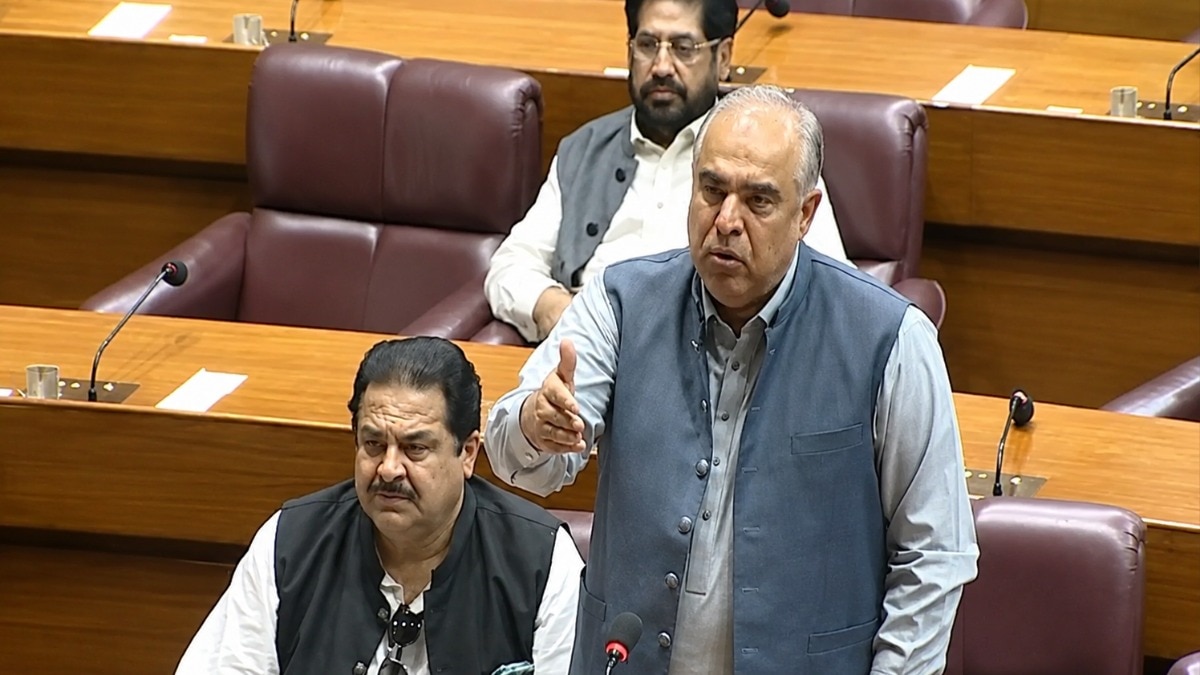
Federal Minister Ahsan Iqbal, serving as the Chairman of the Awards Committee, disclosed this nomination via a post on X. He emphasized that the doctors' commitment to their professional oath was not merely a medical service but a contribution to a monumental historical event. By guarding Jinnah's health status, they inadvertently influenced the geopolitical landscape of South Asia.
A Secret That Shaped Nations
The implications of this medical confidentiality are staggering. According to Minister Iqbal, many historians view this as one of the most consequential secrets of the twentieth century. Had the extent of Jinnah's health decline been public knowledge, the momentum for the creation of Pakistan might have faltered.
Their fidelity to their professional oath inadvertently became a significant contribution to the circumstances that made the creation of Pakistan possible.
The historical weight of this act is echoed by the observations of Lord Mountbatten. The last Viceroy of India had later admitted that if he had known the severity of Jinnah's illness, he might have delayed the Partition process, potentially altering the entire trajectory of the subcontinent's independence.
Why This Matters
BozokMedia analysis shows that this story transcends medical ethics, intersecting with the very foundations of modern nationhood. It highlights how the silent, professional conduct of individuals in the medical field can have unintended but massive repercussions on global political structures and the birth of sovereign states.
At the time, Jinnah was battling tuberculosis, a condition that was incurable in that era. He passed away just a year after the Partition, leaving behind a legacy as the father of the nation. While the names of the two doctors have not yet been officially released, their recognition marks a unique bridge between the medical history of Mumbai and the political history of Pakistan.
Frequently Asked Questions
Question 1: What is the Nishan-e-Imtiaz?
Answer: It is the highest civilian award conferred by the Government of Pakistan.
Question 2: How did Jinnah's illness impact the Partition?
Answer: If the illness had been known, Lord Mountbatten might have delayed the Partition, potentially changing the history of the region.