The United States launched its third straight night of airstrikes against Iran on July 14, 2026, intensifying an already volatile regional conflict. The operation, aimed at curbing Iran's strategic capabilities, has sparked mixed reactions worldwide.
Key Takeaways
- US conducts a third consecutive night of airstrikes on Iranian targets
- Goal is to degrade Iran's regional security and nuclear ambitions
- International response is mixed, with calls for diplomatic de‑escalation
On July 14, 2026, the United States carried out a third successive night of airstrikes against strategic sites in Iran, marking the most sustained military pressure the two nations have faced in recent years. The strikes, following attacks on U.S. assets in the region earlier this year, have further destabilised an already fragile Middle‑East security environment.
Background and Rationale
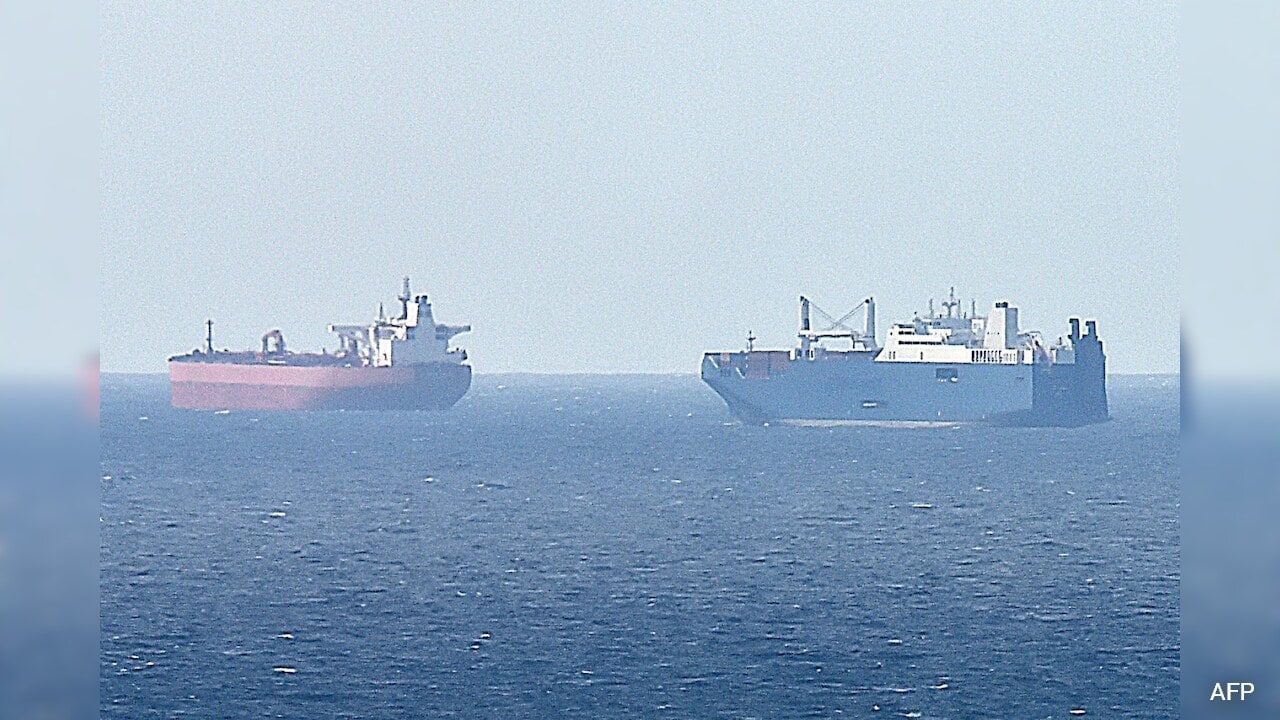
U.S.–Iran relations have been strained for decades over Tehran’s nuclear program, proxy wars in Iraq and Syria, and recent cyber‑espionage incidents targeting U.S. diplomatic missions. In 2025, an Iranian‑backed militia attacked a U.S. naval vessel in the Gulf of Oman, prompting Washington to adopt a more aggressive posture. The Department of Defense stated that the latest strikes target advanced air‑defence installations and suspected missile launch sites, aiming to limit Iran’s ability to project power regionally.
Strategic Implications
By hitting Iran’s air‑defence network, the United States signals that it will not tolerate further escalation of Iranian capabilities. Analysts argue that the operation could pressure Tehran to reconsider its nuclear trajectory, yet it also risks inflaming existing conflicts in Iraq, Syria, and Lebanon, where Iranian‑backed militias are active.
International Reaction
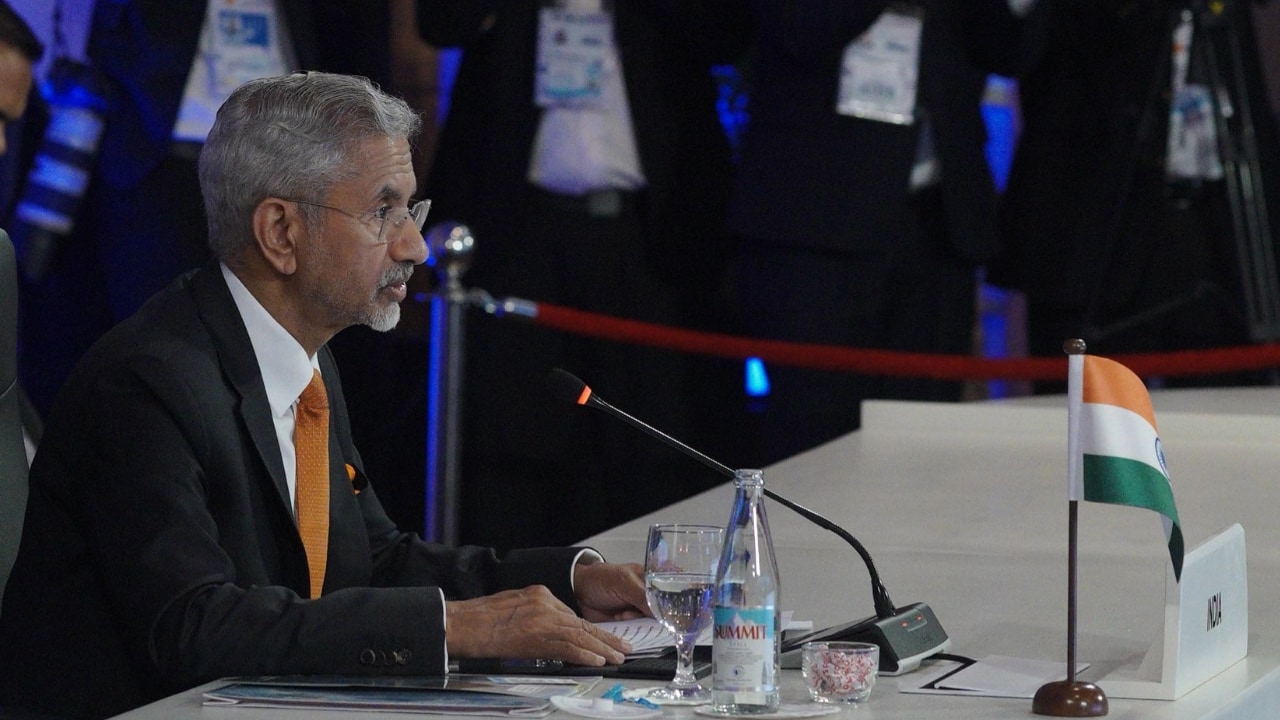
The United Nations convened an emergency session, with many member states urging restraint and diplomatic dialogue. The European Union warned that continued kinetic actions could undermine regional peace, while several Gulf allies expressed support for the U.S. move. Russia and China both called for de‑escalation, emphasizing the danger of a broader confrontation.
Future Outlook
If Washington persists with nightly strikes, Tehran may respond with asymmetric retaliation, potentially targeting U.S. interests in the wider region. Diplomatic tools such as sanctions and inspection regimes have thus far failed to curb Tehran’s ambitions. The long‑term impact on global energy markets, maritime trade routes, and international security remains uncertain, but experts predict a prolonged period of heightened tension.