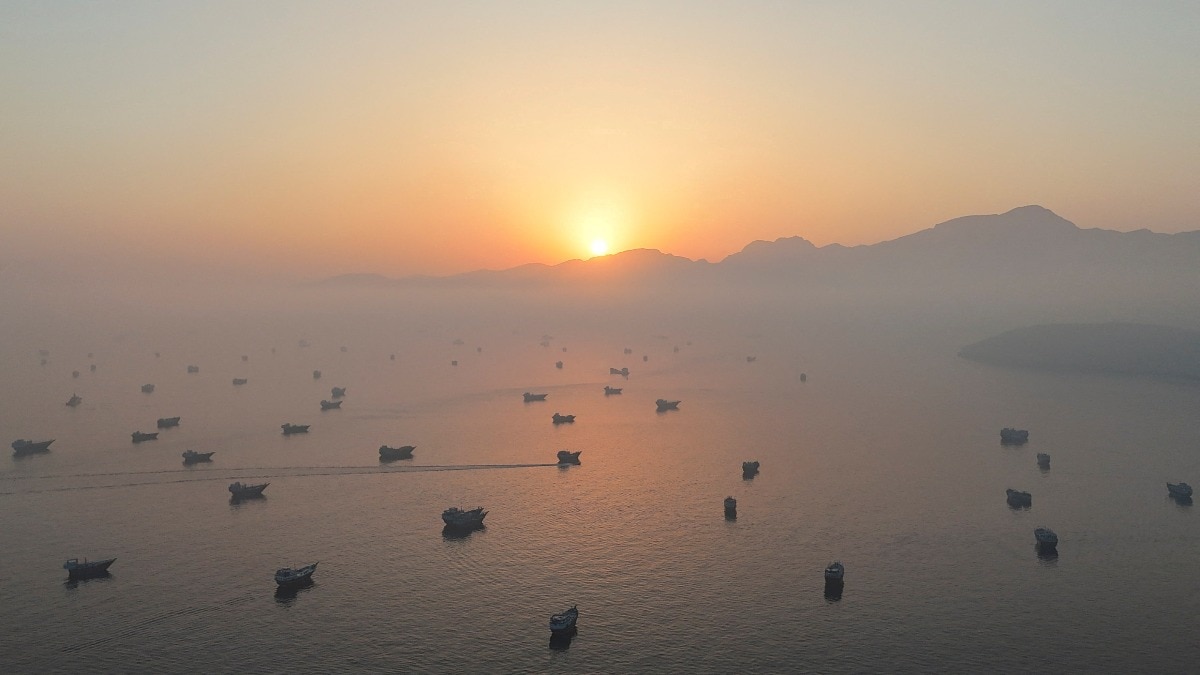
Amidst escalating tensions in the Strait of Hormuz, the United States has deployed a strategic nighttime operation to ensure the safe passage of oil tankers, bypassing regional volatility.
- The US has developed a tactical method to move vessels through the Strait of Hormuz under the cover of darkness.
- This move is designed to minimize detection and interference from Iranian forces.
- Securing global energy supply chains remains the primary objective of this operation.
The Strait of Hormuz has once again become the epicenter of global geopolitical maneuvering. While diplomatic discussions between Iran and Oman continue to fluctuate, the United States has implemented a sophisticated strategic tactic. Reports indicate that the US military is leveraging nighttime operations to facilitate the movement of critical oil tankers through this volatile maritime corridor.
By operating under the cover of darkness, the US aims to mitigate the risks of surveillance and potential interception by Iranian naval assets. This 'stealth-like' approach to commercial maritime security marks a significant shift in how superpower forces manage high-risk transit zones in the Persian Gulf.
Why This Matters
BozokMedia analysis shows that the Strait of Hormuz is the world's most critical maritime chokepoint. Any disruption in this narrow passage can trigger an immediate spike in global crude oil prices, impacting economies from New Delhi to New York. The US move is not just a tactical maneuver but a strategic effort to maintain dominance over global energy security and prevent market volatility caused by regional actors.
The US nighttime transit strategy in Hormuz is a calculated response to regional instability, aimed at neutralizing the threat of maritime blockades.
Historically, the Strait of Hormuz has been a flashpoint for international conflict. Iran's frequent threats to close the strait have sent shockwaves through global markets. The US's decision to utilize specialized nighttime routes demonstrates a proactive rather than reactive stance in safeguarding international waters.
For major energy importers like India, these developments are being monitored with extreme scrutiny. The stability of the oil flow from this region is vital for maintaining domestic economic stability and managing inflation. The success of these US-led operations could provide a much-needed buffer against sudden energy shocks.
Frequently Asked Questions
Question 1: Why is the US conducting operations at night in Hormuz?
Answer: To utilize darkness as a tactical advantage to avoid detection and ensure the safe passage of tankers.
Question 2: How does this impact global oil prices?
Answer: Successful passage ensures supply stability; however, continued tension in the region remains a major risk factor for price hikes.