As Ebola infections spread across an area larger than France, DR Congo prepares for critical vaccine trials targeting the Bundibugyo species. WHO warns that half of the 2,500 deaths occurred in just the last 20 days.
- Ebola infections have spread to an area exceeding the size of France.
- Approximately 50% of the 2,500 total deaths occurred within the last 20 days.
- Clinical trials will use 20,000 doses of Ervebo to test efficacy against the Bundibugyo species.
- Conflict in eastern DRC and M23 rebel restrictions are complicating the medical response.
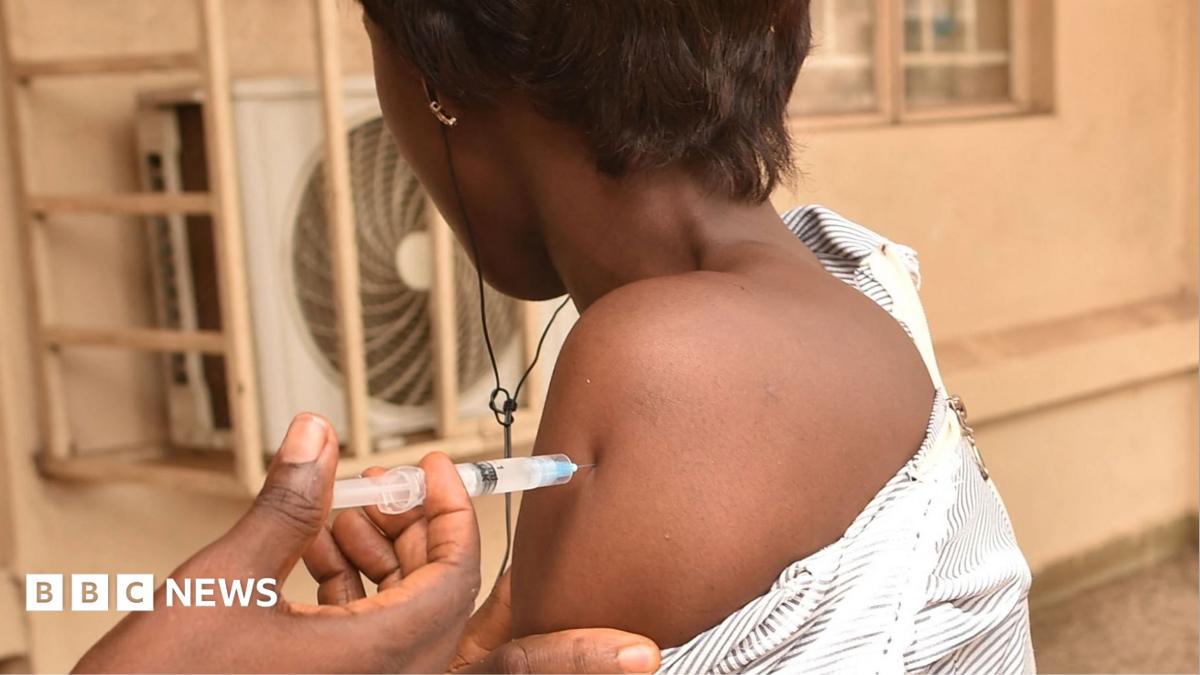
The Democratic Republic of the Congo (DRC) is launching a critical medical intervention as an Ebola outbreak spirals out of control. Health authorities are preparing to roll out vaccine trials to determine if the Ervebo vaccine can effectively combat the Bundibugyo species of the virus, which is currently driving the lethal outbreak.
While Ervebo is proven to protect against the Zaïre species of Ebola, there are currently no established vaccines or treatments specifically for the Bundibugyo variant. The World Health Organization (WHO) has issued a dire warning, stating that the virus is spreading "exponentially," with the infection zone now covering a geographical area larger than France.
Why This Matters
BozokMedia analysis shows that the intersection of a deadly viral outbreak and active armed conflict creates a perfect storm for a humanitarian catastrophe. The inability to distinguish Ebola from common ailments like malaria or typhoid in the early stages, combined with distrust in health authorities, has allowed the virus to gain an insurmountable lead over medical response teams.
The virus is growing faster and wider than the Ebola response.
The scale of the tragedy is immense. Out of the nearly 2,500 recorded deaths, Julien Harneis, the WHO's Ebola co-ordinator, revealed that half of these fatalities occurred in the last 20 days alone. This outbreak is officially the deadliest in the history of the DR Congo and the second-worst globally, following the 2014-2016 West Africa epidemic.
Geopolitical instability is further hindering containment efforts. The M23 rebel group, which controls significant portions of eastern DRC, has imposed strict movement restrictions, including the suspension of shared taxis and boats, following positive Ebola tests in their territory. This underscores the extreme difficulty of managing a public health crisis in a war zone.
Historical Background
Ebola remains one of the most feared pathogens in human history. The Bundibugyo species is particularly rare, with only two previously recorded outbreaks. The current crisis is exacerbated by traditional burial practices and the logistical nightmare of reaching conflict-hit zones, making the planned allocation of 50,000 vaccine doses to frontline workers a vital necessity.
Frequently Asked Questions
Question 1: What is the difference between Zaïre and Bundibugyo Ebola?
Answer: They are different species of the virus; Ervebo is effective against Zaïre, but its efficacy against Bundibugyo is currently being tested.
Question 2: How is the virus transmitted?
Answer: Ebola spreads through direct contact with the blood, secretions, organs, or other bodily fluids of infected people.