Two prominent Hong Kong activists have been convicted of inciting subversion of state power for organizing annual Tiananmen Square vigils.
- Lee Cheuk-yan and Chow Hang-tung convicted under the National Security Law.
- Charges involve inciting others to subvert state power.
- The defendants face up to 10 years in prison; sentencing is pending.
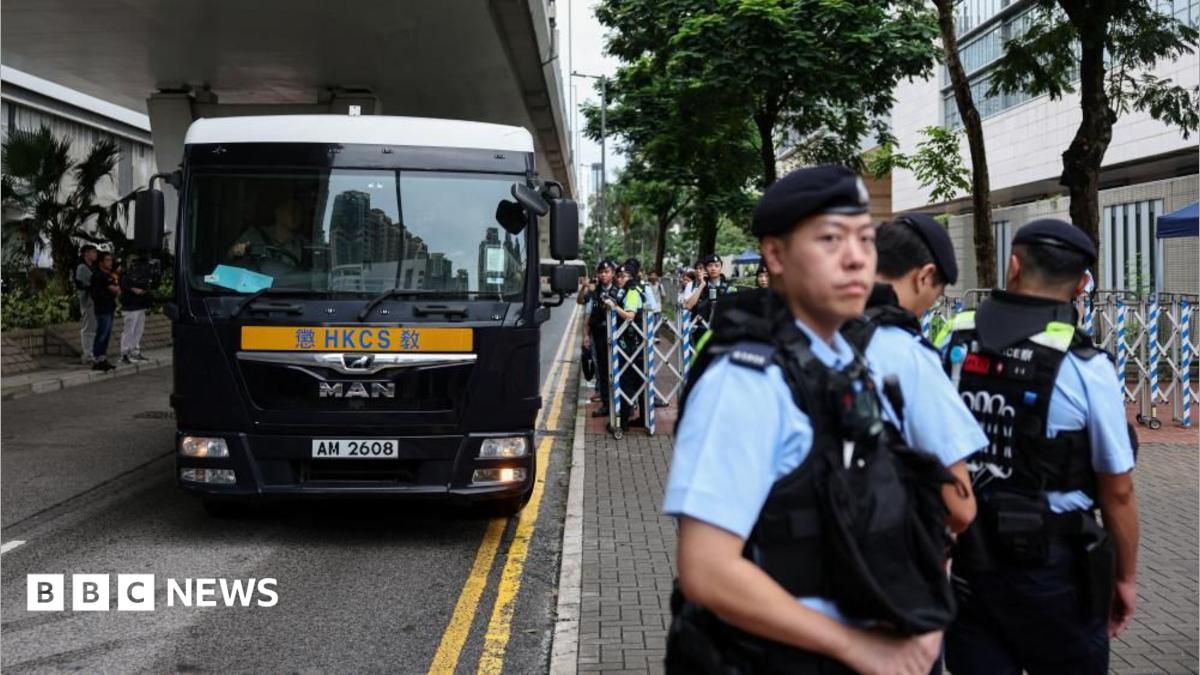
In a landmark ruling, a Hong Kong court has found two prominent activists, Lee Cheuk-yan (69) and Chow Hang-tung (41), guilty of inciting others to subvert state power. The conviction stems from their roles in organizing annual vigils to commemorate the 1989 Tiananmen Square crackdown, a move now criminalized under the city's controversial national security law introduced by China.
Prosecutors argued that the defendants "endangered national security in the name of human rights." During the proceedings, Chow Hang-tung, who represented herself, offered a poignant defense, suggesting that the law itself was on trial rather than the activists. A third defendant, former lawmaker Albert Ho, had previously pleaded guilty in January.
Historical Background
For over three decades, Hong Kong served as a rare sanctuary within Chinese territory where citizens could gather to honor the victims of the 1989 pro-democracy protests in Beijing. The Hong Kong Alliance (HKA), founded in May 1989, was the driving force behind these commemorations, calling for accountability and democratic reforms. However, the landscape shifted drastically in 2020 when authorities banned these gatherings, citing COVID-19 restrictions, coinciding with the implementation of the sweeping National Security Law.
Why This Matters
BozokMedia analysis shows that this verdict signals the near-total dismantling of organized political dissent in Hong Kong. By criminalizing the act of remembrance, the legal framework effectively closes the window for historical reflection and political advocacy that diverges from the central government's narrative.
The use of vague subversion laws marks a fundamental shift from protecting security to policing memory.
Human rights organizations, including Amnesty International, have slammed the verdict. They argue that the case relies on "vague, overly broad and arbitrary definitions of subversion," which allows the state to interpret peaceful commemoration as a direct threat to national stability.
Frequently Asked Questions
1. What is the maximum penalty for these activists?
The defendants face a maximum sentence of 10 years in prison.
2. Why were the vigils banned in Hong Kong?
While authorities initially cited COVID-19 policies in 2020, the ban aligned with the implementation of the National Security Law which restricts dissenting acts.