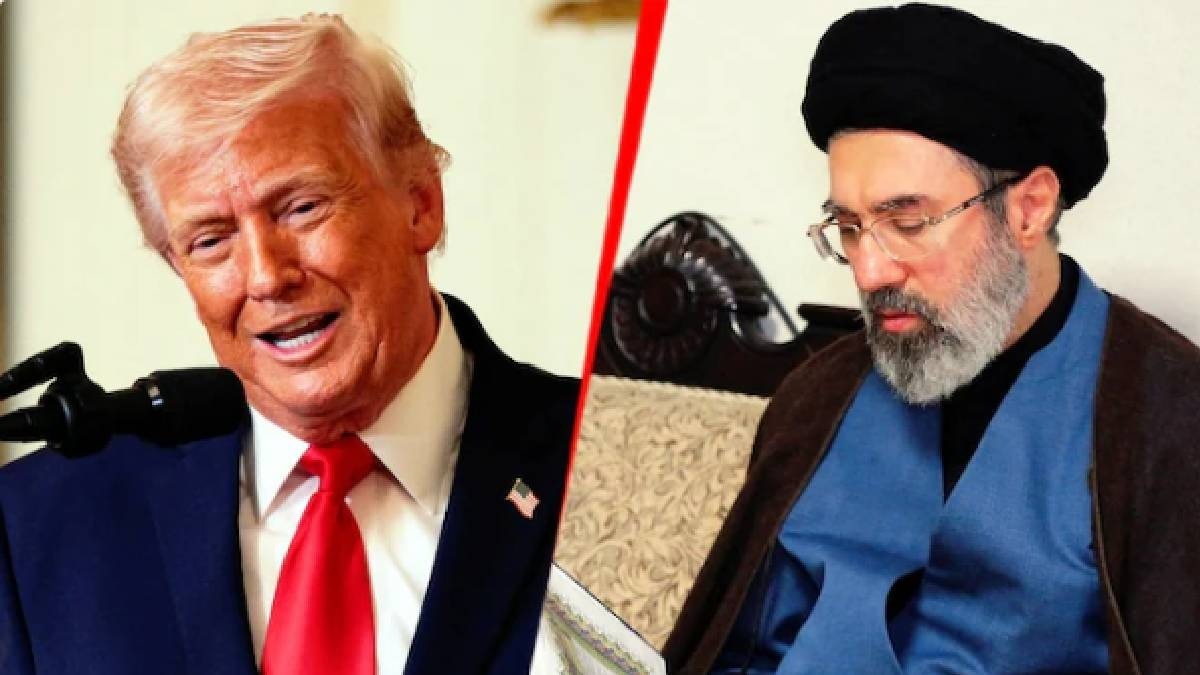
Iranian President Masoud Pezeshkian has suggested that Tehran should aim to conclude the ongoing Middle East tensions while maintaining a 'position of power.' The statement has provided a moment of calm in global oil markets.
- President Pezeshkian emphasized ending conflict from a position of strategic strength.
- Iran claims to be in a dominant position regarding regional negotiations.
- Global oil prices remained stable following the President's remarks.
In a significant diplomatic shift, Iranian President Masoud Pezeshkian has stated that it is strategically better for Iran to end the current Middle East tensions while the nation remains in a 'position of power.' This assertion comes amid heightened volatility in the region and ongoing friction with the United States and its allies.
Pezeshkian’s rhetoric suggests that Iran is not looking for a surrender but is seeking a settlement that reflects its current regional influence. By claiming a position of strength, the Iranian leadership is signaling to the international community that any future ceasefire or peace agreement must be negotiated on terms that favor Tehran's long-term security and geopolitical interests.
Why This Matters
BozokMedia analysis shows that this stance represents a sophisticated blend of brinkmanship and diplomacy. Rather than pursuing endless escalation, Iran is attempting to leverage its current military and regional proxy capabilities to secure a favorable political outcome, potentially reshaping the power dynamics of West Asia.
Iran is attempting to transition from a strategy of pure resistance to one of strategic settlement.
The economic implications of this statement were immediate. Following the news that Tehran seeks an end to the war soon, global oil prices saw minimal fluctuation. Traders interpreted the President's words as a potential de-escalation signal, reducing the immediate risk premium associated with Middle Eastern supply disruptions.
Historical Background
The geopolitical landscape of the Middle East has been defined by the long-standing rivalry between Iran and the United States. From the 1979 Revolution to the current regional proxy conflicts, the struggle for influence has kept the region in a state of perpetual tension, impacting global energy security and international diplomacy.
Frequently Asked Questions
Question 1: What does 'position of power' mean in this context?
Answer: It refers to Iran's desire to conclude hostilities only when it holds sufficient leverage to dictate terms in a peace process.
Question 2: How did the market react to the President's statement?
Answer: The oil market reacted with stability, as the prospect of an earlier end to the conflict reduced fears of sudden supply shocks.