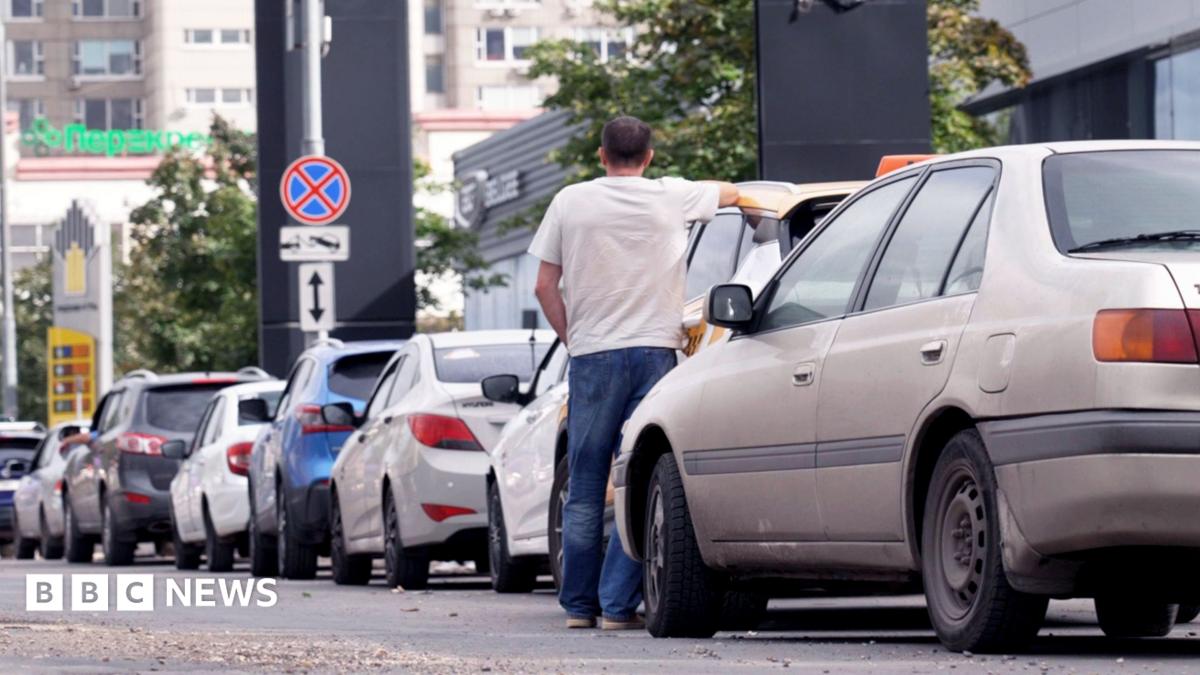
As the United States intensifies economic sanctions, Iranian families are struggling to afford basic necessities, leading to a growing humanitarian concern. The rising cost of living is pushing millions toward poverty.
- Escalating US sanctions are driving hyperinflation across Iran.
- Basic necessities like food, medicine, and clean water are becoming unaffordable for many.
- The economic squeeze is disproportionately affecting the most vulnerable demographics.
The economic landscape in Iran has reached a breaking point as the United States continues to ratchet up economic warfare through stringent sanctions. What began as a geopolitical tool has transformed into a direct struggle for survival for millions of Iranian families. The cost of living has soared to unprecedented levels, making even the most basic goods a luxury for many citizens.
In major urban centers like Tehran, the reality of economic warfare is visible on every street corner. Families are reporting extreme difficulty in purchasing essential foodstuffs, hygiene products, and life-saving medications. The rapid devaluation of the Iranian Rial has decimated the purchasing power of the average household, leaving a massive gap between wages and the cost of survival.
Why This Matters
BozokMedia analysis shows that the intersection of aggressive foreign policy and economic isolation creates a vacuum where humanitarian needs are often sidelined. When a nation's financial arteries are constricted, the impact ripples through every sector, from healthcare to education, creating a systemic collapse that affects generations.
Economic sanctions, while intended to pressure governments, often function as a blunt instrument that inflicts profound suffering on civilian populations.
The crisis is compounded by the disruption of international banking channels, which makes it nearly impossible for even legitimate humanitarian organizations to facilitate the flow of essential goods into the country. This isolation has created a domestic market characterized by scarcity and predatory pricing.
Historically, Iran has navigated various waves of international pressure, but the current regime of sanctions is uniquely comprehensive. By targeting the energy sector and the central banking system, the measures have effectively crippled the nation's ability to engage in global trade, further fueling domestic instability.
Frequently Asked Questions
1. What is causing the sudden spike in prices in Iran?
The primary driver is the combination of heavy US sanctions and the resulting rapid devaluation of the local currency.
2. How are these sanctions affecting healthcare?
Sanctions make importing specialized medicines and medical equipment extremely difficult and expensive, directly impacting patient care.