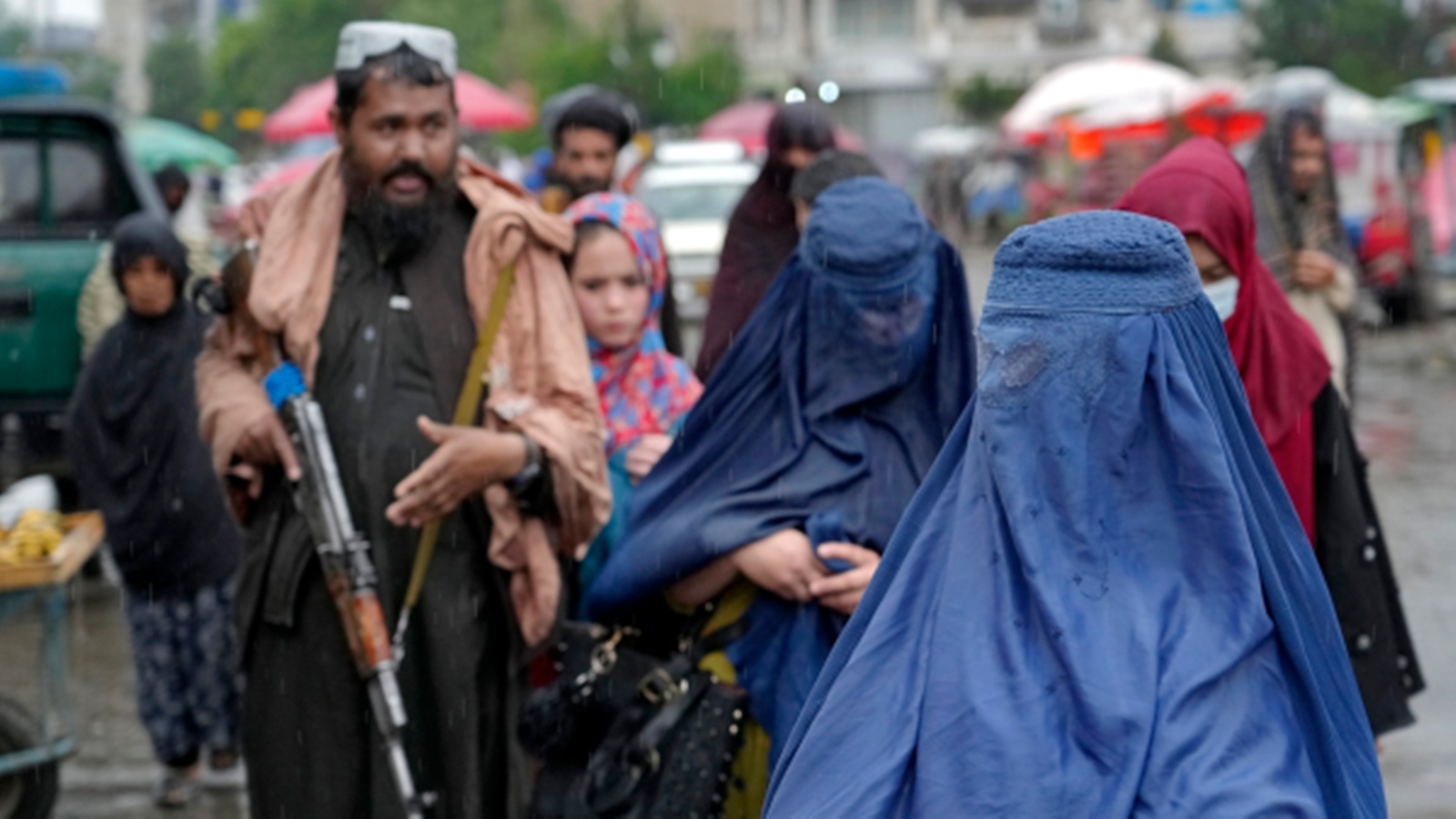
A poignant narrative of an Afghan refugee in Delhi learning to ride a bicycle, symbolizing the broken dreams of millions of girls under Taliban rule.
- Taliban rule in Afghanistan has systematically stripped women of education and basic freedoms.
- A 34-year-old Afghan refugee in Delhi is learning to ride a bicycle to honor her grandmother's unfulfilled dream.
- UNESCO reports over two million Afghan girls are facing a future without classrooms.
In the sweltering 45-degree heat of Delhi, Laila (a pseudonym) is not just battling the sun; she is battling the weight of history. Every time she wobbles on her bicycle, she feels the presence of her grandmother, Bibi Jan, and the collective wishes of millions of Afghan girls who were forced to stop dreaming when the Taliban reclaimed Kabul in August 2021.
A Legacy of Unfinished Dreams
The story begins with the traditional Afghan opening, "Yeki bood, yeki na bood"—once there was, and once there was not. For Laila, a refugee living in Delhi for nearly a decade, the "not" refers to the life she left behind. Her grandmother’s memory serves as a haunting reminder of a time when riding a bicycle was a forbidden luxury for girls in rural villages. "I always watched them from a distance," Bibi Jan had shared during a poignant phone call, "I didn’t have the courage to ask."
Why This Matters
BozokMedia analysis shows that personal narratives like Laila's are crucial in understanding the human cost of geopolitical shifts. While international headlines focus on policy and sanctions, the lived reality of refugees involves reclaiming small, fundamental human dignities—like the simple act of balancing on two wheels—that were stripped away by extremist ideologies.
The pain of falling is never as heavy as the regret of not trying.
As of 2026, the crisis in Afghanistan has reached a grim milestone. UNESCO has warned that over two million Afghan girls will have spent their entire adolescence outside the classroom. The ban on education is not just a policy; it is a systematic erasure of female potential.
Historical Context: Five Years of Silence
Since the Taliban's return to power, the landscape for women in Afghanistan has transformed from one of gradual progress to one of severe restriction. What were once standard rights—attending school, working, or even moving freely in public—have become acts of defiance. For many, the price of seeking freedom is public flogging or forced marriage, making the simple pursuit of a hobby like cycling a profound act of rebellion.
Frequently Asked Questions
Question 1: How many girls in Afghanistan are currently out of school?
Answer: According to UNESCO, over two million Afghan girls are expected to have spent their adolescence without access to formal education due to the ban.
Question 2: What does the bicycle symbolize in this story?
Answer: The bicycle symbolizes the unfinished dreams of the older generation and the reclaiming of agency and freedom by the younger generation of Afghan women.