Mohsen Rezaei, the new head of Iran's Supreme National Security Council, has warned that Iran will target oil-shipping routes and the interests of any neighboring countries that join the U.S. economic war against Tehran.
- Mohsen Rezaei, Iran's new top security official, has issued a stern warning against neighbors siding with U.S. economic measures.
- Iran threatens to target alternative oil-shipping routes in the Persian Gulf to retaliate against economic pressure.
- The statement comes amid President Donald Trump's vow to impose unprecedented economic warfare on Iran.
- Egypt is actively attempting to mediate and revive negotiations between Tehran and Washington.
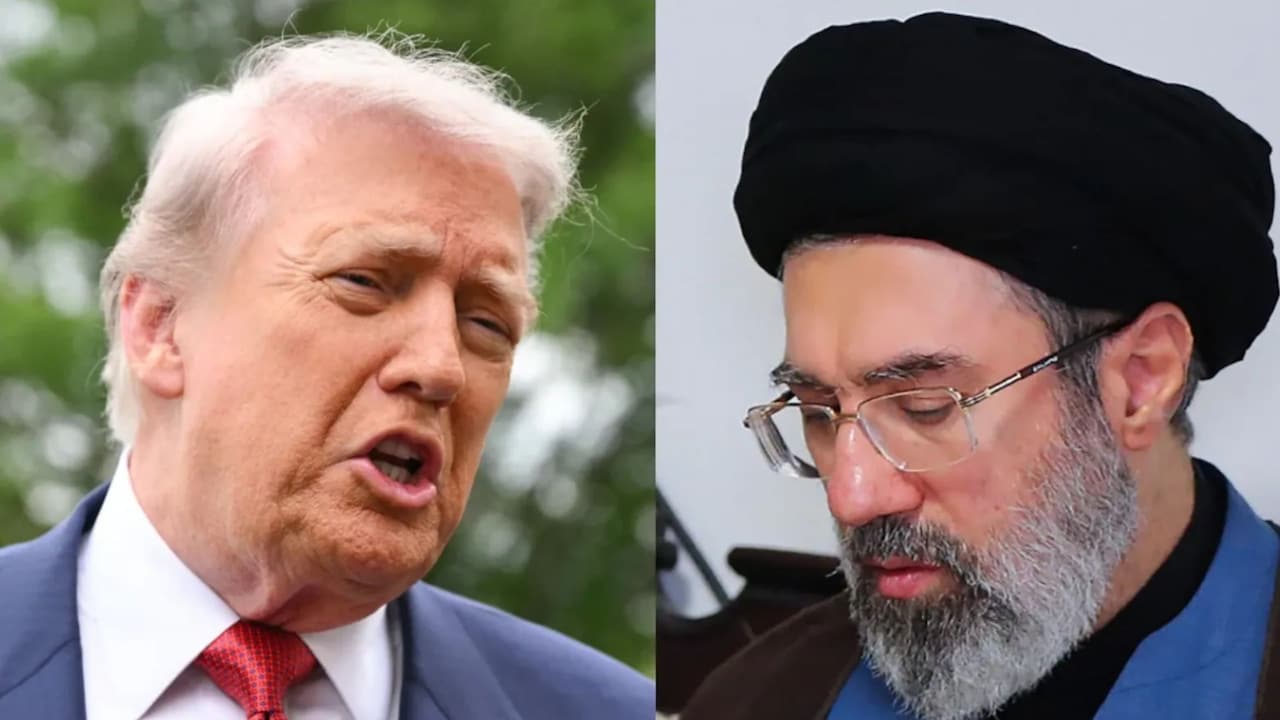
In a significant escalation of regional tensions, Mohsen Rezaei, the newly appointed leader of Iran's Supreme National Security Council, has issued a direct threat to Iran's neighbors. Speaking in an interview with the state broadcaster, Rezaei warned that any nation joining the United States in its efforts to squeeze the Iranian economy would be viewed as an enemy, and their strategic interests would be targeted.
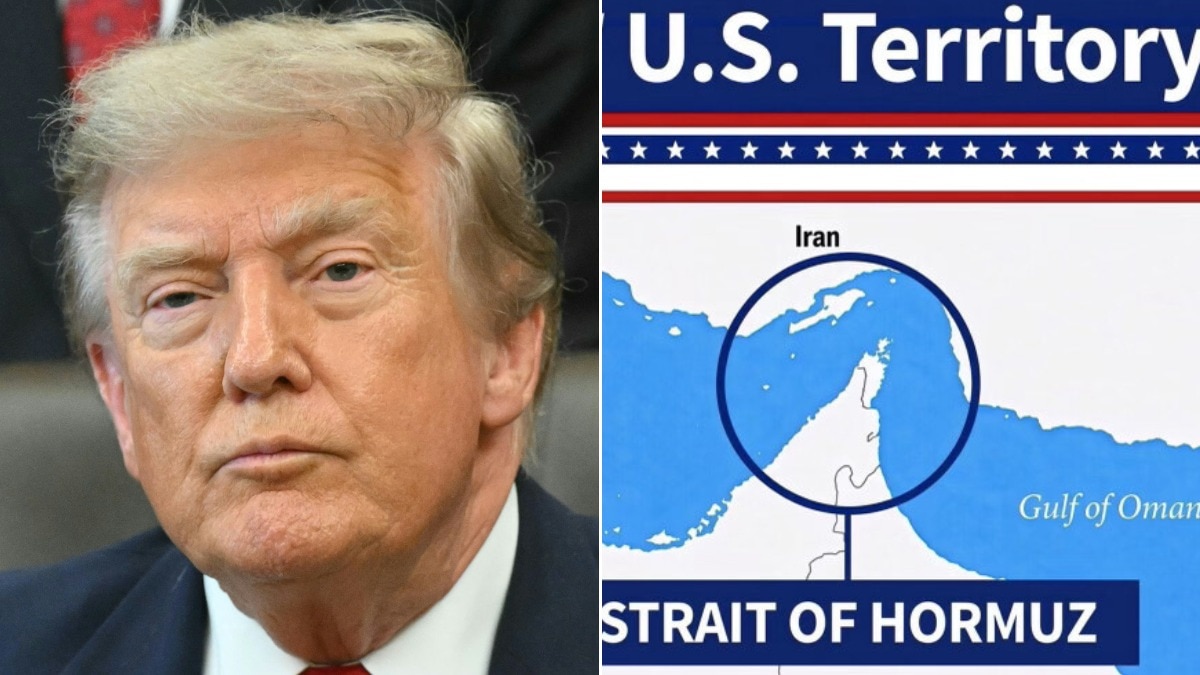
Rezaei specifically highlighted that Iran would target oil-shipping routes exiting the Persian Gulf—specifically those serving as alternatives to the Strait of Hormuz. This move is seen as a direct response to the aggressive economic policy of U.S. President Donald Trump, who has pledged to implement an "unprecedented" level of isolation and economic warfare against the Islamic Republic.
Why This Matters
BozokMedia analysis shows that these threats place the global energy market on a knife-edge. By threatening alternative shipping routes, Iran is signaling its intent to disrupt not just the primary chokepoint of the Strait of Hormuz, but the entire maritime logistics of the Persian Gulf, potentially triggering a global oil price surge.
"The expansion of Iran's threat landscape to include alternative shipping routes marks a dangerous shift in regional maritime security strategy."
While the security rhetoric intensifies, diplomatic channels remain active. Egypt is playing a pivotal role in trying to de-escalate the situation. Iranian Foreign Minister Abbas Araghchi and Egyptian Foreign Minister Badr Abdelatty have held discussions aimed at bringing both Tehran and Washington back to the negotiating table to resolve the ongoing conflict.
The geopolitical landscape remains highly volatile. While Iran navigates economic warfare, Israel continues its military operations in Syria and Gaza. Furthermore, Rezaei's appointment is widely interpreted by international analysts as a move by Tehran to harden its political and military stance in the face of increasing pressure from both the U.S. and its allies.
Frequently Asked Questions
1. What is Iran's response to U.S. economic sanctions?
Iran, through its security chief, has threatened to retaliate in a "seismic manner" by targeting the interests of neighbors and oil shipping routes if they join the U.S. economic war.
2. Is there any diplomatic effort to stop the conflict?
Yes, Egypt is currently working to facilitate negotiations between Iran and the United States to find a peaceful resolution.