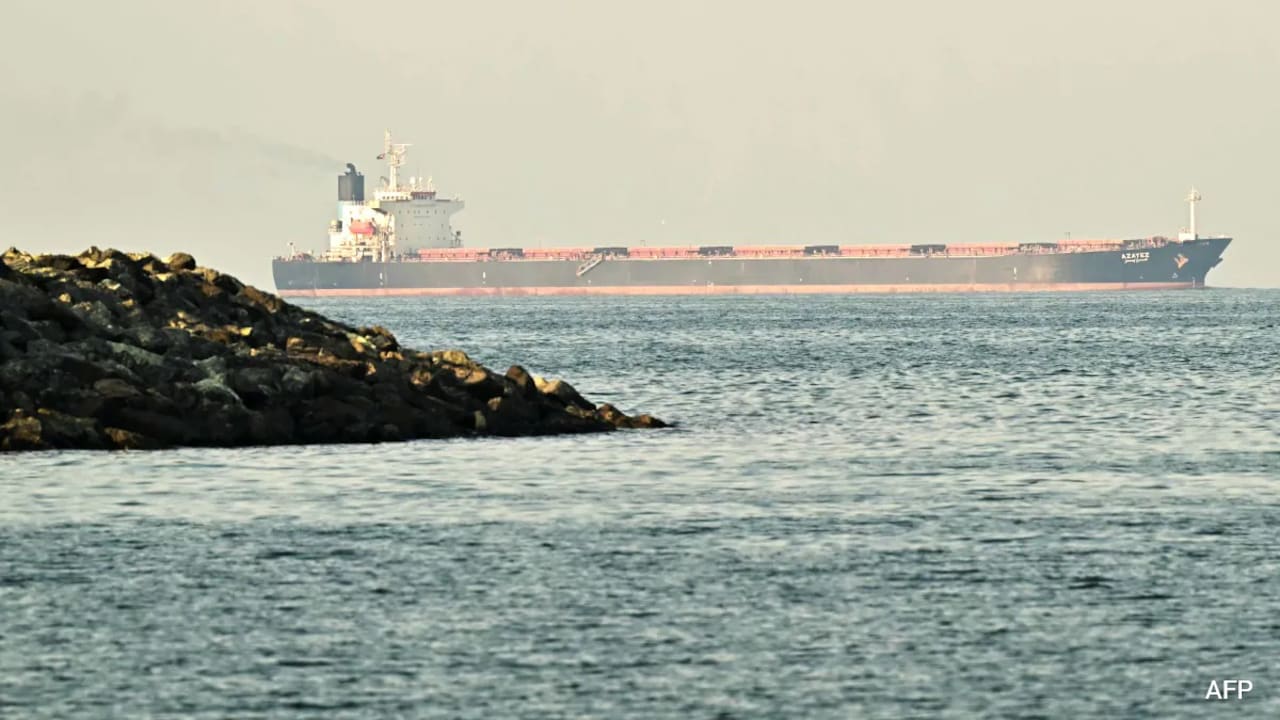
Amidst rising tensions with Iran, a secret US-led corridor and the strategic use of 'dark tankers' are ensuring the continuous flow of oil through the Strait of Hormuz, preventing a global price surge.
- Oil flow through the Strait of Hormuz remains steady despite threats from Iran.
- The United States has deployed a covert corridor and 'dark tankers' to maintain energy supplies.
- Over 15 million barrels of oil have been successfully transported with US Navy assistance.
The Strait of Hormuz, one of the world's most sensitive maritime chokepoints, has become the stage for a high-stakes covert operation. Despite persistent threats from Iran to close the strait, the United States has implemented a stealth strategy to keep global oil supplies moving. Central to this operation are 'dark tankers'—vessels that obscure their identity and movements to evade detection and sanctions.
Recent data indicates that while ship crossings in the Hormuz region have hovered in single digits, the movements that do occur are highly strategic. According to US Energy Secretary Chris Wright, more than 15 million barrels of oil have been moved through the corridor with the direct assistance of the US Navy. This operation serves as a critical buffer against the volatility that would otherwise devastate global energy markets.
Why This Matters
BozokMedia analysis shows that any total blockage of the Strait of Hormuz would trigger an immediate and catastrophic spike in global oil prices. The use of 'dark tankers' is a complex geopolitical tool; while it ensures energy security, it also challenges international maritime transparency and regulatory frameworks. The US's secret corridor has essentially become a vital lifeline for the global economy.
The rise of 'dark tankers' in Hormuz marks the beginning of a new, complex era in global energy security and maritime warfare.
Historically, the Strait of Hormuz has been a flashpoint for global conflict. As a primary artery for the world's energy, any disruption impacts not just regional economies but the industrial stability of Asia and Europe. The ongoing tension with Iran has consistently placed this narrow waterway under the microscope of global security experts.
In the current landscape, the role of the United States has transitioned from a mere regulator to an active protector of maritime commerce. The tactical deployment of stealth-enabled tankers demonstrates how modern economic warfare is being fought through shadows, information gaps, and covert logistical maneuvers rather than direct military confrontation.
Frequently Asked Questions
Q1: What defines a 'dark tanker'?
A: A 'dark tanker' is a vessel that intentionally disables its Automatic Identification System (AIS) to hide its location, ownership, or cargo details.
Q2: How does the US Navy assist in these operations?
A: The US Navy provides tactical protection and surveillance to ensure these tankers can navigate the strait without being intercepted or targeted.