In a defiant move, Canadian PM Mark Carney has announced 'dollar-for-dollar' retaliatory tariffs starting September 8 following massive levies imposed by the Trump administration. The trade war marks a fundamental shift in Canada-US relations.
- PM Mark Carney announced 'dollar-for-dollar' retaliatory duties on US goods effective September 8.
- The move follows US President Donald Trump's 50% levy on $20 billion worth of Canadian exports.
- Affected sectors include dairy, steel, electronics, and agricultural equipment.
- The breakdown of talks threatens the stability of the USMCA trade agreement.
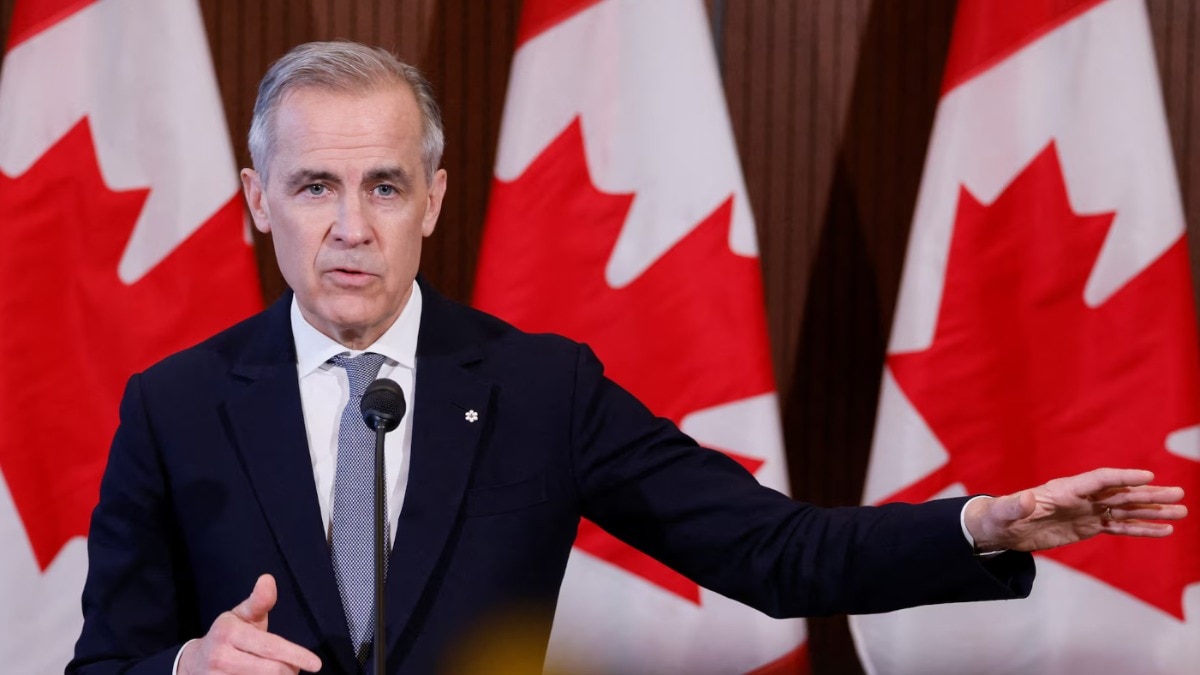
In a high-stakes escalation of a brewing trade war, Canadian Prime Minister Mark Carney announced on Saturday that Canada will impose "dollar-for-dollar" retaliatory tariffs on American goods starting September 8. The defiant declaration came after US President Donald Trump imposed massive 50 percent levies on approximately USD 20 billion worth of Canadian products. "You're at war when you're attacked, and we got attacked," Carney stated during a televised address.
The Canadian counter-tariffs are set to target a wide array of American sectors, including dairy, steel, household appliances, farming equipment, electronics, and pulp and paper. This comes as a direct response to the US tariffs that impact roughly 5 percent of Canada's total annual exports to the United States. The conflict has moved beyond mere economics into the realm of national sovereignty.
Why This Matters
BozokMedia analysis shows that this confrontation represents a tectonic shift in North American geopolitics. For decades, the US and Canada have maintained a highly integrated economic relationship. However, the collapse of recent negotiations suggests that the era of predictable trade cooperation is ending, replaced by a more transactional and aggressive stance from Washington.
"We're not going back to the old relationship. We recognize that sometimes, [America's] signature is written in pencil," Prime Minister Carney remarked.
The breakdown in negotiations occurred despite over a year of discussions between Canadian Minister Dominic LeBlanc and US official Jamieson Greer. Carney accused the Trump administration of moving the goalposts at the final hour, proposing terms that would have restricted Canada's ability to negotiate independent trade deals and weakened protections for its national culture and language.
The economic implications are massive. According to Canada's State of Trade 2026 report, over 70 percent of Canadian goods exports are destined for the US. With trade in goods and services accounting for two-thirds of Canada's GDP, this trade war threatens the livelihoods of millions of Canadians who depend on cross-border commerce.
| Feature | US Action | Canada's Response |
|---|---|---|
| Tariff Rate | 50% on $20B goods | Dollar-for-dollar retaliation |
| Key Sectors | Industrial goods, various | Dairy, Steel, Electronics, Agriculture |
| Effective Date | Immediate (Saturday) | September 8 |
Frequently Asked Questions
1. What sectors will be hit by Canada's retaliatory tariffs?
The tariffs will target US dairy, steel, electronics, farming equipment, and household appliances.
2. How does this affect the USMCA agreement?
The collapse of talks casts significant uncertainty on the future of the USMCA, the trilateral trade pact between the US, Canada, and Mexico.