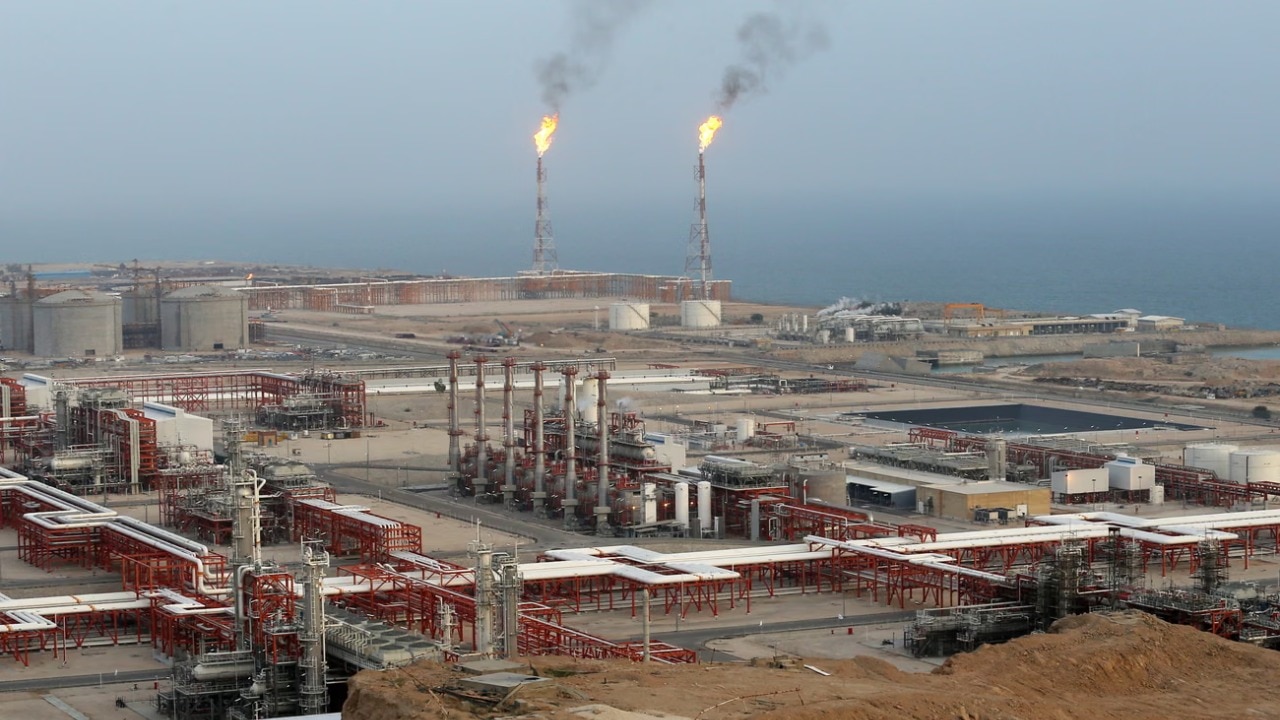
Iran has announced the discovery of 7.5 trillion cubic feet of natural gas in Fars Province. However, ongoing US sanctions and military conflicts threaten the development of this massive resource.
- Iran discovered over 7.5 trillion cubic feet of natural gas south of Fars Province.
- US blockade and ongoing conflict are severely limiting energy exports.
- A previous discovery in October 2025 yielded 10 trillion cubic feet of gas and 200 million barrels of oil.
- Production from the new field is expected to begin in approximately 40 months.
In a significant move for its energy sector, Iran has announced the discovery of more than 7.5 trillion cubic feet of natural gas. Oil Minister Mohsen Paknejad confirmed on Sunday that the find is located in a field south of the Fars Province. This discovery bolsters Iran's position as a global energy heavyweight, even as the nation grapples with intense geopolitical pressures.
The timing of this discovery is critical. Iran is currently navigating a complex landscape of war, international sanctions, and a stringent US blockade. While the reserves are vast, the ability to extract and commercialize them remains highly uncertain due to the lack of access to modern technology and foreign investment.
Why This Matters
BozokMedia analysis shows that while these reserves offer long-term economic hope, the immediate reality for Tehran is a struggle for liquidity. The US blockade, reimposed on July 13 after the collapse of a peace agreement, aims to choke Iran's primary source of hard currency: oil and gas exports. Without a diplomatic breakthrough, these new reserves may remain trapped underground.
The gap between resource wealth and resource exploitation is widening due to technological isolation and maritime blockades.
This announcement follows a major find in October 2025 at the Pazan field, which identified 10 trillion cubic feet of gas and 200 million barrels of crude oil. The current discovery is expected to yield about 7 trillion cubic feet of recoverable gas, with production slated to commence in roughly 40 months.
Economic Resilience vs. Export Pressure
Despite the volatility, Iran has shown some economic resilience. Recent data indicates that Tehran transferred $7.5 billion in oil-related foreign currency to its central bank during the first four months of the Iranian year—a 50% increase from 2025. However, the recent tightening of the blockade has caused a visible decline in supertanker activity through the Strait of Hormuz.
| Metric | New Discovery (Fars South) | October 2025 Discovery |
|---|---|---|
| Gas Reserves | 7.5 Trillion Cubic Feet | 10 Trillion Cubic Feet |
| Crude Oil | Not Specified | 200 Million Barrels |
| Estimated Production Start | ~40 Months | Undisclosed |
The Strait of Hormuz remains the ultimate choke point. As a vital artery for 20% of the world's oil and LNG, any closure or restriction in this waterway has immediate, massive implications for global energy prices and supply chains.
Frequently Asked Questions
Question 1: How will the US blockade affect Iran's new gas discovery?
Answer: The blockade limits Iran's ability to export energy, meaning the new gas cannot be easily sold on the global market to generate revenue.
Question 2: What is the significance of the Fars Province discovery?
Answer: It adds to Iran's massive existing reserves, potentially securing its energy future if political tensions ease.