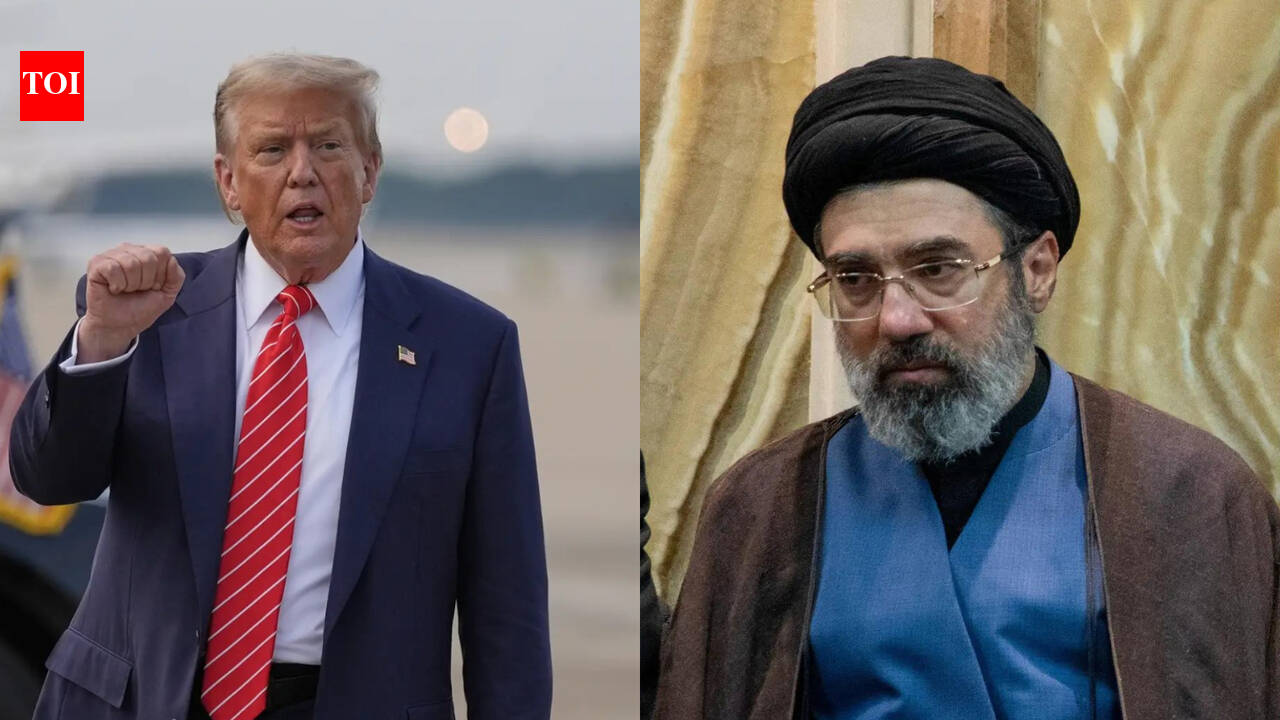
Tehran has issued a high-stakes warning to the global community, stating that any nation participating in Donald Trump's proposed 'economic war' against Iran will be considered a hostile enemy.
- Iran has responded aggressively to threats of new US economic sanctions.
- Tehran warned that nations aligning with the Trump administration's economic offensive will face enmity.
- Gulf states are facing heightened anxiety due to the potential for regional escalation.
In a move that has sent shockwaves through the international diplomatic community, Iran has issued a blunt warning regarding the potential economic strategies of the incoming Donald Trump administration. Tehran has explicitly stated that any country participating in what it describes as an 'economic war' against the Islamic Republic will be classified as an enemy of the state.
This escalation follows recent signals from the Trump camp regarding an 'economic D-Day' aimed at crippling Iran's financial infrastructure. Iranian officials have characterized these proposed measures as the actions of a 'desperate' United States, asserting that the nation is well-acquainted with the pressures of sanctions and remains resilient against such maneuvers.
Why This Matters
BozokMedia analysis shows that this tension is not merely a bilateral dispute but a systemic threat to global energy markets. A full-scale economic war could trigger volatility in crude oil prices, impacting economies far beyond the Middle East. The geopolitical landscape is shifting as nations are forced to choose sides between Washington's economic hegemony and Tehran's regional influence.
The rhetoric from Tehran suggests a shift from defensive diplomacy to a proactive stance of retaliation against any nation facilitating US sanctions.
The primary concern lies with the Gulf States. Nations such as Saudi Arabia and the UAE find themselves in a precarious position, balancing their vital security partnership with the United States against the need for regional stability and economic continuity with Iran. Any disruption in the Strait of Hormuz or significant shifts in trade policy could have catastrophic consequences for global commerce.
Historical Background
The adversarial relationship between Iran and the United States has been a defining feature of Middle Eastern geopolitics for decades, dating back to the 1979 Islamic Revolution. The tension has been periodically exacerbated by disputes over Iran's nuclear program and the subsequent withdrawal from the JCPOA during the first Trump presidency, which ushered in the 'Maximum Pressure' era.
Frequently Asked Questions
1. What is the 'Economic D-Day' mentioned by Trump?
It refers to a proposed massive campaign of economic sanctions intended to isolate Iran's economy and force political concessions.
2. How might this affect global oil prices?
Increased tensions and potential sanctions on Iranian oil exports could lead to supply shortages and significant price hikes globally.