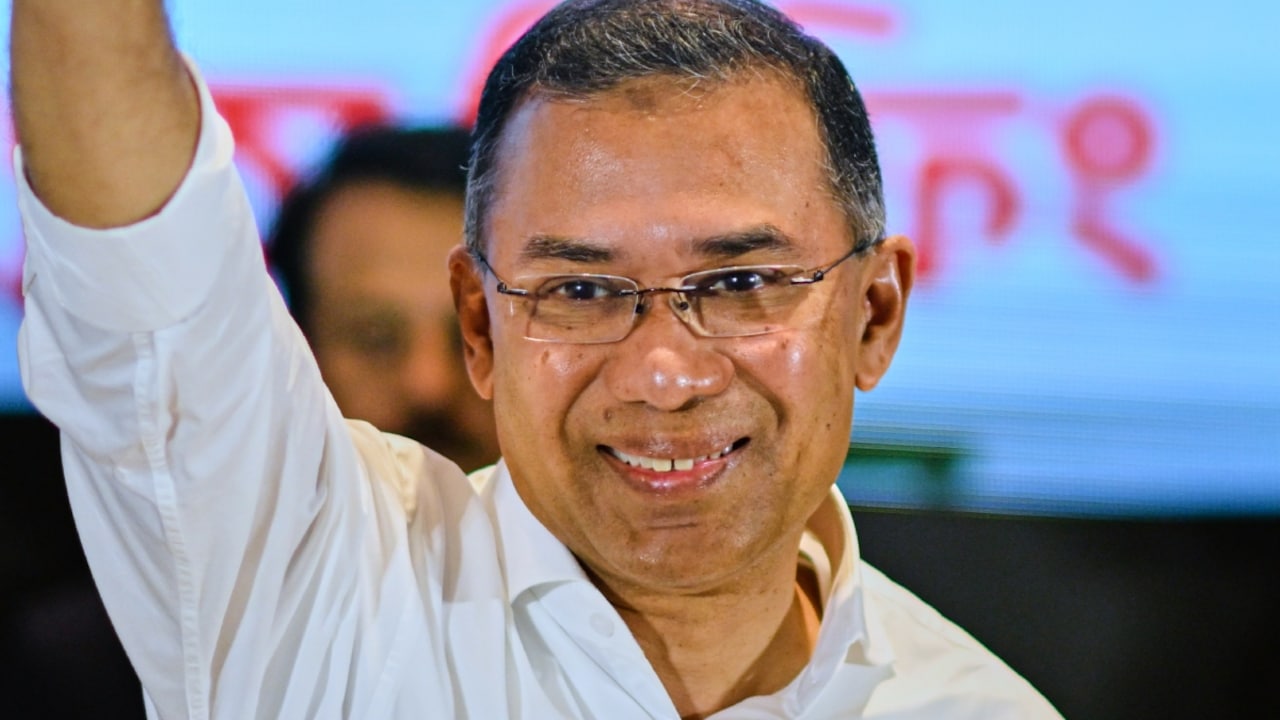
In a high-stakes diplomatic move, Pakistan Army Chief Asim Munir is visiting Tehran to spearhead efforts to restart the stalled US-Iran peace process. The visit comes amid rising regional tensions and threats of economic warfare.
- General Asim Munir will engage in high-level talks with Iranian leadership in Tehran.
- Islamabad aims to act as a guarantor to revive the collapsed US-Iran peace MoU.
- The mission faces hurdles due to renewed military strikes and economic threats from the US.
- Global energy security is at risk due to disruptions in the Strait of Hormuz.
Pakistan Army Chief General Asim Munir is scheduled to arrive in Tehran on Monday for critical discussions regarding bilateral and regional security issues. According to the Iranian Foreign Ministry, the visit is a strategic attempt by Islamabad to reposition itself as a key mediator in the fractured US-Iran diplomatic landscape.
The diplomatic mission follows the collapse of an interim peace agreement last month. Pakistan had previously acted as a guarantor for a Memorandum of Understanding (MoU) signed in June, which was designed to facilitate a 60-day window for high-level peace talks. However, escalating military strikes between the US and Iran in mid-July effectively dismantled this fragile progress.
Why This Matters
BozokMedia analysis shows that Pakistan's involvement is a calculated move to prevent total regional destabilization. While Islamabad seeks to bolster its regional standing, the geopolitical environment is increasingly hostile. The success of this mediation hinges on navigating the aggressive economic stance of the US and the hardline security policies within Iran.
The revival of the US-Iran dialogue is essential to prevent a full-scale regional war that could paralyze global energy markets.
A significant factor complicating these negotiations is the Strait of Hormuz. Since the conflict intensified following joint US-Israeli attacks on Iran in February, shipping through this vital chokepoint has been severely disrupted. Given that nearly one-fifth of the world's energy supplies transit through this area, any prolonged tension has massive global economic implications.
Historical Background
The current diplomatic deadlock traces back to the June MoU, which intended to create a roadmap for peace in West Asia. The process was intended to de-escalate tensions through structured dialogue but was derailed by sudden military escalations. Currently, the situation is further complicated by US President Donald Trump's recent warnings of 'crushing economic operations' against Tehran.
Frequently Asked Questions
1. What is the primary goal of Asim Munir's visit?
To strengthen Pakistan-Iran ties and facilitate a restart of the stalled peace talks between the US and Iran.
2. Why did the previous peace agreement fail?
The agreement collapsed due to renewed military strikes and heightened tensions in West Asia during July.