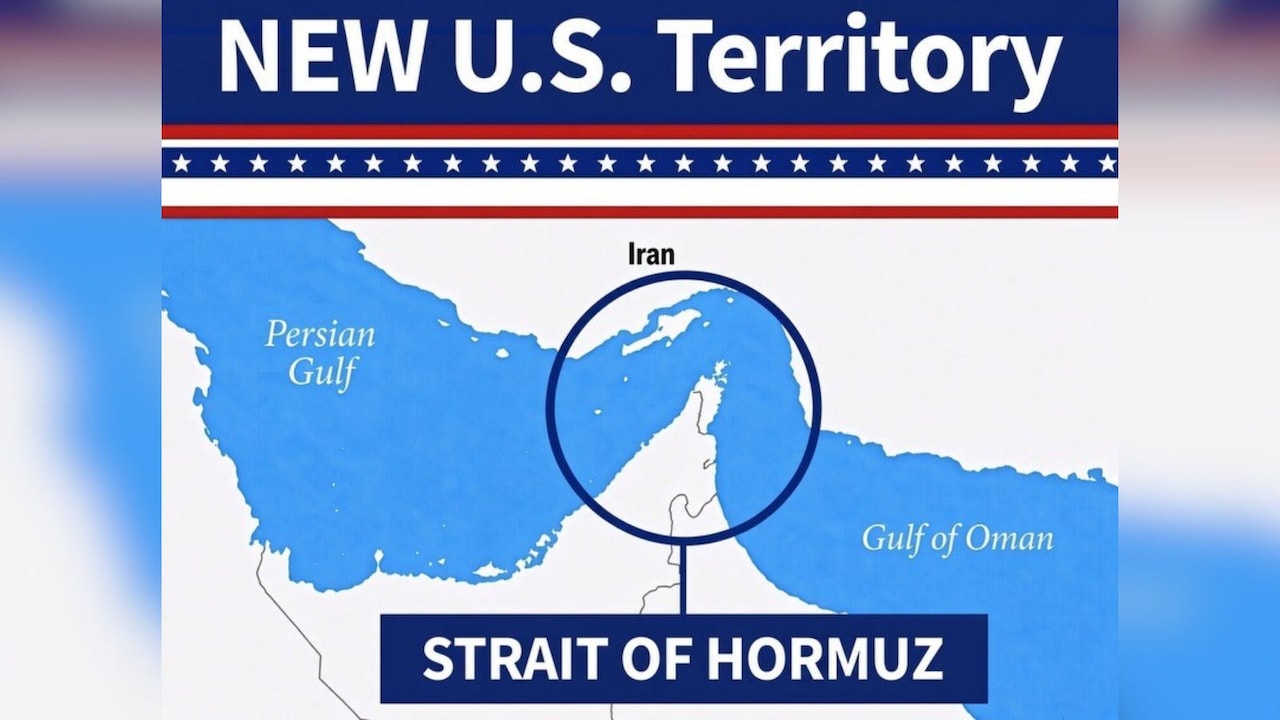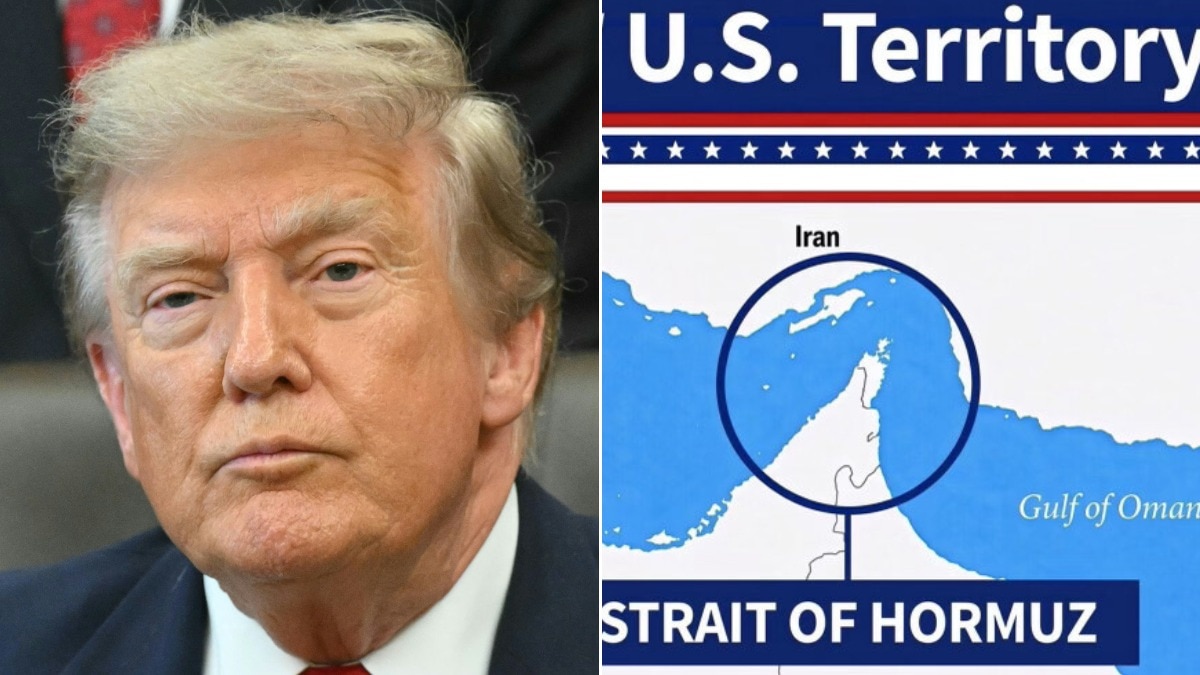
In a major geopolitical shift, Donald Trump has shared a map claiming the Strait of Hormuz is now within the US sphere of influence, potentially triggering severe new sanctions against Iran.
- Donald Trump shared a map asserting US dominance over the Strait of Hormuz.
- New, stringent economic sanctions against Iran are expected to follow.
- This move poses significant implications for global energy security and maritime trade.
In a move that has sent shockwaves through international diplomatic circles, former US President Donald Trump has shared a strategic map claiming that the Strait of Hormuz is now effectively within the American sphere of influence. As one of the world's most critical maritime chokepoints, the Strait is vital for the transit of global oil supplies, making this claim a matter of immense geopolitical significance.
The assertion comes amid rising tensions in the Middle East, with Trump signaling a potential return to a 'maximum pressure' campaign against Iran. Analysts suggest that this move is designed to curb Iran's maritime reach and its nuclear ambitions. The implications of this shift could lead to a drastic escalation in economic warfare, with new sanctions potentially targeting Iran's primary revenue streams: oil and gas exports.
Why This Matters
BozokMedia analysis shows that any shift in the control or perceived influence over the Strait of Hormuz directly impacts global crude oil volatility. If the United States intensifies its military and strategic presence in this corridor, it could trigger a direct confrontation with Iranian naval forces, destabilizing global energy markets.
The claim of US dominance over the Strait of Hormuz is not just a territorial assertion but a strategic signal to global energy markets and regional adversaries alike.
Historically, the Strait of Hormuz has been a flashpoint for conflict. Iran has frequently used the threat of closing the Strait to leverage political concessions. Trump's latest assertion suggests a proactive rather than reactive stance, aiming to secure the waterway through overwhelming strategic presence.
Historical Background
The Strait of Hormuz connects the Persian Gulf with the Gulf of Oman and the Arabian Sea. Since the mid-20th century, it has been the jugular vein of the global energy economy. The tension between the US and Iran has frequently brought this narrow waterway to the brink of conflict, making its security a cornerstone of international maritime law and energy policy.
Frequently Asked Questions
1. What is the strategic importance of the Strait of Hormuz?
It is the world's most important oil transit chokepoint, essential for global energy stability.
2. How will new sanctions affect Iran?
New sanctions could severely limit Iran's ability to export oil, crippling its economy and reducing its geopolitical leverage.