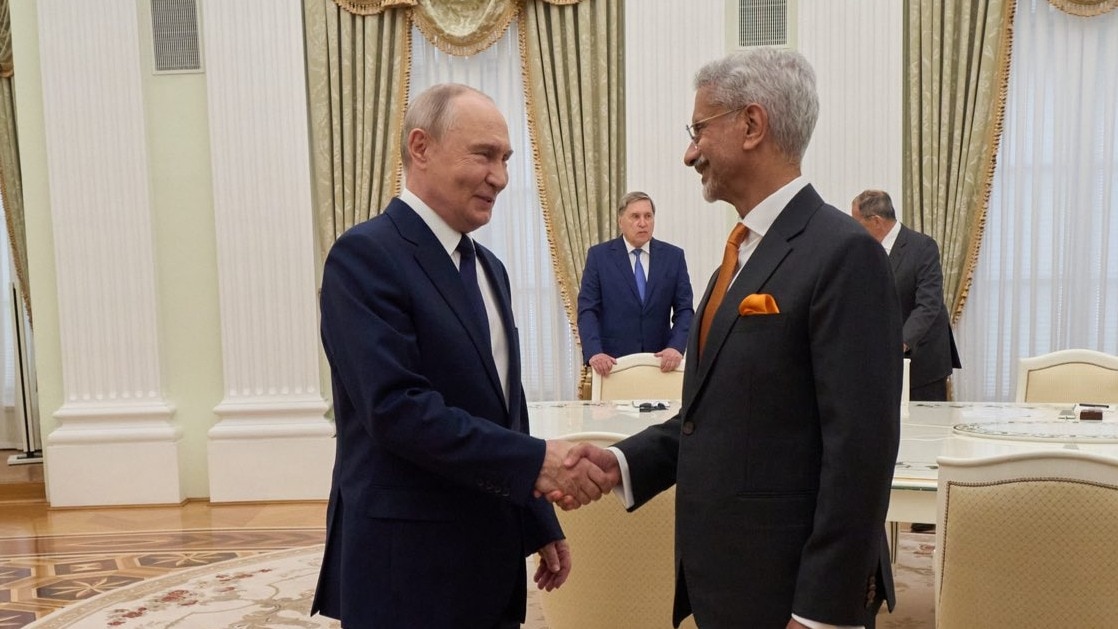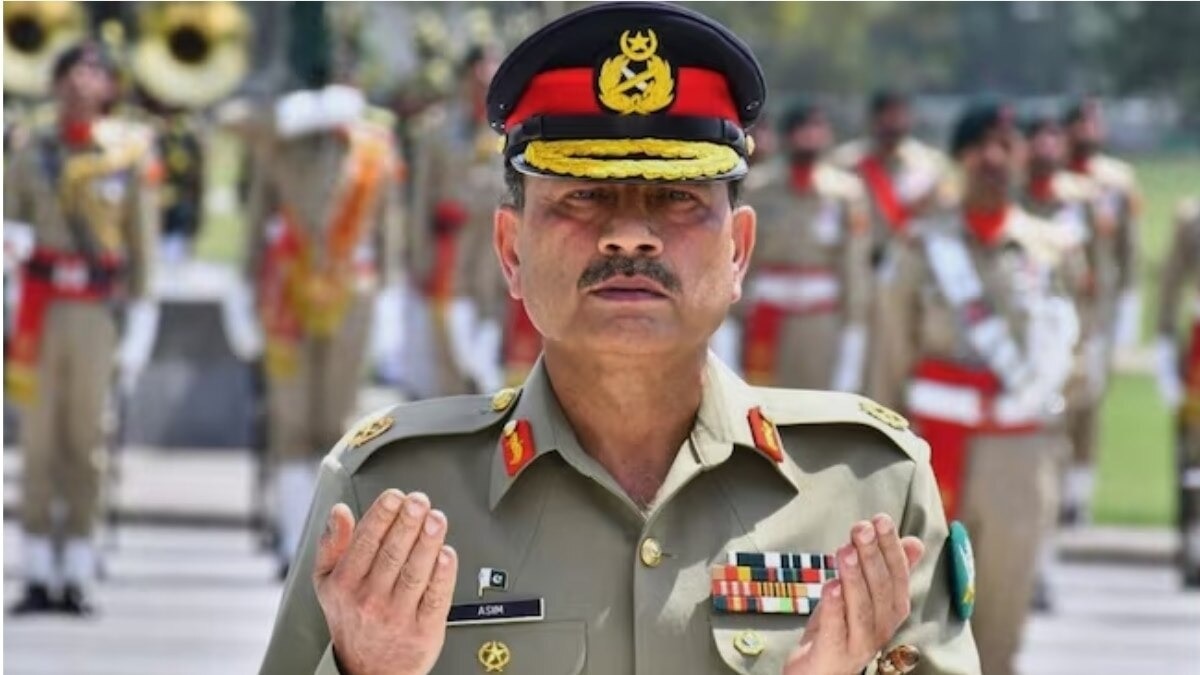
Pakistan’s army chief Field Marshal Asim Munir, accompanied by Interior Minister Mohsin Naqvi, arrived in Tehran for bilateral talks aimed at boosting regional peace and stability. The mission is widely seen as a strategic move to placate the United States while re‑engaging Iran in the Middle‑East peace process.
- Asim Munir meets Iranian officials in Tehran
- Trip framed as effort to promote regional peace and US goodwill
- Renewed “peace‑envoy” role could reshape Pakistan’s diplomatic leverage
Pakistan’s army chief and Chief of Defence Forces, Field Marshal Asim Munir, traveled to Tehran together with Interior Minister Mohsin Naqvi for high‑level discussions with President Ebrahim Raisi and Foreign Minister Amir‑Abbas Araghchi. According to a statement from the Pakistani military, the visit aims to strengthen bilateral cooperation, advance regional stability, and revive diplomatic channels that could ease US‑Iran tensions.
Iranian Foreign Ministry spokesperson Ismail Baghaei emphasized that the mission seeks to deepen bilateral ties and continue Pakistan’s efforts to promote peace and security in the region. Both sides also explored the possibility of Islamabad acting as a mediator in the lingering US‑Iran standoff over the Hormuz Strait.
Historical Background
In mid‑2024, Pakistan briefly mediated a cease‑fire between Israel and Palestine, which indirectly opened a window for US‑Iran dialogue. However, a naval skirmish in the Strait of Hormuz in April‑May 2025 reignited regional tensions, causing oil prices to surge and threatening global energy supplies. Against this backdrop, Munir’s Tehran trip is viewed as a calculated effort to expand Islamabad’s diplomatic reach, positioning Pakistan as a bridge between Washington and Tehran.
Why This Matters
BozokMedia analysis shows that Pakistan’s high‑profile diplomatic outreach, led by its top military commander, signals a shift from traditional security‑only posturing to a broader geopolitical playbook aimed at appeasing Washington while keeping Tehran engaged. If successful, this could recalibrate power balances in the Gulf, offering Islamabad a unique leverage point in future US‑Iran negotiations.
“Munir’s move is less about peace‑building and more about reshaping regional power dynamics,” says international‑relations expert Prof. Rajat Singh.
Frequently Asked Questions
Question 1: Will this visit help ease US‑Iran tensions?
Answer: It remains uncertain; experts believe that if constructive dialogue follows, there could be a de‑escalation, but the outcome depends on multiple geopolitical variables.
Question 2: What does Pakistan’s “peace‑envoy” label imply?
Answer: It suggests Islamabad is leveraging its military leadership as a diplomatic instrument, seeking greater influence on the international stage.