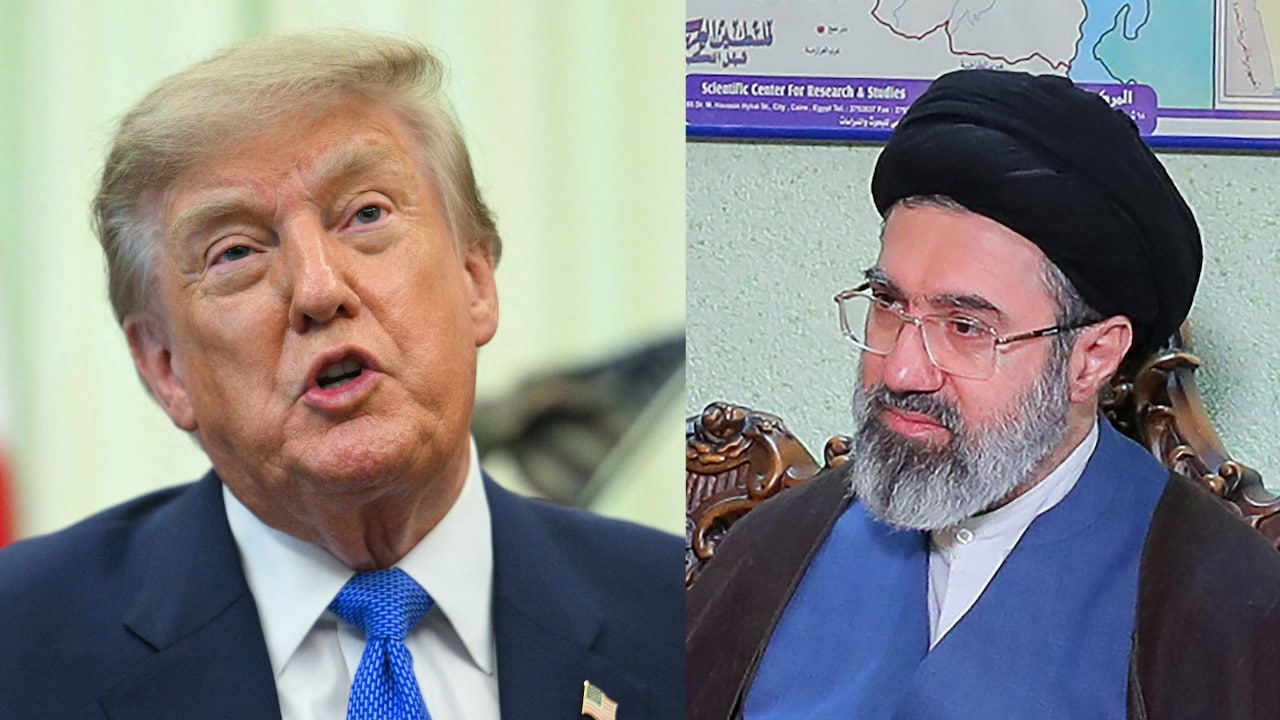
In a sharp escalation of trade tensions, Canada is poised to announce retaliatory tariffs against the US after Donald Trump warned of 'worse consequences' regarding import duties.
- Canada is preparing a retaliatory tariff package to counter US trade threats.
- Donald Trump has threatened tariffs of up to 50% on Canadian automotive imports.
- The escalation threatens thousands of jobs and disrupts the North American supply chain.
The economic relationship between the world's two closest trading partners has hit a critical low. Canada is expected to announce a series of retaliatory tariffs today, responding to aggressive rhetoric from US President Donald Trump. The tension reached a boiling point after Trump warned that failure to comply with US demands would lead to 'worse consequences' for Canadian exports.
At the heart of the conflict is the automotive sector. Reports indicate that the US administration is considering a staggering 50% tariff on all cars and trucks imported from Canada. Such a move would effectively price Canadian manufacturers out of the US market, potentially leading to massive layoffs and factory closures across Canada.
Why This Matters
BozokMedia analysis shows that this escalation represents a fundamental shift in North American diplomacy. The move toward protectionism threatens the stability of the USMCA framework. If these tariffs are implemented, the resulting price hikes will likely leak into the consumer market, fueling inflation in both nations.
"Trade wars are zero-sum games where the ultimate loser is always the end consumer."
Historically, the US and Canada have maintained a symbiotic relationship, relying on integrated supply chains for energy, minerals, and manufacturing. However, the current 'America First' trajectory is clashing with Canada's need for market access. Canada's decision to retaliate is a strategic signal that it will not remain passive in the face of economic coercion.
Industry analysts warn that if a diplomatic resolution is not reached swiftly, the conflict could expand beyond autos into agriculture and dairy, creating a wider economic contagion across the continent.
| Sector | US Threat | Canada's Likely Response |
|---|---|---|
| Automotive | Up to 50% Import Duty | Tariffs on US Steel/Aluminum |
| Employment | US Market Protection | Risk of Thousands of Job Losses |
| Strategy | Aggressive Protectionism | Reciprocal Tariffs & WTO Appeals |
Frequently Asked Questions
1. How will these tariffs affect the average consumer?
Tariffs generally lead to higher retail prices for goods, meaning consumers will likely pay more for cars and other imported products.
2. What is the goal of Canada's retaliatory tariffs?
The goal is to create enough economic pressure within the US (specifically in sectors that export to Canada) to force the US government back to the negotiating table.