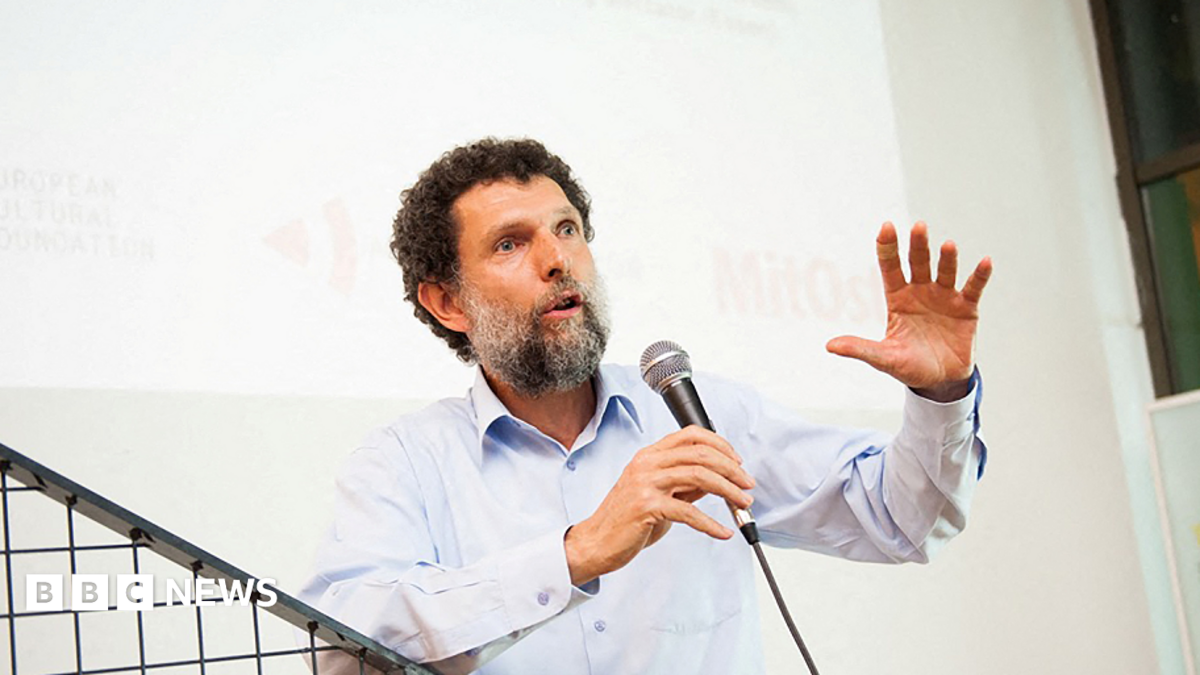
The European Court of Human Rights (ECHR) has ruled that the detention of philanthropist Osman Kavala is unlawful and has ordered his immediate release. The court highlighted systemic issues within the Turkish judiciary.
In a landmark decision, the European Court of Human Rights (ECHR) has ordered Turkey to immediately release activist and philanthropist Osman Kavala. Kavala, who has been detained for nearly a decade, was sentenced to life imprisonment in 2022 on charges related to the 2013 Gezi Park protests and a failed coup attempt in 2016.
The court's ruling was scathing, stating that the measures taken against Kavala were predominantly motivated by an "ulterior purpose." Specifically, the court found that the legal actions were designed to punish him for his role in the Gezi Park demonstrations and to silence his voice as a human rights defender. The ECHR further noted that his sentence amounted to "inhuman and degrading treatment."
Why This Matters
BozokMedia analysis shows that this ruling places the Turkish government under immense international pressure. The case is not merely about one individual but serves as a litmus test for Turkey's commitment to the rule of law and its relationship with the Council of Europe. Failure to comply could lead to severe punitive measures, including the suspension of voting rights within the Council.
The Kavala case has exposed a systemic problem in Turkey regarding the detention and prosecution of political opponents and journalists.
Since his arrest in 2017, rights groups like Amnesty International have maintained that the charges against Kavala are politically motivated. President Recep Tayyip Erdogan's administration has frequently been accused of weaponizing the judiciary to target critics and rivals, a claim the ECHR's findings seem to substantiate by pointing out "structural shortcomings" in the Turkish judiciary.
Historical Background
Osman Kavala became a global symbol of the crackdown on civil society in Turkey following the 2013 Gezi Park protests. While he was initially acquitted in February 2020, he was rearrested within hours on new charges. This pattern of legal maneuvering has led to a prolonged collision course between Ankara and Strasbourg, with Turkey having previously refused to comply with two prior rulings regarding Kavala's release.
Frequently Asked Questions
1. What were the charges against Osman Kavala?
He was accused of orchestrating anti-government protests in 2013 and participating in a failed military coup in 2016.
2. What happens if Turkey refuses to follow the ECHR ruling?
The Council of Europe can take punitive actions, which may include freezing Turkey's membership or suspending its voting rights.