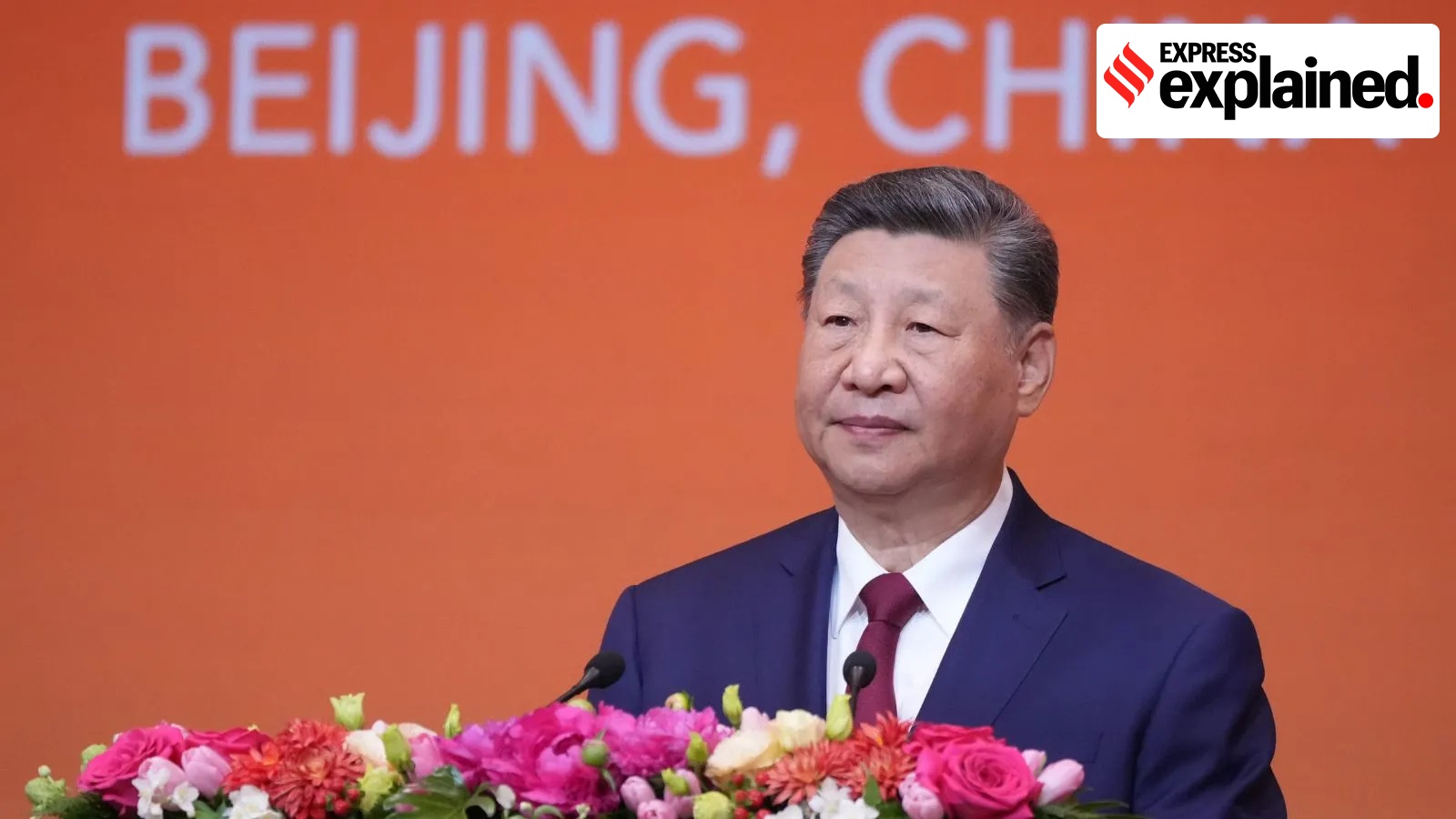
As the BRICS summit approaches in New Delhi, the ambiguity surrounding President Xi Jinping's attendance is creating diplomatic tension. Experts weigh in on whether China's silence is a tactical maneuver.
- Official confirmation of President Xi Jinping's attendance at the New Delhi BRICS summit is still pending.
- Tensions have risen following India's standardization of place names in Arunachal Pradesh.
- Analysts suggest China may be using strategic ambiguity to gain leverage in bilateral negotiations.
- Xi has previously skipped major summits in India and Brazil to avoid being overshadowed.
The diplomatic corridors are buzzing with speculation as the 18th edition of the BRICS summit approaches New Delhi this September. While reports from Reuters suggest that President Xi Jinping might visit India for the first time in seven years, the Chinese government has maintained a calculated silence. This lack of confirmation has left New Delhi in a state of strategic suspense.
The tension is not merely about scheduling. Recent moves by the Indian government to standardize 27 names in Arunachal Pradesh have triggered sharp reactions from Beijing. Chinese strategic thinkers, including Liu Zongyi of the Shanghai Institute for International Studies, have interpreted India's actions as an entrenched territorial stance, despite recent efforts to thaw bilateral ties.
Why This Matters
BozokMedia analysis shows that the decision regarding Xi's attendance is deeply intertwined with China's broader geopolitical strategy. Whether he attends or not, the signal sent to the global community regarding the stability of the BRICS+ grouping and the Sino-Indian relationship will be profound.
The suspense surrounding Xi's decision may be a tactical attempt to see if New Delhi moves in a more favorable direction on investment and sensitive border issues.
Looking back, there is a pattern of absence. Xi Jinping notably skipped the 2023 G20 summit in New Delhi and the 2025 BRICS summit in Brazil. Analysts have suggested these absences were not just due to scheduling, but were also influenced by the rising global stature of Prime Minister Narendra Modi. There is a perceived risk for Beijing that Xi might be overshadowed by other world leaders during high-profile summits hosted by India.
Furthermore, the issue of the Line of Actual Control (LAC) remains a significant hurdle. Previous instances of China renaming locations near the border led to intense military exercises by India, highlighting the fragile nature of the current 'reset' in relations. Experts like Derek Grossman suggest that China is looking for assurances that India's normalization efforts aren't just a tactical distraction while strengthening military ties with Washington.
Frequently Asked Questions
1. Why is China silent about the BRICS summit?
Experts believe the silence is tactical, aimed at creating leverage regarding investment, visas, and territorial disputes.
2. How has the Arunachal Pradesh issue affected ties?
India's standardization of names in Arunachal has been viewed by China as political posturing, complicating diplomatic normalization.