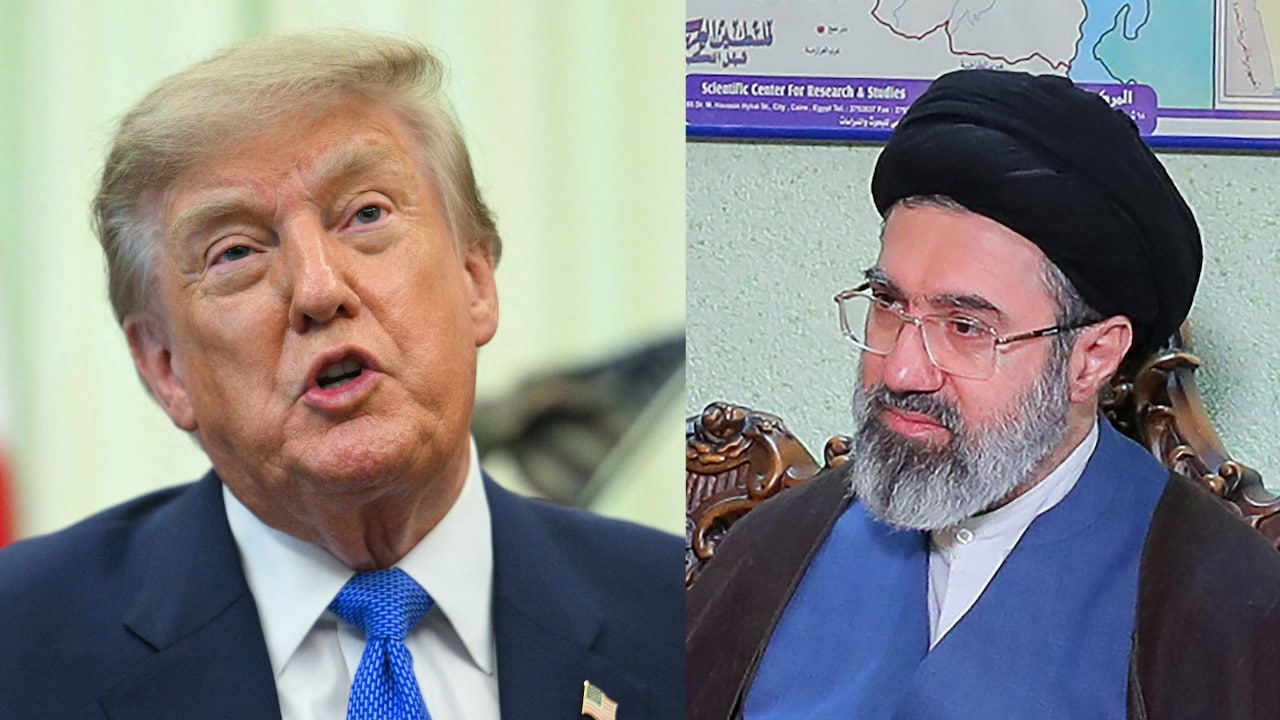
A major geopolitical realignment is underway in West Asia as Iran receives an invitation to join the Mecca Defense Pact, while the US intensifies economic warfare against Tehran, placing India in a strategic dilemma.
- Iran has been invited to join the Mecca Defense Pact alongside Saudi Arabia, Pakistan, and Turkey.
- US Treasury Secretary Scott Bessent has launched a targeted economic offensive against Iran's banking and energy sectors.
- Tehran has threatened to restrict maritime traffic in the critical Strait of Hormuz in retaliation.
The geopolitical landscape of West Asia is witnessing a seismic shift. Reports indicate that Iran may have received a formal invitation to join the Mecca Defense Pact. This alliance, comprising Saudi Arabia, Pakistan, and Turkey, operates on a mutual defense principle reminiscent of NATO's Article 5. Such a move would signal a surprising rapprochement between long-time rivals and create a powerful regional bloc.
However, this diplomatic opening is contrasted by escalating tensions with Washington. US Treasury Secretary Scott Bessent has announced a stringent economic initiative designed to cripple Iran's energy, banking, and trade networks. The impact has been immediate, with the Iranian currency plummeting to record lows, further destabilizing the domestic economy in Tehran.
Why This Matters
BozokMedia analysis shows that the convergence of a new regional defense pact and aggressive US sanctions creates a high-risk environment. Any disruption in the Strait of Hormuz—a vital artery for global oil—could trigger a worldwide energy crisis and spike inflation across emerging economies.
“The interplay between regional security pacts and extraterritorial economic sanctions is pushing West Asia toward a volatile equilibrium where one misstep could lead to systemic conflict.”
For India, the situation requires a masterclass in strategic autonomy. New Delhi maintains critical interests in Iran, most notably the Chabahar port project, which serves as India's gateway to Central Asia. Balancing these ties while maintaining a robust strategic partnership with the US—and managing deep energy and defense dependencies on Russia—presents a complex diplomatic challenge.
Historically, the rivalry between Saudi Arabia and Iran has fueled proxy wars, most notably in Yemen. The potential inclusion of Iran in a defense pact with Saudi Arabia could either neutralize these tensions or create a new axis of power that explicitly challenges Western hegemony in the Middle East.
Strategic Approach: India vs. USA
| Factor | India's Approach | USA's Approach |
|---|---|---|
| Relations with Iran | Strategic & Trade-focused (Chabahar) | Sanctions-driven & Adversarial |
| Relations with Russia | Energy and Defense Reliance | Strict Sanctions and Opposition |
| Regional Goal | Stability and Connectivity | Influence and Control |
Frequently Asked Questions
Q1: What is the Mecca Defense Pact?
It is a mutual defense agreement between Saudi Arabia, Pakistan, and Turkey, based on the principle that an attack on one member is an attack on all.
Q2: Why is the Chabahar port significant for India?
It allows India to bypass Pakistan to trade with Afghanistan and the landlocked nations of Central Asia.