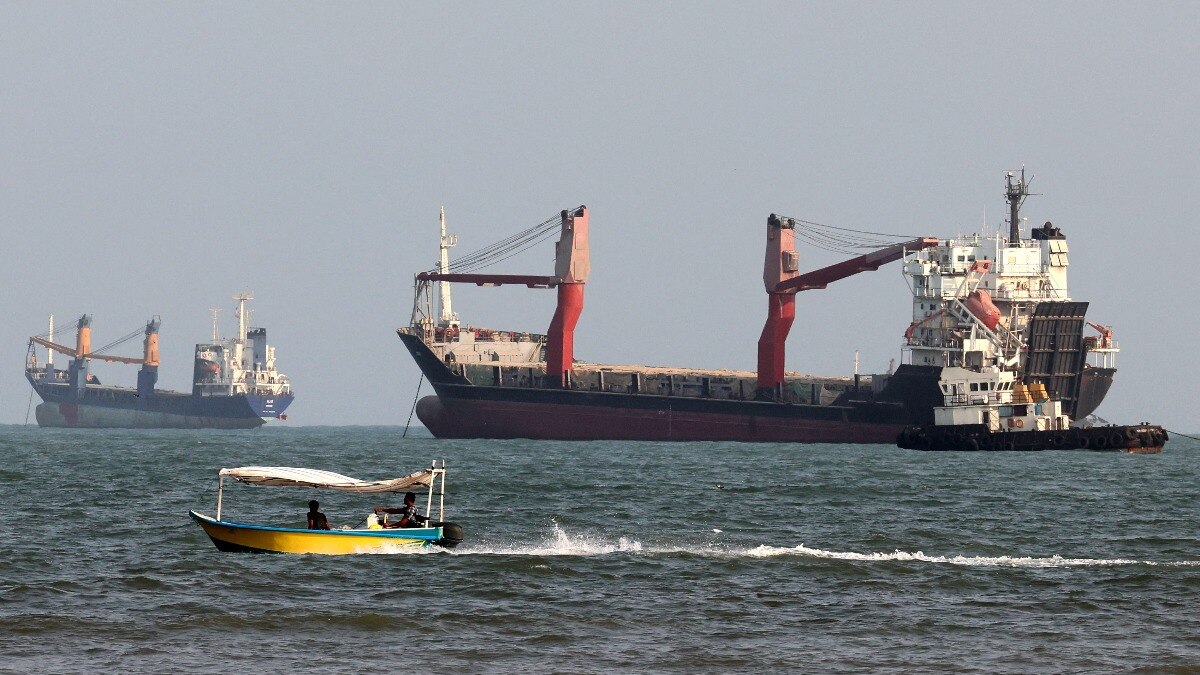
Iran's National Security and Foreign Policy Committee has approved a plan to charge ships passing through the Strait of Hormuz for navigation, security and other services. Payments can be made in Iranian rial or any chosen currency, potentially raising costs for global shipping.
- Iran has approved a toll plaza for the Strait of Hormuz.
- Ships will be charged for navigation, security and related services.
- Payments can be made in Iranian rial or any other accepted currency.
New Delhi, August 25, 2026 – Iran’s parliamentary National Security and Foreign Policy Committee has moved forward with a plan to levy fees on vessels transiting the Strait of Hormuz, citing the provision of navigation, environmental, insurance and security services. The measure is seen as a response to mounting economic pressure and a way to generate hard currency.
The proposed fees cover a range of services, including navigation assistance, environmental monitoring, insurance, and security escorts. In exceptional cases, fuel and additional support services may also be billed. Iran has announced that payments can be made in the local rial or any other currency it designates, a direct challenge to the dominance of the US dollar.
Under the United Nations Convention on the Law of the Sea (UNCLOS), Iran cannot block or impede the free passage of ships, but it may charge for specific services rendered. Tehran is invoking this provision to justify the toll, though legal experts warn that the broader application could spark international disputes.
Economically, the move comes as US sanctions have pushed the Iranian rial to historic lows, creating an urgent need for foreign exchange. By monetising a strategic maritime chokepoint, Tehran hopes to bolster its depleted coffers.
Regional reactions are mixed. While some neighboring states may reluctantly comply to avoid further sanctions, others are likely to seek alternative routes. The United States has warned that any unilateral fee could trigger additional punitive measures.
If implemented, the toll could raise operating costs for the world’s shipping fleet, influencing oil prices and potentially reshaping trade routes across the Persian Gulf. Companies will need to factor the new expense into logistics planning, and geopolitical tensions may rise.
Historical Background
The Strait of Hormuz is one of the world’s most critical maritime corridors, with roughly 20 million barrels of oil passing through daily. Historically, the waterway has been a flashpoint for regional conflicts, but no formal toll system has existed. Iran’s latest initiative marks a shift toward monetising its strategic position.
Why This Matters
BozokMedia analysis shows that Iran's toll plaza could reshape shipping economics in the Persian Gulf, forcing global traders to reassess route costs and potentially prompting alternative pathways or diplomatic negotiations.
International law specialist Dr. Ali Rajavi states, "UNCLOS does allow limited service fees, but exploiting this to impose a broad toll could exacerbate international disputes and set a risky precedent."
Frequently Asked Questions
Q1: Can Iran legally impose a toll on passing ships?
A: While UNCLOS permits fees for specific services, a blanket toll may face legal challenges and diplomatic pushback.
Q2: How might this affect global shipping?
A: Additional costs could drive carriers to explore alternative routes, potentially influencing global oil prices and supply chains.