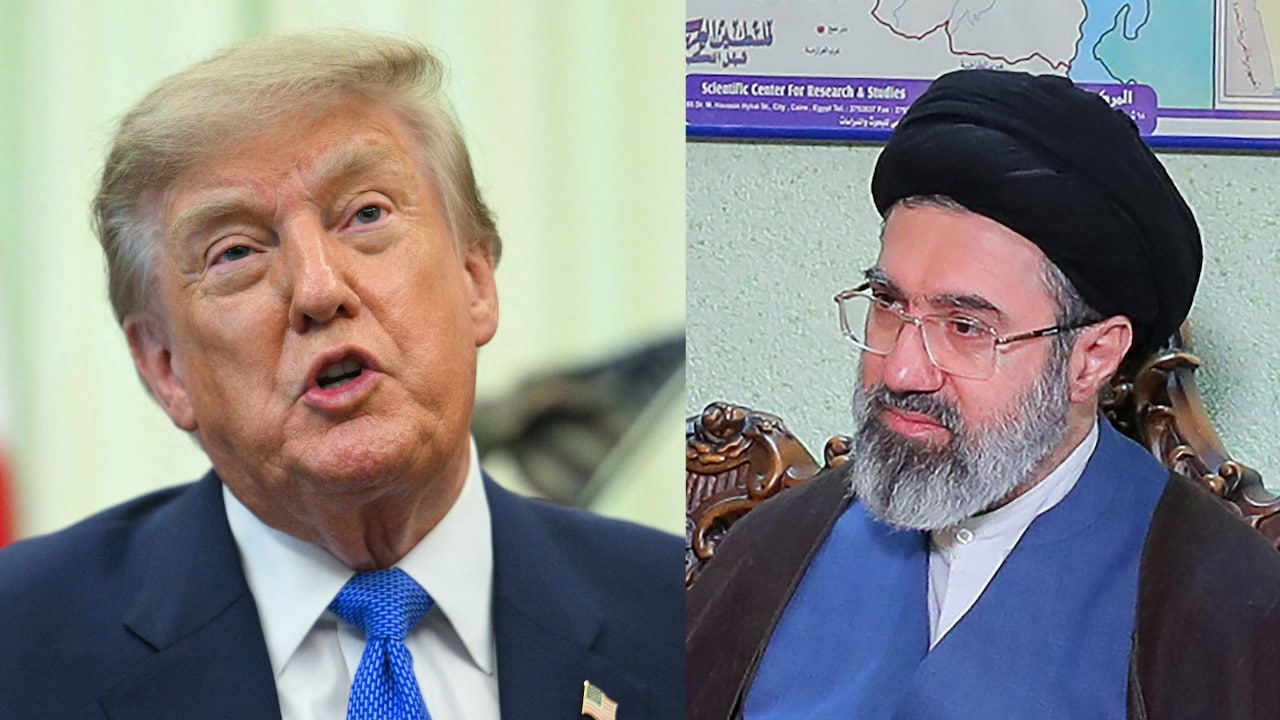
The U.S. Treasury has imposed sanctions on 60 Iranian entities and individuals, prompting Tehran to threaten military responses and attacks on energy chokepoints. While China remains a critical variable, the geopolitical tension in the Gulf reaches a boiling point.
- U.S. Treasury Secretary Scott Bessent announced sanctions on 60 individuals, entities, and vessels.
- Iran has threatened military retaliation and disruptions to energy chokepoints like the Strait of Hormuz.
- Chinese financial institutions were notably excluded from the current list to avoid global financial instability.
- Pakistan is attempting a mediation role with Army Chief Asim Munir visiting Tehran.
In a significant escalation of economic warfare, U.S. Treasury Secretary Scott Bessent has unveiled a sweeping new package of sanctions targeting 60 individuals, entities, and vessels linked to Iran. The Washington administration asserts that these measures are designed to sever Iran's remaining economic lifelines, aiming to cripple the regime's ability to fund its regional activities and nuclear ambitions.
Tehran has responded with fierce defiance. Iranian Economy Minister Ali Madanizadeh characterized the move as an "economic terrorist attack," asserting that Iran is no longer merely playing a defensive game. The rhetoric has shifted from economic resilience to active threats, with the Islamic Revolutionary Guard Corps (IRGC) warning of "heavy blows" to vital U.S. interests and critical energy transit routes if Iranian infrastructure is targeted.
Why This Matters
BozokMedia analysis shows that this is not merely a bilateral dispute but a high-stakes game of global financial leverage. By threatening to exclude trading partners from the dollar-based financial system, the U.S. is testing the loyalty of Iran's remaining allies. However, the strategic omission of Chinese banks suggests that Washington is walking a tightrope, fearing that a total financial rupture with Beijing could trigger a global economic collapse or retaliatory curbs on critical minerals.
"The U.S. is attempting to weaponize the dollar to achieve what military strikes could not: the total capitulation of the Iranian leadership."
The regional dynamics are further complicated by the involvement of Pakistan. Army Chief Asim Munir's recent visit to Iranian President Masoud Pezeshkian suggests a desperate attempt at diplomatic mediation. This follows direct communication between General Munir and President Donald Trump, indicating that third-party intermediaries are being utilized to prevent a full-scale regional war.
Historically, Iran has endured decades of sanctions, which have battered its GDP but failed to displace its political structure. The current conflict follows a period of intense volatility, including strikes by the U.S. and Israel that degraded Iran's conventional military but left its drone and missile capabilities largely intact. The uncertainty surrounding Iran's nuclear program continues to be the primary driver for U.S. aggression.
| Entity | U.S. Strategy | Iran's Response |
|---|---|---|
| Financials | Dollar-system exclusion | Alternative trade routes |
| Military | Targeted strikes/Blockades | Drone/Missile threats |
| Diplomacy | Maximum Pressure | Regional Alliances (Russia/China) |
Frequently Asked Questions
Why didn't the U.S. sanction Chinese banks?
The U.S. Treasury is wary of destabilizing the global financial system and wants to avoid provocative measures before high-level talks between President Trump and President Xi Jinping.
What is the 'economic lifeline' the U.S. is targeting?
It refers primarily to Iran's ability to export oil and access international banking to receive payments for those exports.