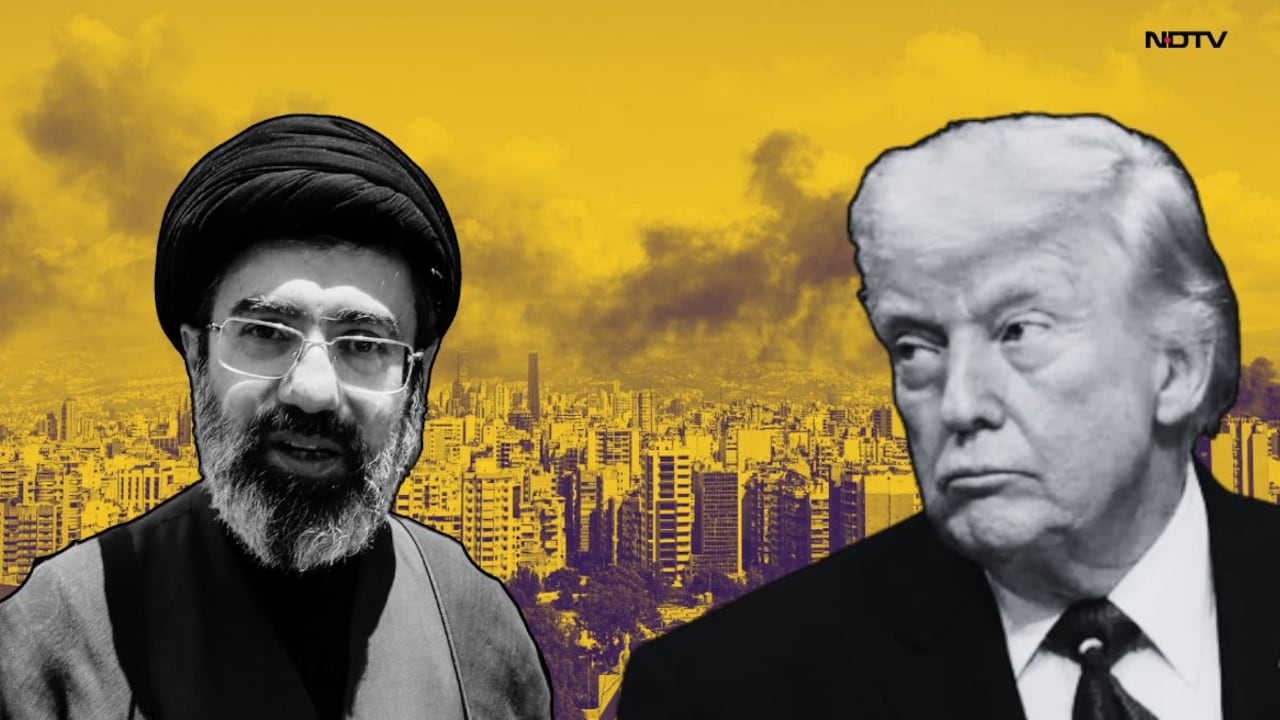
As Donald Trump warns of a looming 'Economic D-Day,' Iran's primary trading partners, including China and India, face potential collisions with US economic policies.
- Donald Trump has signaled a potential 'Economic D-Day' regarding Iran.
- China remains Iran's most significant economic lifeline and largest trading partner.
- Major economies like India and China could face diplomatic friction with the US due to trade ties with Tehran.
The geopolitical landscape is bracing for significant shifts following Donald Trump's recent warnings of an impending 'Economic D-Day.' While the specific enforcement mechanisms of the proposed US measures remain somewhat ambiguous, the implications are crystal clear: Tehran's primary economic allies are now in the crosshairs.
The threat poses a direct challenge to the existing trade architectures of nations like China and India. As these countries maintain vital economic exchanges with Iran, they may find themselves on a collision course with the United States' aggressive sanctions regime.
Why This Matters
BozokMedia analysis shows that the intersection of US sanctions and Iranian trade is not merely a regional issue but a global economic trigger. Any significant disruption in Iran's trade capacity—especially through its largest partner, China—could lead to volatility in global energy markets and reshape the strategic alignments of the Indo-Pacific region.
Economic warfare is becoming the primary tool of modern diplomacy, placing neutral trade partners in impossible positions.
China's role is particularly pivotal. As Iran's largest trading partner, Beijing acts as a massive economic buffer. However, the pressure from Washington to decouple from Iranian-linked financial flows could force China to make difficult strategic choices between its energy security and its relationship with the US.
Historical Background
The history of US-Iran relations has been defined by cycles of intense sanctions and diplomatic brinkmanship. For decades, the US has utilized economic leverage to curb Iran's regional influence and nuclear ambitions. This has historically led to the strengthening of the 'Look East' policy by Tehran, deepening its ties with Asian powers to mitigate Western pressure.
Frequently Asked Questions
1. How will India be affected by these potential sanctions?
India may face pressure to limit its energy imports from Iran to avoid secondary sanctions from the US, affecting its domestic energy security and trade balance.
2. Why is China so critical to Iran's economy?
China's massive industrial demand for oil provides Iran with a consistent and large-scale revenue stream that is vital for its economic survival.