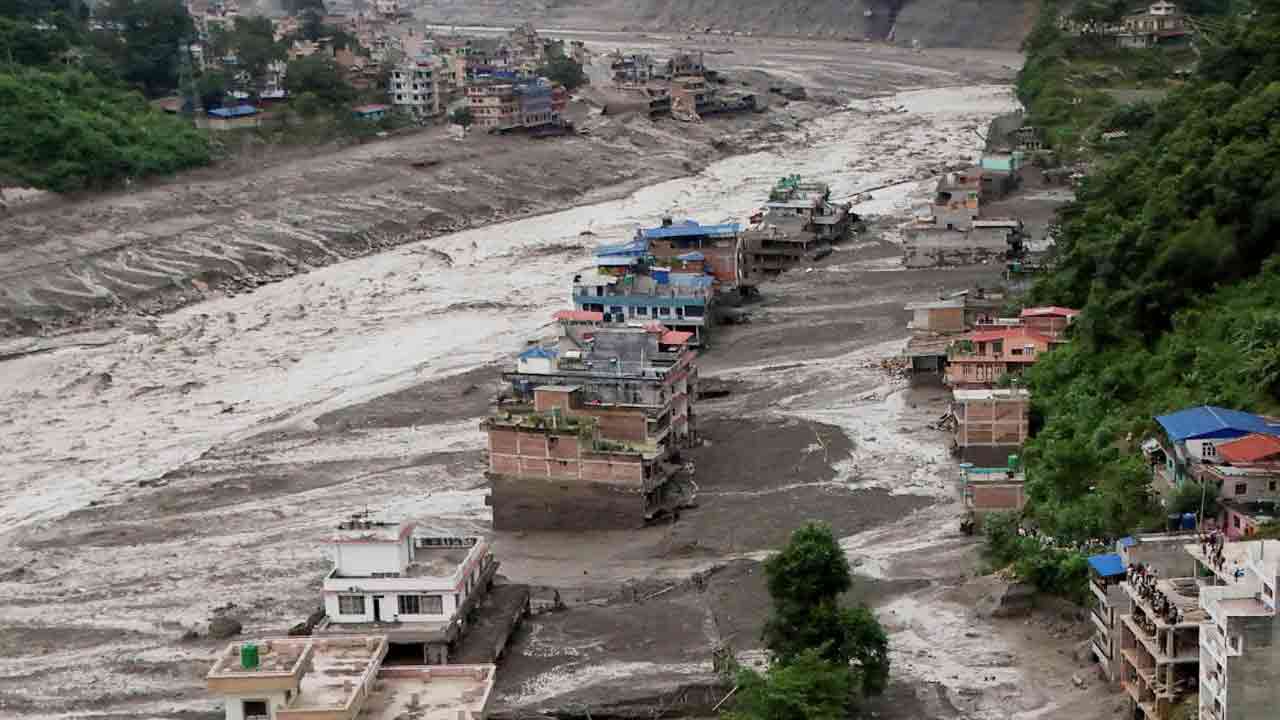
Following devastating flash floods in Nepal, the Ministry of Home Affairs has placed NDRF and local authorities on high alert in Bihar and Uttar Pradesh. Home Minister Amit Shah has reviewed preparedness with state CMs.
- The Government of India is closely monitoring flash flood developments in Nepal.
- Union Home Minister Amit Shah held discussions with CMs of Bihar and UP regarding preparedness.
- Water levels in Nepal's reservoirs are reportedly receding, reducing immediate panic.
- NDRF and local rescue teams are on high alert in vulnerable border districts.
The Ministry of Home Affairs (MHA) has announced that the Government of India is maintaining a vigilant watch over the evolving flood situation in Nepal. Amid reports of massive devastation caused by flash floods, concerns have risen regarding the impact on India's border states, specifically Bihar and Uttar Pradesh. The Centre has assured the public that there is no immediate cause for panic as water levels in several reservoirs are beginning to recede.
Union Home Minister Amit Shah expressed his deep condolences to the families affected by the tragedy in Nepal. In a statement on X, he emphasized that the Government of India stands in solidarity with Nepal during this crisis. To ensure rapid response, Mr. Shah has proactively communicated with the Chief Ministers of Bihar and Uttar Pradesh to review emergency preparedness and the readiness of local administrations.
Why This Matters
BozokMedia analysis shows that the interconnected nature of the Himalayan river systems means that environmental disasters in Nepal have direct transboundary implications for India. The potential for a Glacial Lake Outburst Flood (GLOF) creates a cascading risk that requires synchronized interstate and international monitoring.
The sudden rise in the Trishuli river levels highlights the growing threat of GLOF events in the Himalayan region, necessitating heightened vigilance across the Indo-Nepal border.
According to the Central Water Commission (CWC), a sudden surge was reported in the Trishuli river at Furke Khola, located approximately 160 kilometers from the Indian border. Experts suspect this was triggered by a flash flood or a potential Glacial Lake Outburst Flood (GLOF) near the Nepal-China border. There are concerns that these waters could flow downstream through the Gandak river system into India.
In response, the National Disaster Response Force (NDRF) and local rescue agencies have been placed on high alert in sensitive districts. The Ministry of External Affairs (MEA) and the Indian Embassy in Kathmandu have also issued emergency helpline numbers to assist Indian nationals currently in Nepal.
Frequently Asked Questions
1. Are the Indian states of Bihar and UP safe from the Nepal floods?
Authorities are monitoring the situation closely and have placed rescue teams on high alert, but current reports suggest water levels are receding.
2. What can Indian citizens in Nepal do if they need help?
Indian nationals can contact the Embassy helplines at +977 985 131 6807 or +977 970 910 7500.