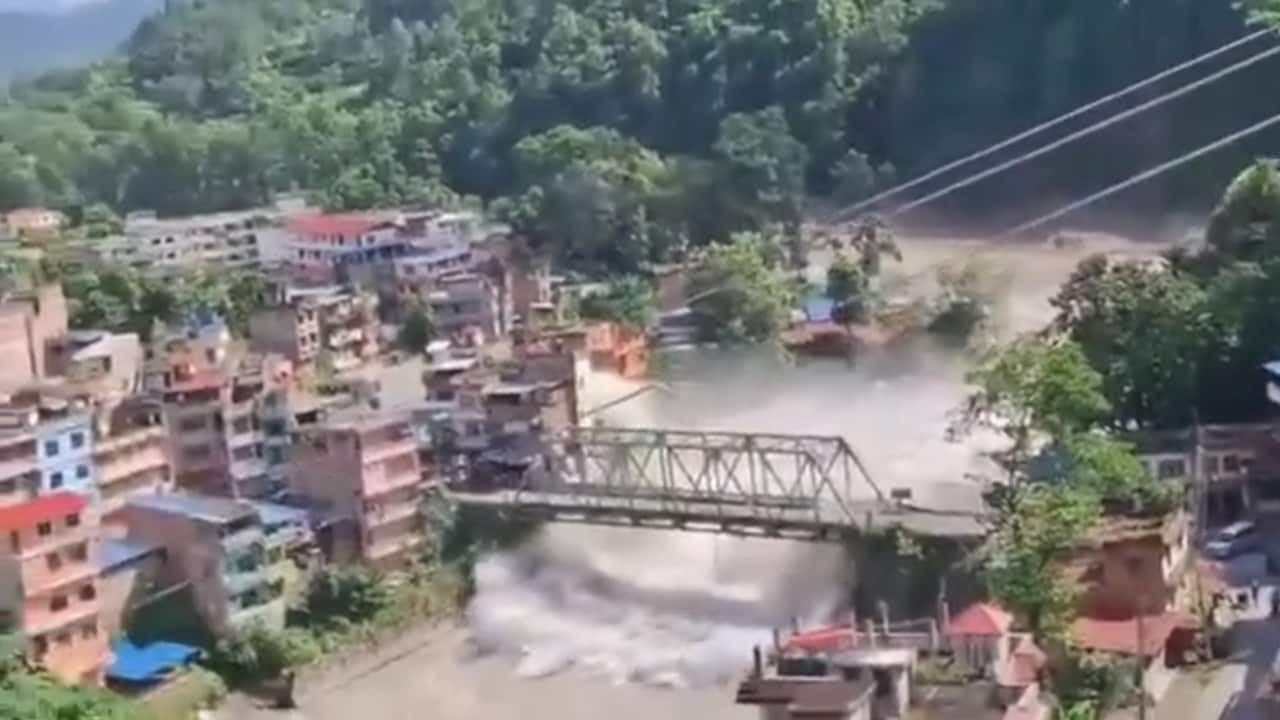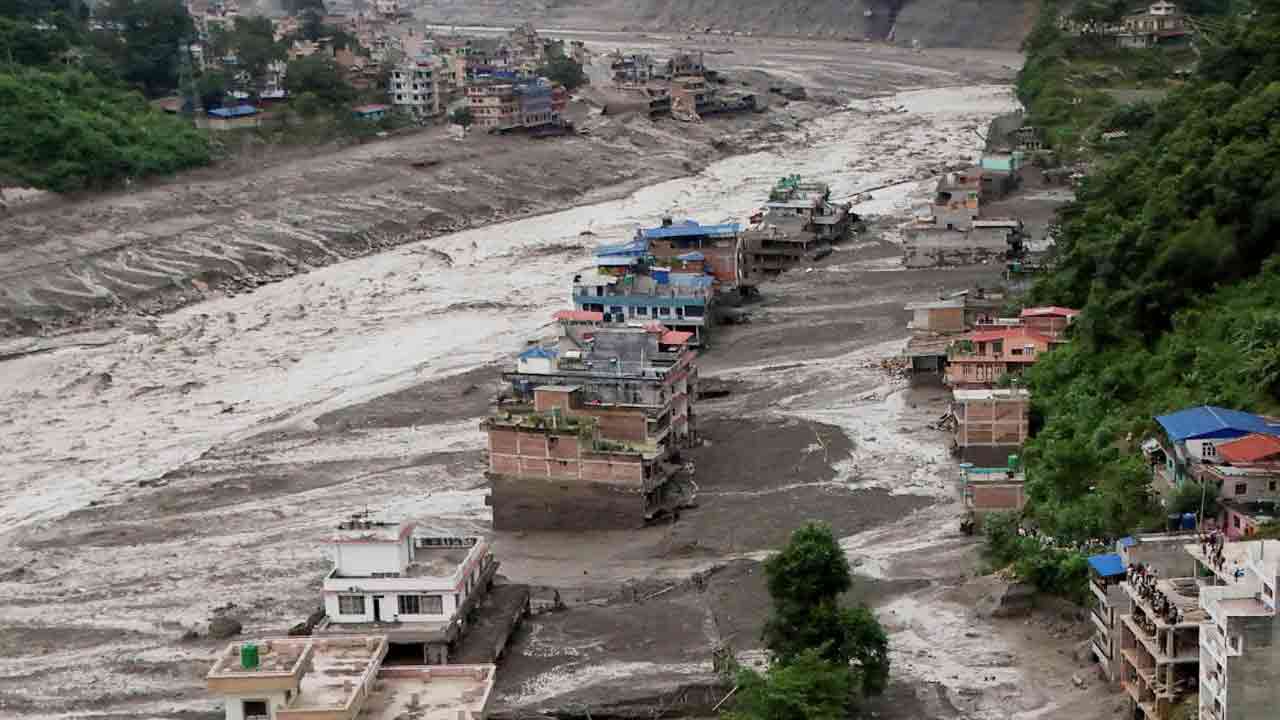
A group of 32 pilgrims from Kolkata, including two tour guides, has gone missing following devastating flash floods in Nepal while attempting to cross the Tibet border for Manasarovar Yatra.
- 30 tourists and 2 travel agency staff from Kolkata are currently missing.
- The group was at the Nepal-Tibet immigration point when contact was lost.
- Nepal reports 72 confirmed deaths, with hundreds of tourists missing.
- Indian Prime Minister Narendra Modi has assured Nepal of full support.
A devastating natural disaster has struck Nepal, leaving 32 pilgrims from Kolkata missing. The group, consisting of 30 tourists and two travel agency employees, was on a pilgrimage to Manasarovar. They were scheduled to cross the Nepal-Tibet border on Wednesday morning when communication was abruptly severed following massive flash floods.
According to Dibyajyoti Basu of the travel agency, the group was in Kathmandu on Tuesday and had been sending photos and videos. At approximately 8:30 AM on Wednesday, while at the immigration office, all contact with the group ceased. Among the missing is an Indian national who had traveled from the United States specifically for this pilgrimage.
Why This Matters
BozokMedia analysis shows that the scale of this disaster in the Rasuwa district poses an unprecedented challenge for search and rescue operations. The loss of a significant number of Indian nationals creates an urgent humanitarian situation that requires coordinated bilateral efforts between the Indian and Nepalese governments to ensure swift rescue and identification.
The rapid onset of these flash floods has turned a routine border crossing into a high-stakes rescue mission.
The flash floods, triggered by the sudden surge in the Koshi River, have caused widespread destruction. According to the Nepal Tourism Board, at least 384 tourists are missing, including 291 foreign nationals. Preliminary reports suggest that 142 of the missing could be Indian citizens. Satellite imagery reveals that entire villages have been buried under layers of mud and debris.
Historical Background: The Himalayan region is highly susceptible to flash floods due to its steep terrain and unpredictable monsoon patterns. Over the last decade, increasing glacial melt and extreme weather events have heightened the risk for pilgrims traveling through high-altitude corridors like the Nepal-Tibet border.
Frequently Asked Questions
1. What is the current status of the rescue operation?
Rescue teams and helicopters have been deployed, though extreme weather and mudslides are making landings difficult. The Indian government has put the Air Force on standby.
2. How can families contact the authorities for information?
Families can contact the Indian Embassy in Nepal or use the helpline numbers provided by the West Bengal government and Kolkata Police.